

Vending Machine Operators
Vending machine operators place, stock, service and collect revenue from machines located in offices, factories, schools and other host sites. Specialists turn new location requests and sales data into placement agreements and restock routes, convert machine readings into precise inventory orders, schedule preventive maintenance and health inspections, calculate commissions for location hosts, and adjust product mixes for seasonal demand shifts. Machine placement contracts, health permits, cash handling procedures, temperature logs, sanitation records and final approvals for spending, signing or filing remain with the operator.
What makes this business different
- Machines installed in third-party host locations under placement agreements that specify commission percentages, power access, service frequency and responsibilities
- Restock routes optimized by geographic clusters, machine type, sales velocity and host business hours to prevent stockouts while minimizing travel
- Perishable and non-perishable inventory managed with expiration tracking, par levels, rotation and just-in-time ordering from multiple suppliers
- Cash, coin and electronic payments collected, counted, reconciled and deposited on each service visit
- Health department temperature logs, sanitation records, vending permits and jurisdiction-specific requirements that must be maintained for every machine
- Seasonal demand fluctuations such as increased cold beverage sales in summer or snack volume during school sessions
- Preventive maintenance schedules for refrigeration units, coin mechanisms, card readers and vending components to reduce downtime
Specialist bots

Location Intake Coordinator
Convert host inquiries into drafted placement agreements and initial machine stocking plans.
Works in: Ambitious Docs, Contract Analyzer, Ambitious Tasks · Workflows: New location intake and contracting
Automates
- Reads incoming inquiries and extracts location details, power availability and traffic estimates
- Drafts placement agreements using standard commission and service terms
- Evaluates new locations against current route density and machine inventory
- Creates the initial product mix and stocking plan task
Stops for a person
- The operator reviews, negotiates and signs every placement agreement
- The operator personally confirms commission rates and terms with each host
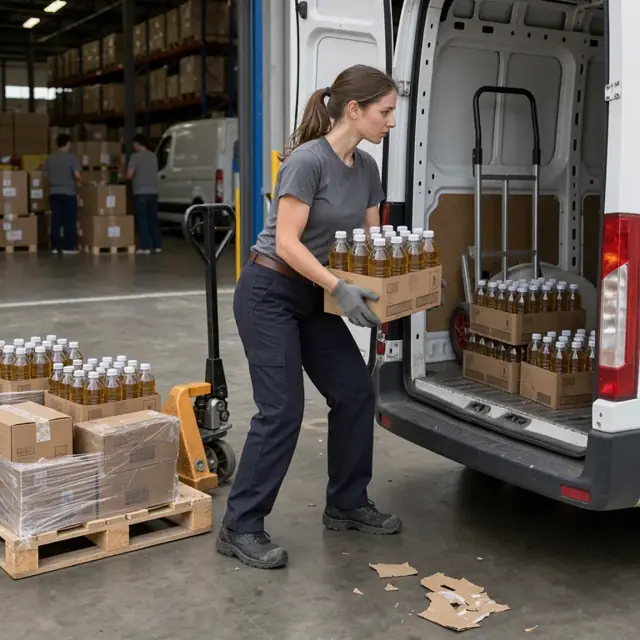
Route and Restock Dispatcher
Build efficient daily restock routes from sales data and alerts while respecting host operating hours.
Works in: Ambitious Tasks, Ambitious Sheets, Process Optimizer · Workflows: Restock route planning and execution
Automates
- Pulls real-time sales velocity, current inventory and low-stock alerts
- Groups machines into geographic clusters and optimal daily sequences
- Creates detailed truck load sheets with exact product quantities
- Sequences stops to avoid peak business hours at each host site
Stops for a person
- The driver adjusts the route in real time for traffic, weather or host requests
- The operator approves any permanent changes to service frequency or route structure
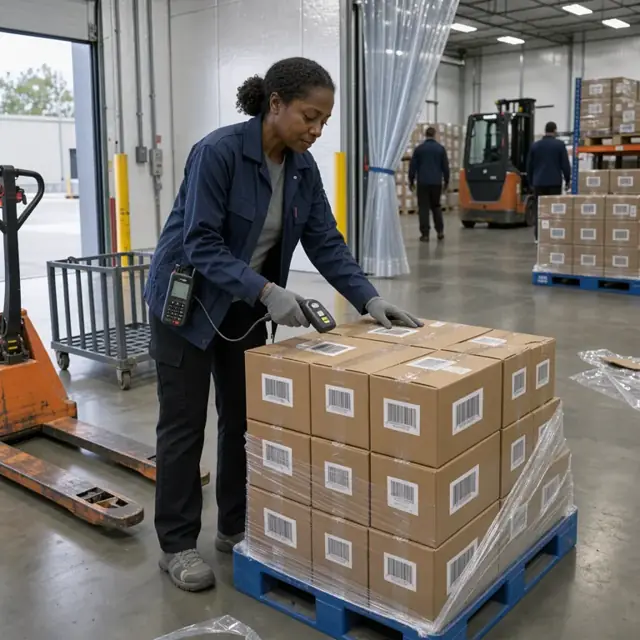
Inventory and Purchasing Manager
Convert restock usage data into supplier purchase orders while maintaining correct par levels and expiration controls.
Works in: Ambitious Sheets, Ambitious Tasks · Workflows: Inventory purchasing and par management
Automates
- Calculates total product consumption across the entire machine fleet
- Subtracts current warehouse stock and factors in seasonal forecasts
- Drafts categorized purchase orders by supplier
- Tracks expiration dates and recommends stock rotation
Stops for a person
- The operator places and pays for all supplier orders
- The operator approves any product substitutions or changes to par levels

Machine Maintenance Coordinator
Schedule preventive maintenance and repairs alongside restock routes to minimize downtime.
Works in: Ambitious Tasks, Ambitious Sheets, Process Optimizer · Workflows: Preventive maintenance and repair scheduling
Automates
- Generates model-specific maintenance checklists
- Aligns technician visits with existing restock routes
- Logs temperature, mechanical and electronic component status
- Maintains permanent repair and service history for each machine
Stops for a person
- Certified technicians perform all refrigeration and electrical repairs
- The operator decides when a machine should be repaired, upgraded or removed from service

Cash and Revenue Clerk
Reconcile collected cash and electronic payments with machine sales data and calculate host commissions.
Works in: Ambitious Sheets, Ambitious Tasks, Ambitious Docs · Workflows: Cash collection and revenue reconciliation
Automates
- Matches physical cash, coin and card totals to machine-reported sales
- Calculates commission owed to each host per the placement agreement
- Prepares deposit records and commission statements
- Flags variances between collected funds and system data
Stops for a person
- The operator verifies all cash counts and makes bank deposits
- The operator reviews and approves every commission payment before issuance

Permit and Compliance Clerk
Maintain current permits, sanitation logs, temperature records and inspection documentation for every machine.
Works in: Ambitious Tasks, Ambitious Docs, Ambitious Sheets · Workflows: Permit, inspection and sanitation tracking
Automates
- Generates sanitation and temperature log checklists for each service visit
- Tracks renewal dates for permits, licenses and insurance policies
- Compiles required records for health department inspections
- Sends advance alerts before any compliance deadline
Stops for a person
- The operator confirms which local health and vending rules apply to each machine
- Technicians and the operator perform and sign off on all sanitation and health inspections
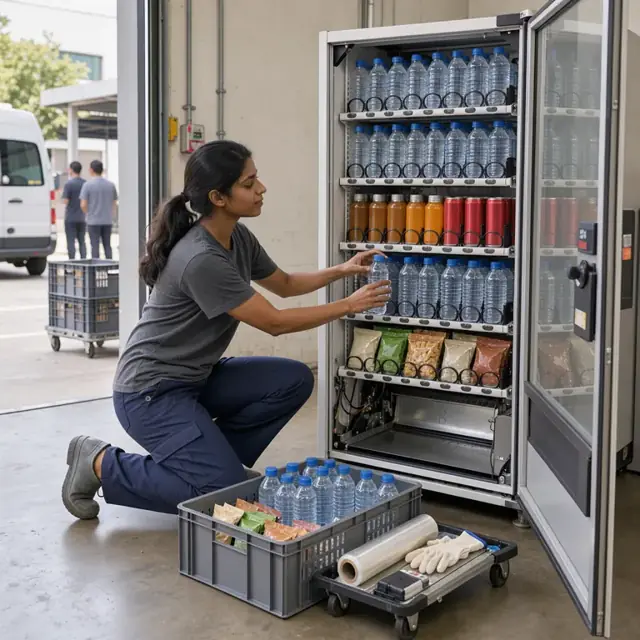
Seasonal Demand Planner
Analyze sales patterns and recommend product mix, planogram and route frequency changes for seasonal demand.
Works in: Ambitious Sheets, Process Optimizer, Ambitious Tasks · Workflows: Seasonal product and route optimization
Automates
- Compares year-over-year sales by product, location and season
- Recommends specific product additions or swaps for upcoming demand shifts
- Suggests adjustments to route visit frequency
- Updates machine planograms showing new shelf layouts
Stops for a person
- The operator approves all product changes, planogram updates and route frequency adjustments
- The operator confirms final seasonal product orders before they are placed
Workflows
New location intake and contracting
Starts when: A potential host inquires about placing a machine or requests service changes
- Capture location details including foot traffic patterns, available power, space constraints and preferred machine types
- Draft a placement agreement with commission rate, service frequency, maintenance responsibilities and termination terms
- Evaluate against current route density, available machine inventory and existing host agreements
- Confirm host contact preferences and record all details in the location record
- Create an initial stocking plan task and schedule the first placement visit
Watch for: Exact commission split and responsibilities must be confirmed by the host before placement; Each location may require unique machine configurations and initial product selections
Restock route planning and execution
Starts when: Weekly sales data upload, low-stock alert or scheduled service day
- Pull current inventory levels, sales velocity and alert data for all machines on the route
- Group machines into efficient geographic clusters based on urgency, product needs and host operating hours
- Build sequenced daily routes that respect traffic patterns, time windows and temperature requirements for perishable items
- Generate a detailed truck load sheet showing exact product quantities, types and any special handling instructions
- Record service completion, cash or coin collected, inventory added and any observed issues
Watch for: Perishable food and dairy items cannot be left in machines outside safe temperature ranges; Routes must avoid peak business hours at factories, schools and offices
Inventory purchasing and par management
Starts when: After each restock cycle and monthly review
- Calculate total product usage across all machines from route data
- Subtract current warehouse stock and factor in upcoming seasonal demand shifts
- Draft purchase orders separated by supplier for snacks, beverages, refrigerated items and vending supplies
- Track expiration dates on perishable goods and enforce first-in-first-out rotation
- Adjust par levels and reorder points based on observed sales velocity trends
Watch for: Perishable items require tight ordering lead times to maintain freshness; Different suppliers handle distinct product categories such as cold drinks versus packaged snacks
Preventive maintenance and repair scheduling
Starts when: Scheduled service interval, fault alert from machine telemetry or post-restock inspection
- Generate a model-specific maintenance checklist including refrigeration, coin mechanisms, card readers and vending slots
- Align technician visits with existing restock routes whenever possible to reduce travel
- Log temperature readings, mechanical function tests and any component wear
- Flag machines needing parts, major repairs or full removal from the location
- Update the permanent asset maintenance history record
Watch for: Refrigeration and electrical repairs require certified technicians; High-traffic locations cannot tolerate extended downtime
Cash collection and revenue reconciliation
Starts when: Immediately after each machine service visit
- Record physical cash, coin and electronic transaction totals pulled from the machine
- Reconcile collected amounts against the machine's internal sales log
- Prepare deposit documentation and secure funds for bank drop
- Calculate commission amounts owed to each location host based on the placement agreement
- Flag any discrepancies between collected funds and reported sales for immediate review
Watch for: All cash and coin must be counted and secured on-site before leaving the location; Commission payments and statements are issued only after final verification
Permit, inspection and sanitation tracking
Starts when: Before each scheduled health inspection, on renewal dates or after every service visit
- Generate machine-specific sanitation and temperature log checklists for the service technician
- Track expiration dates for vending permits, business licenses, liability insurance and host agreements
- Compile all required temperature, sanitation and maintenance records for health department submissions
- Maintain current digital copies of every location agreement, permit and inspection report
- Send advance alerts before any permit, license or inspection deadline
Watch for: Health and vending regulations differ by city, county and state and depend on machine contents; Temperature logs are mandatory for any machine containing refrigerated or perishable food
Seasonal product and route optimization
Starts when: Start of each new season or after monthly sales data review
- Compare current and prior-year sales by product category, machine location and time of year
- Recommend specific product swaps or additions to match expected seasonal demand
- Adjust route visit frequency for locations with predictable high or low traffic periods
- Update machine planograms showing shelf layout and product placement for the coming period
- Revise warehouse ordering lists to reflect the updated product mix
Watch for: Summer drives higher cold beverage demand while school terms increase certain snack categories; All product changes and route frequency adjustments require final operator approval
Bot templates for this industry
- Vending Machine Operators (7 bots)
Source: U.S. Small Business Administration, Office of Size Standards, Table of Small Business Size Standards Matched to North American Industry Classification System Codes, version March 2023 (effective 2023-03-17, NAICS 2022). Size standards are shown for reference only.