

Meat Retailers
Meat retailers cut, grind, package and sell fresh beef, pork, poultry, lamb and specialty meats over the counter or by custom order. For a shop that takes walk-in and phoned-in orders for steaks, ground blends, sausage, smoked items and holiday roasts, the specialists turn customer requests into cut tickets, manage daily production and inventory of fresh and frozen stock, schedule smokehouse and curing batches, track aging and food-safety logs, and generate reorder lists from supplier delivery schedules. Pricing, species-specific cutting yields and regulatory temperature requirements stay with the butcher.
What makes this business different
- Custom cutting orders with exact thickness, trim level, grind coarseness, seasoning and packaging preferences that must be executed precisely
- Daily production of fresh cuts, ground product and case-ready items balanced against walk-in traffic and advance orders
- Inventory tracking of whole carcasses, primals, frozen stock and by-products with yield tracking and waste minimization
- Curing, smoking and aging schedules for bacon, ham, sausage and dry-aged beef with strict time and temperature controls
- Supplier delivery windows for fresh meat and packaging that arrive chilled or frozen on specific days
- Food-safety temperature logs, sanitation checklists, scale calibration records and retail meat-handling permits
- Repeat customers who place standing orders for holidays, events or weekly butcher-box programs
Specialist bots
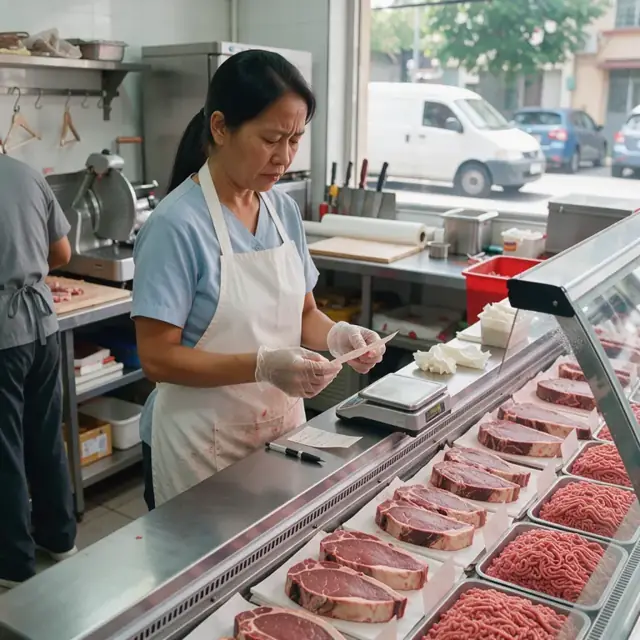
Order Taker
Convert every custom meat order into a precise, butcher-ready cut ticket.
Works in: Ambitious Tasks, Ambitious Docs, Email Buckets · Workflows: Custom order intake and cut ticket creation
Automates
- Parses incoming phone, message and in-person order details
- Captures cut, thickness, trim, grind, seasoning and packaging specs
- Checks availability against current stock and production schedule
- Calculates quoted price and creates the cut ticket
- Adds order to the daily production board
Stops for a person
- The head butcher approves any off-standard cuts or large orders
- A person confirms pricing on high-value items and collects payment
- Special seasoning blends are verified by the sausage maker

Daily Cut Scheduler
Turn daily orders and case needs into a sequenced cutting and grinding plan.
Works in: Ambitious Tasks, Process Optimizer, Ambitious Sheets · Workflows: Daily cutting and grinding schedule
Automates
- Combines custom tickets with standard case requirements
- Sequences breakdown, trimming, grinding and packaging tasks
- Balances workload across butcher stations
- Generates printed case and product labels
Stops for a person
- The head butcher reorders the sequence based on carcass condition
- A person performs final weight and trim verification before packaging
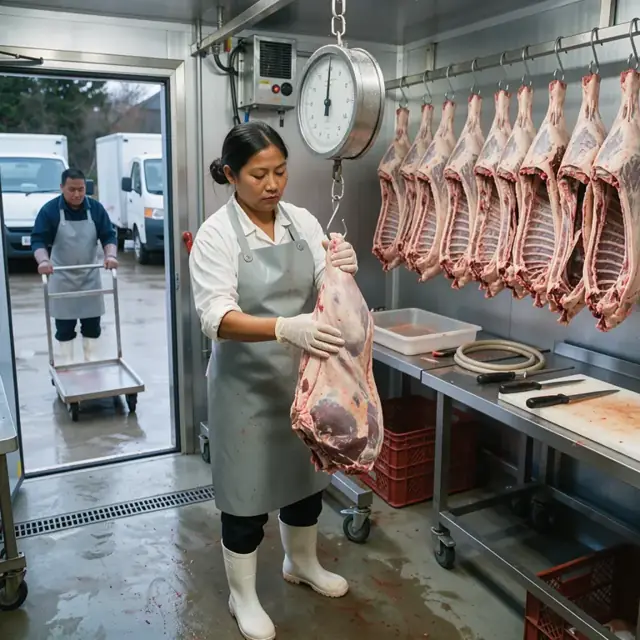
Inventory and Yield Tracker
Monitor fresh, frozen and packaged meat stock and generate supplier reorder lists.
Works in: Ambitious Sheets, Ambitious Tasks, Ambitious Docs · Workflows: Meat and packaging inventory control
Automates
- Records end-of-day primal and product counts
- Projects yields from remaining carcasses against orders
- Builds reorder lists by supplier delivery schedule
- Tracks packaging and trim waste
Stops for a person
- The owner places all purchase orders and spends money
- A person performs physical inventory spot checks

Smokehouse and Curing Planner
Build curing and smoking schedules and maintain associated temperature logs.
Works in: Ambitious Tasks, Process Optimizer, Ambitious Docs · Workflows: Smokehouse and curing batch scheduling
Automates
- Lists items for curing or smoking
- Creates timed schedules for each stage
- Assigns smokehouse runs and wood types
- Prepares temperature and humidity log templates
Stops for a person
- The master smoker approves all recipes and schedules
- A person records actual smokehouse readings and makes adjustments

Receiving and Quality Clerk
Inspect and log all incoming supplier meat deliveries against orders.
Works in: Ambitious Tasks, Ambitious Sheets, Ambitious Docs · Workflows: Supplier receiving and quality check
Automates
- Prepares expected delivery checklist
- Records temperatures, weights and condition on arrival
- Flags discrepancies and updates inventory records
- Triggers approval for supplier invoices
Stops for a person
- The owner or head butcher inspects product quality and decides on acceptance
- A person signs for deliveries and files temperature logs

Pricing and Customer Coordinator
Calculate prices for custom orders, prepare invoices and track customer preferences.
Works in: Ambitious Sheets, Ambitious Docs, Email Buckets · Workflows: Pricing, billing and loyalty tracking
Automates
- Applies current per-pound rates to each cut
- Generates invoices for standing accounts
- Maintains customer preference and order history
- Drafts reorder and seasonal reminders
Stops for a person
- The owner approves all price changes and discounts
- A person sends invoices and handles payment follow-up

Food Safety and Compliance Clerk
Maintain daily sanitation checklists, temperature logs and permit renewal tracking.
Works in: Ambitious Tasks, Ambitious Sheets, Ambitious Docs · Workflows: Food safety, sanitation and permit tracking
Automates
- Generates daily temperature and sanitation checklists
- Compiles cooler and display case readings
- Tracks calibration, permit and license due dates
- Maintains current safe-handling label versions
Stops for a person
- The owner confirms which local health rules apply
- All corrective actions and inspection responses are performed by people
- The bot never certifies compliance
Workflows
Custom order intake and cut ticket creation
Starts when: A customer orders in-person, by phone or by message
- Capture exact cut, thickness, trim, weight target, grind specification, seasoning and packaging request
- Check against available primals, aging stock and daily production capacity
- Quote price using current per-pound rates and confirm pickup or delivery time
- Create a numbered cut ticket with customer name and special instructions
- Add the order to the daily production board
Watch for: Exact trim and fat content must match customer request and never be assumed; Large custom orders may require 24-48 hour notice depending on carcass availability
Daily cutting and grinding schedule
Starts when: Start of each business day and after morning orders are locked
- Combine all cut tickets with standard case stock requirements
- Sequence tasks by primal: break down whole muscles first, then trim, then grind and stuff
- Assign specific cuts to each butcher station to balance workload
- Flag any orders needing dry-aging continuation or smoking next
- Print case labels with product name, weight, price, pack date and safe-handling instructions
Watch for: Knife and saw schedules must prevent cross-contamination between species; Grind batches must keep lean-to-fat ratios within customer specifications
Meat and packaging inventory control
Starts when: End of each day and before supplier deliveries
- Count and record remaining primals, ground product, smoked items and frozen stock
- Calculate projected yield from remaining carcasses against upcoming orders
- Generate reorder list for upcoming supplier delivery day
- Track packaging supplies such as trays, film, labels, sausage casings and freezer paper
- Log any trim waste or items moved to the smoker or freezer
Watch for: Fresh meat must be rotated using first-in-first-out with strict sell-by dates; Carcass and primal weights must be tracked for accurate costing
Smokehouse and curing batch scheduling
Starts when: Weekly and when custom cured orders are booked
- List all items scheduled for curing or smoking that week
- Build a timed schedule for brine, cure, smoke and drying stages
- Assign smokehouse capacity and wood type per batch
- Create temperature and humidity logs for each run
- Draft labels for finished product including use-by dates
Watch for: Curing times and smokehouse temperatures must follow exact recipes; Space in the smokehouse is limited and must be reserved days ahead
Supplier receiving and quality check
Starts when: On each scheduled supplier delivery day
- Prepare expected delivery list with order numbers and weights
- Inspect temperature, packaging integrity and species documentation on arrival
- Record actual weights and any shortages or quality issues
- Move received primals into cooler or freezer with proper dating
- Update inventory sheets and trigger payment approval
Watch for: All meat must arrive below required temperature thresholds; Certificates of analysis or inspection stamps must be verified
Pricing, billing and loyalty tracking
Starts when: At time of sale and on a weekly cadence
- Calculate final price for custom cuts and packaged items using current rates
- Draft invoices for standing commercial accounts and butcher-box subscriptions
- Track repeat customer preferences and special requests
- Generate weekly sales summary by cut and by customer type
- Draft reorder reminders for regular customers
Watch for: Price changes on commodity meat must be updated daily; Loyalty or bulk discounts require owner approval before application
Food safety, sanitation and permit tracking
Starts when: Every shift, end of day and on renewal dates
- Generate daily sanitation and temperature monitoring checklists
- Record cooler, freezer and display case temperatures
- Track scale calibration, knife sanitation and handwashing logs
- Monitor expiration of retail food permits, business licenses and insurance
- Keep species labeling and safe-handling instruction versions current
Watch for: Temperature logs must be maintained for every refrigeration unit; Local health department rules on grinding, labeling and display vary by jurisdiction
Bot templates for this industry
- Meat Retailers (7 bots)
Source: U.S. Small Business Administration, Office of Size Standards, Table of Small Business Size Standards Matched to North American Industry Classification System Codes, version March 2023 (effective 2023-03-17, NAICS 2022). Size standards are shown for reference only.