

Shoe Retailers
Shoe retailers select and buy seasonal lines from suppliers, maintain physical and online inventory, assist customers with fit and size selection, process sales and special orders, handle returns and exchanges, schedule in-store repairs, and manage vendor paperwork. Specialists turn supplier catalogs and past sales into draft purchase plans, incoming shipments into priced inventory records, customer requests into measured fitting profiles, daily sales into restock and reorder alerts, repair drop-offs into bench schedules, and returns into updated stock and vendor credit memos, while the owner confirms all pricing, promotions, payments and final decisions.
What makes this business different
- Seasonal buying cycles with new lines arriving before back-to-school, holiday and spring periods
- Accurate foot measurement using Brannock device and size conversion across multiple brands, widths and fit variations
- Inventory tracking by style, color, size, width, location (sales floor, back room, warehouse) and online availability
- Vendor returns for defects, credit memos and tracking of cooperative advertising or rebates
- In-store repair bench with limited-life parts such as heels, soles, dyes and threads
- Customer measurement records, fit notes, special orders and repeat purchase history
- Online order fulfillment from store stock, ship-from-store processes and return inspection
- Visual merchandising, display rotation, end-of-season clearance and open-to-buy budget adherence
Specialist bots
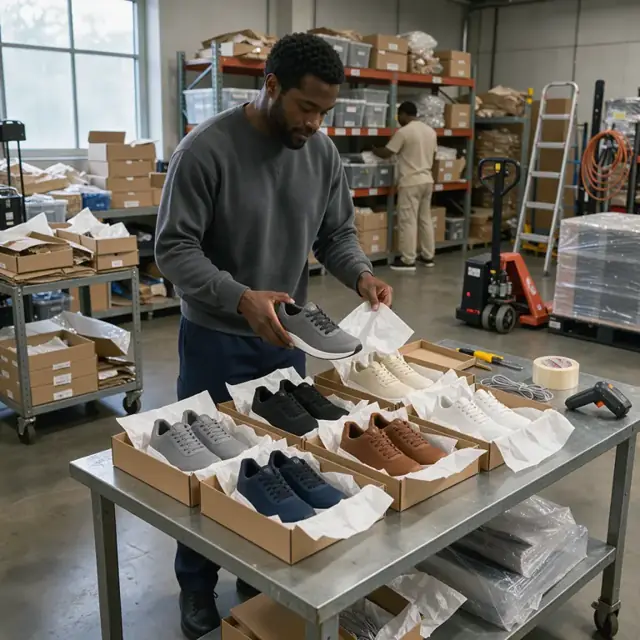
Inventory Receiver
Match every incoming shipment to its purchase order and update stock levels with landed costs.
Works in: Ambitious Sheets, Ambitious Tasks, Ambitious Docs · Workflows: Purchase order and new arrival intake
Automates
- Compares boxes and contents to purchase orders
- Logs style, color, size, width and quantity received
- Calculates landed cost per pair
- Flags damaged items and drafts return paperwork
- Updates inventory locations for floor and back room
Stops for a person
- The owner approves all vendor returns and credits
- Pricing and retail tags are confirmed by a person before floor placement

Fitting Specialist
Capture foot measurements, preferences and fit history to recommend exact styles and sizes.
Works in: Ambitious Tasks, Ambitious Docs, Ambitious Sheets · Workflows: Customer fitting and measurement
Automates
- Records Brannock device measurements, width and arch type
- Pulls available inventory matches from floor and warehouse
- Builds customer profiles with past purchases and notes
- Drafts recommendation lists and special order tasks
Stops for a person
- The salesperson on the floor reviews all recommendations before showing to the customer
- Special orders require owner price and availability confirmation
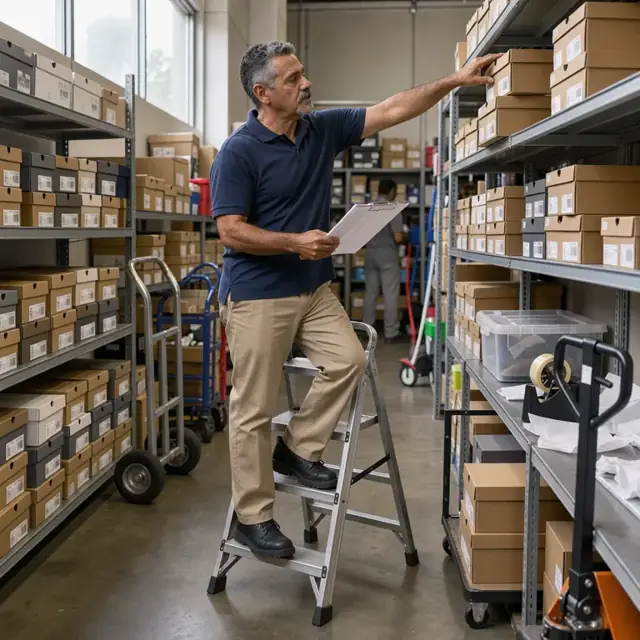
Restock Planner
Review daily sales to flag low stock, suggest reorders and plan floor replenishment.
Works in: Ambitious Sheets, Process Optimizer, Ambitious Tasks · Workflows: Daily sales and restock planning
Automates
- Analyzes sales velocity by style, color, size and width
- Calculates par levels and generates reorder suggestions
- Suggests transfers from warehouse or other locations
- Identifies end-of-season clearance candidates
- Updates visual merchandising plans for sales floor gaps
Stops for a person
- The owner approves all purchase orders and clearance pricing
- Final floor plan changes are decided by a person
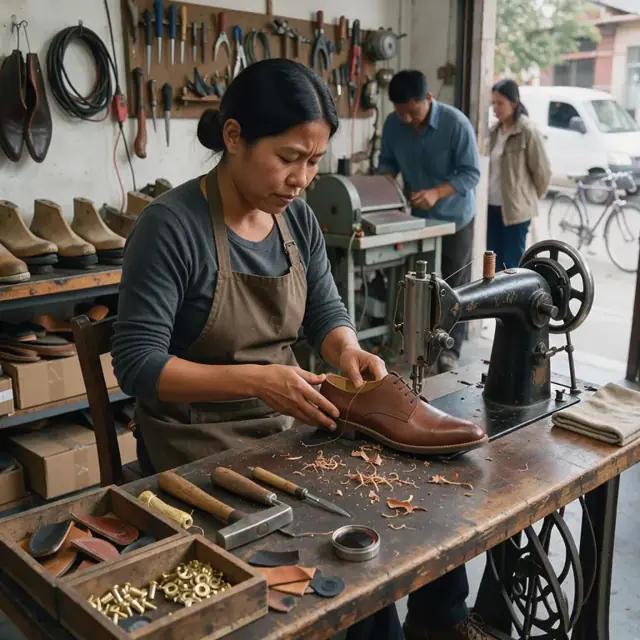
Repair Coordinator
Turn every repair drop-off into a scheduled bench job with parts, price and due date.
Works in: Ambitious Tasks, Ambitious Docs, Process Optimizer · Workflows: Repair intake and bench scheduling
Automates
- Creates photographic repair tickets with multiple angles
- Applies standard pricing from the repair list
- Schedules jobs on the bench calendar with due dates
- Tracks parts and materials consumed from inventory
Stops for a person
- The cobbler reviews complexity and can adjust time or price
- The owner approves any repair estimate over a standard amount

Returns and Exchange Clerk
Process every return and exchange by inspecting condition, updating inventory and logging reasons.
Works in: Ambitious Tasks, Ambitious Docs, Ambitious Sheets · Workflows: Return and exchange processing
Automates
- Checks return window, receipt and item condition
- Updates inventory with returned sizes, styles and status
- Logs reason codes by category for buying decisions
- Prepares resale tags or vendor return paperwork
Stops for a person
- A person makes the final decision on worn or out-of-policy returns
- Refunds and exchanges are released only after manager approval

Seasonal Buyer
Analyze past sales and customer requests to draft seasonal purchase plans and vendor line sheets.
Works in: Ambitious Sheets, Ambitious Docs, Process Optimizer · Workflows: Seasonal buying and assortment planning
Automates
- Summarizes prior season performance by category and vendor
- Calculates open-to-buy quantities within budget
- Compiles wish lists from fitting notes and customer requests
- Prepares line sheets and negotiation notes for vendor meetings
Stops for a person
- The owner reviews and approves every purchase plan and commitment
- Final vendor orders are placed by a person

Vendor Paperwork Administrator
Verify every invoice, packing slip and credit memo against agreed terms before payment.
Works in: Ambitious Docs, Ambitious Sheets, Contract Analyzer · Workflows: Vendor paperwork and compliance
Automates
- Matches invoices and packing slips to purchase orders
- Checks discount, dating, rebate and cooperative advertising terms
- Flags discrepancies and drafts credit memo requests
- Tracks deadlines and files correspondence by season
Stops for a person
- The owner confirms and releases every payment
- Any deviation from vendor agreements is approved by a person
Workflows
Purchase order and new arrival intake
Starts when: New shipment arrives from a vendor or a purchase order is placed
- Match incoming boxes against the purchase order and packing slip
- Log each style, color, size run, width and quantity received
- Inspect for defects or damage and draft vendor return paperwork if needed
- Update inventory records with landed cost, retail price and floor location
- Create tasks for tagging, pricing and moving stock to the sales floor or online
Watch for: Styles must align with current planogram and open-to-buy limits; Damaged goods and credit memos must be tracked until vendor resolution
Customer fitting and measurement
Starts when: A customer requests help finding shoes or books an appointment
- Record foot measurements, width preference, arch type and intended use with the Brannock device
- Pull matching styles, sizes and widths from current inventory and online stock
- Add fit notes, past purchases and brand preferences to the customer profile
- Draft a recommendation list and special-order requests
- Create a task for any unavailable styles to be sourced from vendors
Watch for: Brannock device readings must be recorded exactly as taken; Brand-specific fit differences and customer notes must follow the profile
Daily sales and restock planning
Starts when: End of each business day and after each online order
- Pull sales report by style, color, size and width
- Flag items that have dropped below par levels on the floor or in the warehouse
- Generate transfer requests from warehouse or other locations
- Draft reorder suggestions for fast-moving items based on velocity
- Update visual merchandising plans for gaps on the sales floor
Watch for: Peak season stock must be protected for full-price selling; End-of-season styles must be identified for clearance markdowns
Repair intake and bench scheduling
Starts when: A customer drops off shoes for repair
- Photograph the shoes from multiple angles and note the requested repairs
- Estimate time and cost using the standard price list
- Schedule the job on the repair bench calendar with due date
- Create a tagged ticket with customer contact information and pickup instructions
- Track parts and materials used from the repair inventory
Watch for: Repair parts such as leather dyes and sole materials have limited shelf life; Jobs must be completed before the promised pickup date
Return and exchange processing
Starts when: A customer brings shoes back or requests an online return
- Inspect condition of returned items and verify original receipt or order
- Check against the return policy time window and conditions
- Update inventory records with returned sizes, styles and conditions
- Process refund or exchange and prepare resale or vendor return tags
- Log reason codes for buying and merchandising decisions
Watch for: Worn shoes may only be exchanged for the same style and size in many cases; Online returns frequently arrive without original packaging or tags
Seasonal buying and assortment planning
Starts when: Eight weeks before each major selling season
- Review prior season sales data by category, vendor and price point
- Draft open-to-buy quantities within approved budget limits
- Compile a wish list from customer fitting notes and requests
- Prepare line sheets, price negotiation notes and vendor meeting materials
- Create intake tasks for expected new arrivals and merchandising
Watch for: All buying plans must stay within the approved open-to-buy budget; Vendor minimum order quantities and payment terms affect cash flow
Vendor paperwork and compliance
Starts when: On receipt of every shipment and before each payment
- Verify packing slips against purchase orders and agreed terms
- Check invoices for discounts, dating, rebates and cooperative advertising
- Log any discrepancies and draft credit memo requests
- Track all vendor correspondence and deadlines by season
- Prepare files for payment approval and record keeping
Watch for: Terms and dating differ by vendor and must be followed precisely; The owner must confirm and release every payment and credit
Bot templates for this industry
- Shoe Retailers (7 bots)
Source: U.S. Small Business Administration, Office of Size Standards, Table of Small Business Size Standards Matched to North American Industry Classification System Codes, version March 2023 (effective 2023-03-17, NAICS 2022). Size standards are shown for reference only.