

Used Merchandise Retailers
Used Merchandise Retailers acquire, price, refurbish, display and sell secondhand sporting goods, musical instruments, books, collectibles and hobby items through in-store and online channels. For a store that buys or consigns used guitars, skis, board games and rare books, the specialists turn supplier messages and drop-offs into purchase or consignment agreements, intake items into conditioned inventory with photos, schedule refurbishment and listings, process sales across channels, monitor seasonal inventory gaps, handle buyer and consignor follow-up, and track resale paperwork that the owner reviews and files.
What makes this business different
- Intake of varied used items with detailed condition grading, photos, cleaning needs, authenticity notes and repair estimates
- Consignment agreements that define sales splits, minimum prices, pickup deadlines and store policies
- Seasonal buying and selling patterns such as spring sporting goods, fall musical instruments and holiday collectibles
- Pricing that accounts for condition, market value, brand, season and recent comparable sales
- Multi-channel inventory tracking for store floor, back room, online listings and sold items
- Refurbishment workflows for cleaning, restringing, sharpening or minor repairs before display or sale
- Resale permits, sales-tax collection, consignor payouts and serial-number logging for certain items
- Repeat consignors and buyers seeking price alerts, trade-ins and updates on unsold items
Specialist bots

Item Intake Clerk
Turn every consignment or purchase message and drop-off into a documented agreement and inventory task.
Works in: Ambitious Tasks, Ambitious Docs, Contract Analyzer · Workflows: Item intake and consignment processing
Automates
- Reads incoming messages and attached photos
- Drafts consignment or purchase agreements with standard terms
- Checks for duplicate items and flags comparable values
- Creates intake tasks with photos and condition notes
- Flags immediate refurbishment needs
Stops for a person
- The owner approves all purchase offers and special terms
- A person obtains signatures on consignment agreements
- Authenticity questions on collectibles go to the owner for decision

Pricing and Listing Specialist
Research market values and create shelf tags plus online listings for every new item.
Works in: Ambitious Sheets, Ambitious Docs, Ambitious Tasks · Workflows: Pricing, tagging and online listing
Automates
- Pulls comparable sales data from recent transactions
- Suggests prices by condition, brand and season
- Generates descriptions, tags and photo requirements
- Prepares listings for upload to online marketplaces
Stops for a person
- The owner reviews and adjusts all final prices
- High-value listings receive final approval before going live

Refurbishment Coordinator
Identify repair needs and schedule cleaning, restringing and sharpening so items reach salable condition.
Works in: Ambitious Tasks, Process Optimizer, Ambitious Sheets · Workflows: Refurbishment and repair scheduling
Automates
- Lists required work per item by type
- Builds weekly refurbishment schedule across stations
- Tracks parts and supplies used
- Updates condition notes and photos after completion
Stops for a person
- The technician confirms repair feasibility and cost
- Consignors approve any repair charges that reduce their payout
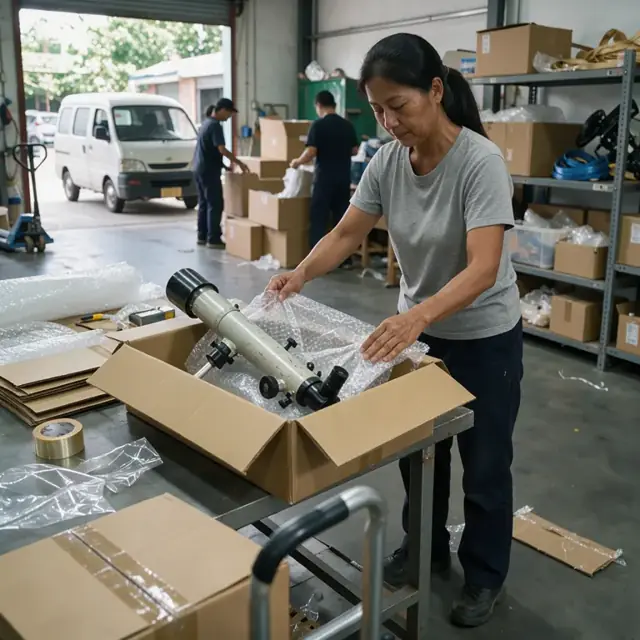
Sales and Fulfillment Processor
Process in-store purchases and online orders by pulling stock, packing and updating inventory across channels.
Works in: Ambitious Tasks, Ambitious Docs, Ambitious Sheets · Workflows: In-store and online sales processing
Automates
- Checks current stock location and availability
- Generates receipts with condition disclaimers
- Creates packing lists and shipping labels for online orders
- Updates listings as sold and creates payout tasks
Stops for a person
- A person handles cash, processes credit cards and signs receipts
- The owner verifies buyer requirements for restricted items

Inventory and Buying Manager
Monitor stock levels, spot seasonal gaps and draft buying or consignment solicitations to keep the store replenished.
Works in: Ambitious Sheets, Ambitious Tasks, Process Optimizer · Workflows: Inventory monitoring and seasonal buying
Automates
- Flags low stock and high-turnover categories
- Suggests items to seek by season and demand
- Drafts solicitation messages for consignors or suppliers
- Tracks overall inventory value and turnover
Stops for a person
- The owner approves all buying trips and spending
- Final decisions on what to accept remain with the owner
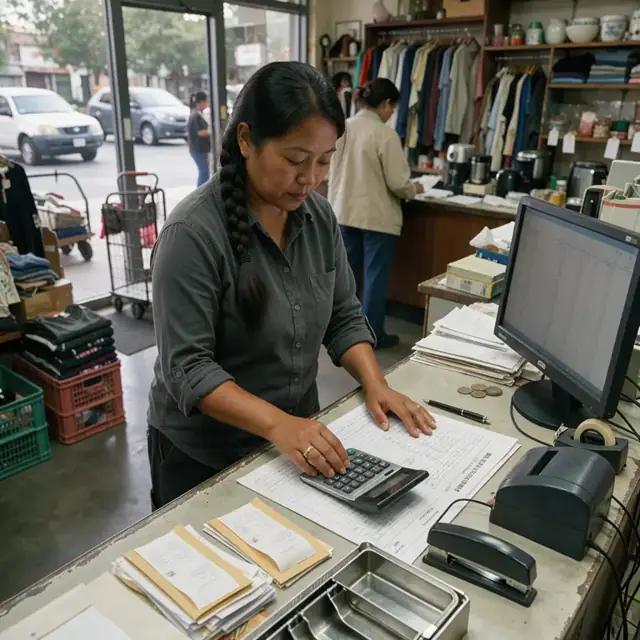
Buyer and Consignor Host
Notify consignors of sales, alert buyers to new matches and manage follow-up messages for reorders and trade-ins.
Works in: Ambitious Tasks, Email Buckets, Ambitious Docs · Workflows: Buyer and consignor follow-up
Automates
- Generates payout reports after sales
- Creates price-drop and restock alerts
- Drafts trade-in and feedback requests
- Tracks unsold item reminders
Stops for a person
- The owner approves every message sent to customers or consignors
- Payout amounts are confirmed by a person before disbursement

Compliance and Tax Clerk
Prepare sales-tax reports, track permit renewals and maintain consignor payout records for owner review.
Works in: Ambitious Sheets, Ambitious Docs, Ambitious Tasks · Workflows: Permit, tax and resale compliance
Automates
- Compiles monthly sales-tax summaries by category
- Tracks renewal dates for permits and insurance
- Generates year-end consignor summaries
- Logs serial numbers for high-value items
Stops for a person
- The owner confirms all tax filings and local requirements
- People file official reports and handle audits
- The bot never certifies compliance
Workflows
Item intake and consignment processing
Starts when: A supplier or consignor brings items in person, by appointment or sends photos by message
- Capture item description, brand, condition details, photos and any requested terms
- Check against current inventory for duplicates and research recent comparable sales
- Draft a consignment or purchase agreement with splits, deadlines and policies
- Assign a unique sku and create an intake task with all documentation
- Flag any immediate refurbishment needs
Watch for: Condition must be documented exactly to avoid later disputes; Consignors may set minimum sale prices that cannot be lowered without approval
Pricing, tagging and online listing
Starts when: After intake or on a weekly batch
- Research comparable sold items and current market value by condition and season
- Set in-store price along with any online discount tiers
- Create shelf tags, price stickers and detailed online descriptions with photos
- Upload to online marketplaces with correct categories and shipping options
- Flag high-value or regulated items for additional owner review
Watch for: Pricing must reflect condition grades and seasonal demand; Online platforms require specific photo and description formats
Refurbishment and repair scheduling
Starts when: After intake or when an item sits unsold for a set period
- Identify needed cleaning, restringing, sharpening, polishing or minor fixes
- Build a weekly refurbishment schedule across workbenches or outside services
- Track parts and supplies used for each item
- Update condition notes and photos after work is complete
- Move item to sales floor or online listing once ready
Watch for: Specialty tools for musical instruments or sporting goods must be available; Repairs on consigned items need original owner approval for added cost
In-store and online sales processing
Starts when: A customer buys in person or places an online order
- Check current stock location and pull the item for sale
- Process payment and generate receipt with condition disclaimer
- For online orders pack with appropriate protection and generate shipping label
- Update inventory status across channels and remove or adjust listings
- Create a task for consignor payout when applicable
Watch for: Certain items require buyer verification steps confirmed by the owner; Shipping of fragile musical instruments or bulky sporting goods needs special packaging
Inventory monitoring and seasonal buying
Starts when: Weekly and at the start of each season
- Review low-stock categories and high-demand items
- Identify gaps in popular brands, types or seasonal categories
- Draft targeted buying requests or consignment solicitations
- Plan buying trips or store events around seasonal peaks
- Track overall inventory value and turnover rate
Watch for: Seasonal demand shifts require advance planning for winter sports or back-to-school items; Store space constraints limit how much inventory can be accepted at once
Buyer and consignor follow-up
Starts when: After a sale, when an item sells or on a set cadence
- Notify consignors when their items sell and draft payout reports
- Alert buyers when matching items arrive or prices drop
- Draft restock or trade-in offers to past customers
- Request feedback on sold items and update notes
- Remind consignors of unsold items nearing pickup deadlines
Watch for: Payouts occur only after owner approval and sales-tax reconciliation; All messages must be approved before sending
Permit, tax and resale compliance
Starts when: Monthly, at time of sale and on renewal dates
- Generate monthly sales-tax reports by category for owner review
- Track resale permit, business license and insurance renewal dates
- Log serial numbers for high-value items
- Prepare consignor payout summaries at year end for owner review
- Maintain condition and repair logs for dispute protection
Watch for: Rules for consignment sales and used-goods taxation differ by locality; The owner confirms all tax and reporting requirements
Bot templates for this industry
- Consignment Resale Shops (3 bots)
- Used Merchandise Retailers (7 bots)
Source: U.S. Small Business Administration, Office of Size Standards, Table of Small Business Size Standards Matched to North American Industry Classification System Codes, version March 2023 (effective 2023-03-17, NAICS 2022). Size standards are shown for reference only.