

Scheduled Passenger Air Transportation
Scheduled airlines publish fixed flight schedules, sell tickets, operate aircraft on published routes, manage crew assignments, maintain aircraft to regulatory standards, and handle passenger check-in, boarding, baggage, and ground operations. The specialists turn reservation requests into booked itineraries, aggregate bookings into load and crew plans, convert those plans into aircraft dispatch and maintenance schedules, and track on-time performance while pilots, dispatchers and mechanics retain authority over all safety decisions.
What makes this business different
- Published flight schedules that must be filed with regulators and protected from unauthorized changes
- Complex fare rules, seat inventory controls, ancillary sales and ticket exchange policies
- Crew pairing, duty-time limits, rest requirements and qualification matching to aircraft types
- Aircraft routing, fuel planning, weight-and-balance calculations and minimum equipment list compliance
- Airport slot coordination, gate assignments, ground handling contracts and curfew restrictions
- Passenger check-in, boarding, baggage reconciliation, no-show processing and irregular operations recovery
- Maintenance planning, airworthiness directives, inspection cycles, parts inventory and logbook entries
- Weather, NOTAMs, flight plan filing and release authority that remain with licensed dispatchers and captains
Specialist bots

Reservation and Ticketing Agent
Convert every booking request into a confirmed passenger name record with correct fare and ancillaries.
Works in: Ambitious Tasks, Ambitious Docs, Email Buckets · Workflows: Reservation and ticketing
Automates
- Reads incoming reservation requests from all channels
- Validates availability against current inventory controls
- Applies correct fare rules and promotions
- Issues tickets and record locators
- Creates downstream passenger tasks
Stops for a person
- Complex corporate or group bookings are reviewed by a revenue analyst
- A person approves refunds, waivers and exceptions

Schedule and Slot Coordinator
Build, file and protect the published flight schedule while securing necessary airport slots.
Works in: Ambitious Sheets, Process Optimizer, Ambitious Docs · Workflows: Flight schedule development and filing
Automates
- Constructs candidate timetables from demand forecasts
- Checks slot and curfew availability at each airport
- Prepares regulatory filings
- Monitors schedule integrity across systems
Stops for a person
- Network planners approve final schedule before filing
- Any schedule change that affects crew or maintenance is reviewed by operations leadership

Crew Pairing and Assignment Planner
Generate legal crew pairings, bid packages and daily assignments that respect all duty and qualification rules.
Works in: Process Optimizer, Ambitious Sheets, Ambitious Tasks · Workflows: Crew pairing and assignment
Automates
- Builds pairings within regulatory limits
- Matches crew qualifications to aircraft
- Publishes bid packages and open-time lists
- Tracks cumulative flight time and rest
Stops for a person
- Chief pilots and union representatives review pairing legality
- Crew members accept or trade assignments through established bidding processes

Flight Dispatch Preparer
Assemble all required documents, fuel calculations, weather and routing data for each flight release.
Works in: Ambitious Tasks, Ambitious Docs, Ambitious Sheets · Workflows: Aircraft routing and dispatch preparation
Automates
- Calculates required fuel and performance numbers
- Pulls current weather, NOTAMs and flight plan data
- Builds the aircraft rotation plan
- Prepares the release package
Stops for a person
- Only a certified aircraft dispatcher may sign the final release
- The captain reviews and accepts the dispatch release
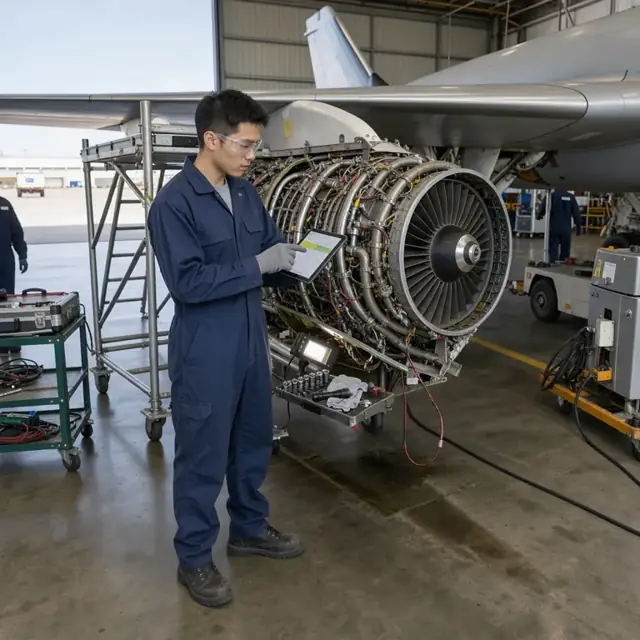
Aircraft Maintenance Coordinator
Track aircraft usage against maintenance intervals and schedule inspections, parts and hangar time.
Works in: Ambitious Sheets, Ambitious Tasks, Ambitious Docs · Workflows: Aircraft maintenance scheduling
Automates
- Monitors flight hours, cycles and calendar compliance
- Schedules checks and heavy maintenance
- Reserves parts and facilities
- Updates status in the routing system
Stops for a person
- Licensed mechanics perform and sign off all work
- The director of maintenance approves any deferrals or extensions

Passenger and Gate Operations Coordinator
Manage day-of operations at the gate including check-in, boarding, baggage and irregular recovery.
Works in: Ambitious Tasks, Ambitious Docs, Process Optimizer · Workflows: Day-of departure and gate operations, Irregular operations recovery
Automates
- Opens and monitors check-in and boarding
- Reconciles passengers and bags
- Generates recovery options during disruptions
- Sends passenger notifications
Stops for a person
- Ramp and gate agents execute physical boarding and baggage loading
- A supervisor approves any denied boarding or involuntary rerouting
Workflows
Reservation and ticketing
Starts when: Customer books via website, app, call center or travel agency
- Capture passenger count, travel dates, origin-destination, fare class and ancillaries
- Check seat availability and fare rules against the current inventory
- Apply any frequent-flyer redemption, corporate contract or promotion code
- Issue electronic ticket with record locator and send confirmation
- Create a passenger name record task for downstream operations
Watch for: Seat inventory must be protected by revenue management controls; Name changes, date changes and cancellations follow strict contract rules
Flight schedule development and filing
Starts when: Seasonal or monthly schedule change cycle
- Build proposed timetable using historical demand and slot availability
- Coordinate required airport slots and curfew windows
- File schedule with regulatory bodies and booking systems
- Publish the schedule to distribution channels
- Monitor competitor reactions and adjust as needed
Watch for: Schedule changes affect crew bases, aircraft routing and maintenance plans; Regulatory filing deadlines are fixed and non-negotiable
Crew pairing and assignment
Starts when: Monthly bid period and weekly adjustments
- Generate legal pairings that respect duty limits, rest rules and qualifications
- Match crew to aircraft type and base location
- Publish bid packages and handle preferential bidding
- Assign open time and reserve coverage
- Track flight-time limitations and fatigue risk
Watch for: Federal aviation regulations on flight and duty time must be observed exactly; Crew must be current on aircraft type, recurrent training and medicals
Aircraft routing and dispatch preparation
Starts when: 24-72 hours before each flight
- Build aircraft rotation that satisfies maintenance requirements
- Calculate fuel load, weight-and-balance and takeoff performance
- File flight plans and secure departure slots
- Check MEL items and release the aircraft
- Monitor weather and alternate requirements
Watch for: Only a licensed dispatcher may release a flight; Minimum equipment list and configuration deviation list compliance is mandatory
Aircraft maintenance scheduling
Starts when: Daily, weekly and by flight-hour cycles
- Track flight hours, cycles and calendar days against maintenance program
- Schedule A-checks, C-checks and heavy maintenance visits
- Reserve parts and hangar space
- Update aircraft status in the routing system
- Maintain digital logbook entries
Watch for: Airworthiness directives and service bulletins have fixed compliance dates; Maintenance records must be retained for regulatory audits
Day-of departure and gate operations
Starts when: Four hours before each departure
- Open check-in and boarding process
- Reconcile passengers and baggage
- Manage gate changes, delays and irregular operations
- Coordinate with ground handlers and ramp agents
- Close out the flight and transmit load data
Watch for: Baggage must be matched to boarded passengers; Weight and balance must be verified before pushback
Irregular operations recovery
Starts when: When a delay, cancellation or diversion occurs
- Identify affected flights, crew and aircraft
- Generate recovery options using the process optimizer
- Rebook passengers on alternate flights or carriers
- Notify customers and update records
- Capture delay codes and performance metrics
Watch for: Crew legality after diversion must be recalculated immediately; Passenger rights and care obligations vary by jurisdiction
Bot templates for this industry
Source: U.S. Small Business Administration, Office of Size Standards, Table of Small Business Size Standards Matched to North American Industry Classification System Codes, version March 2023 (effective 2023-03-17, NAICS 2022). Size standards are shown for reference only.