

Scheduled Freight Air Transportation
Scheduled freight air carriers operate fixed-route cargo flights, manage bookings, consolidate shipments, prepare manifests and flight plans, coordinate ground handling, track cargo in the air and on the ground, and maintain aviation, security and customs paperwork. Specialists turn customer bookings into validated load plans, flight schedules into aircraft and crew assignments, manifests into regulatory filings, and delivery confirmations into invoices and rebooking prompts. Weight-and-balance calculations, flight release, dangerous-goods acceptance and regulatory filings remain with licensed personnel.
What makes this business different
- Fixed published flight schedules with strict departure and arrival windows that cannot shift without regulatory approval
- Cargo bookings with specific dimensions, weight, special handling codes, temperature requirements and hazardous materials declarations
- Weight-and-balance calculations and load planning that respect aircraft limits, center-of-gravity and securement rules
- Dangerous goods, live animals, perishables and high-value shipments that each require unique documentation and segregation
- Coordination with airport ground handlers, ramp agents, customs authorities and aviation regulators
- Flight manifests, air waybills, security declarations, permits and logbooks that must be filed before wheels-up
- Real-time tracking across multiple legs, delays, diversions and claims handling for damaged or late cargo
- Recurring shippers with standing contracts, volume commitments and preferred routing
Specialist bots

Cargo Booking Agent
Convert every shipper request into a validated booking with correct documentation and tracking number.
Works in: Ambitious Tasks, Ambitious Docs, Email Buckets · Workflows: Cargo booking and validation
Automates
- Reads incoming booking requests from multiple channels
- Validates weight, dimensions, special handling codes and service level against published schedules and capacity
- Calculates dimensional versus actual weight
- Drafts the air waybill and booking confirmation
- Creates the linked booking task for downstream planning
Stops for a person
- Licensed personnel approve all hazardous materials, live-animal and oversized bookings
- The owner confirms acceptance of any off-schedule or special requests
- A person sends final booking confirmations that commit capacity

Load and Balance Planner
Build safe and efficient cargo load plans and weight-and-balance calculations for each flight.
Works in: Ambitious Sheets, Process Optimizer, Ambitious Tasks · Workflows: Flight load planning and weight balance
Automates
- Aggregates booked cargo by flight segment, pallet and special category
- Applies segregation, temperature and priority rules
- Runs weight-and-balance calculations for the specific aircraft type
- Produces pallet build instructions, tie-down requirements and final load sheet
Stops for a person
- The licensed loadmaster or dispatcher reviews and signs the final load plan
- Any adjustments that change center-of-gravity require a person to recalculate and approve

Flight Dispatch Coordinator
Assemble and file all pre-flight cargo and regulatory documents before departure.
Works in: Ambitious Docs, Ambitious Tasks, Contract Analyzer · Workflows: Pre-flight dispatch and documentation
Automates
- Compiles manifests, air waybills, NOTOC and security declarations
- Prepares dangerous-goods documentation and ramp instructions
- Submits electronic documents to authorities within required windows
- Monitors weather, NOTAMs and airport conditions
Stops for a person
- The licensed dispatcher releases the final flight paperwork
- A person confirms all customs and security data before filing
- The captain receives and accepts the final load sheet

Cargo Tracking Analyst
Monitor flights in progress, update customers on status and capture arrival and exception data.
Works in: Ambitious Tasks, Ambitious Sheets, Email Buckets · Workflows: In-flight and arrival tracking
Automates
- Records actual departure, arrival and on-block times
- Tracks aircraft progress across multiple legs
- Sends status updates and delay notifications
- Logs exceptions, damage reports and proof of delivery
Stops for a person
- Operations staff decide on rebooking, claims or regulatory notifications for delayed or damaged shipments
- All customer messages are reviewed before sending

Customs and Regulatory Clerk
Prepare and file all export, import and regulatory paperwork for international shipments.
Works in: Ambitious Docs, Ambitious Tasks, Contract Analyzer · Workflows: Customs and regulatory filings
Automates
- Assembles commercial invoices, certificates of origin and required permits
- Submits advance cargo information and other electronic declarations
- Tracks clearance status and generates release documents
- Archives filings for the required retention period
Stops for a person
- The owner confirms which permits and licenses apply to each commodity
- A licensed customs broker reviews and submits final declarations
- People handle any holds, examinations or corrective actions

Billing and Revenue Accountant
Generate accurate invoices from actual shipment data and contract rates.
Works in: Ambitious Sheets, Ambitious Tasks, Ambitious Docs · Workflows: Invoicing and accounts receivable
Automates
- Pulls actual weight, volume and accessorial charges from completed shipment records
- Applies contract rates, tariffs, fuel surcharges and security fees
- Drafts invoices with supporting air waybills and proof-of-delivery documents
- Tracks payment status and flags disputes for review
Stops for a person
- The owner approves any adjustments, credits or write-offs
- A person sends final invoices and handles collections or disputes
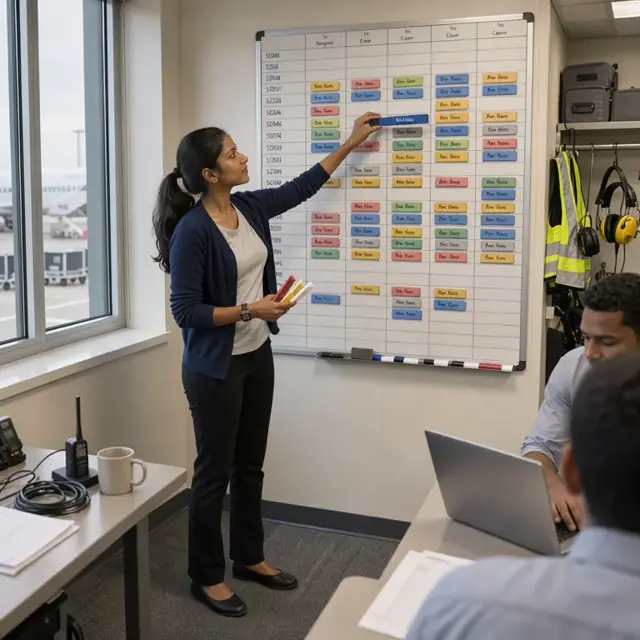
Aircraft and Crew Scheduler
Assign aircraft and qualified crew to the published flight schedule while respecting maintenance and duty limits.
Works in: Ambitious Sheets, Ambitious Tasks · Workflows: Aircraft and crew scheduling
Automates
- Matches available aircraft to the published flight schedule and maintenance due dates
- Respects crew duty-time, flight-time and rest requirements
- Incorporates aircraft routing, turn times, overnight stays and curfews
- Adjusts for maintenance downtime and regulatory inspections
- Produces the weekly flying schedule for operations
Stops for a person
- The chief pilot and director of maintenance review and approve the final schedule
- Any deviations from published times or aircraft assignments require operations director sign-off
Workflows
Cargo booking and validation
Starts when: A shipper submits a booking request by portal, email or direct message
- Capture shipment details including origin, destination, weight, dimensions, contents, special handling codes, temperature requirements and required service level
- Check against published flight schedule, available capacity on each leg, aircraft type and cut-off times
- Validate hazardous materials declarations, temperature-controlled or live-animal requirements against accepted commodity lists and packing instructions
- Calculate dimensional weight versus actual weight and apply correct chargeable weight
- Draft the air waybill, assign a unique tracking number and send a confirmation for approval
- Create a booking task linked to the correct flight segments
Watch for: Dimensional weight versus actual weight must be calculated correctly for every piece; Hazardous goods require specific UN numbers and packing instructions that only licensed personnel can finally accept
Flight load planning and weight balance
Starts when: 24 hours before scheduled departure or when booking volume reaches threshold
- Aggregate all booked cargo by flight, segment, pallet position and special-handling category
- Apply segregation rules for dangerous goods, temperature-controlled zones, live animals and priority shipments
- Run weight-and-balance calculations for the specific aircraft type and produce the load sheet
- Generate pallet build instructions, tie-down requirements and final cargo manifest
- Flag any overweight, out-of-balance or last-minute change conditions
Watch for: Aircraft center-of-gravity limits are strict and non-negotiable; Any last-minute additions or removals require full recalculation of the load
Pre-flight dispatch and documentation
Starts when: Four hours before scheduled departure
- Compile the final cargo manifest, air waybills, NOTOC and security declarations
- Coordinate with ground handling for pallet loading, aircraft servicing and fueling
- Prepare and file the flight plan, weight-and-balance summary and cargo documents with aviation authorities
- Release the final load plan and ramp instructions to ground supervisors
- Monitor weather, NOTAMs, airport delays and any required updates
Watch for: All documents must be filed and accepted before pushback; Customs and security filings have exact data format and timing requirements
In-flight and arrival tracking
Starts when: At scheduled departure and on each flight leg
- Record actual off-block, takeoff, landing and on-block times
- Monitor aircraft position, estimated arrival and any en-route status changes
- Send customer status updates and prepare arrival notifications for ground handlers
- Capture arrival confirmation, any discrepancies, damage or temperature excursions
- Log exceptions and trigger claims or rebooking tasks when needed
Watch for: Diversions or mechanical delays require immediate notifications to customers and regulators; Temperature-controlled cargo needs continuous monitoring alerts
Customs and regulatory filings
Starts when: Before international departure and on arrival
- Assemble export declaration, commercial invoice, certificate of origin and any required permits
- Submit electronic advance cargo information and other required declarations to destination authorities
- Track clearance status, any hold notifications and release messages
- Generate delivery release paperwork once cleared
- Archive all filings for the required retention period
Watch for: Each country has different data elements and lead times; The owner confirms which licenses and permits apply to each commodity
Invoicing and accounts receivable
Starts when: After delivery confirmation or on a weekly cadence for contract accounts
- Pull actual weight, volume, special handling and accessorial charges from the completed shipment record
- Apply contract rates, published tariffs, fuel surcharges and security fees
- Draft invoices with supporting air waybills and proof-of-delivery documents
- Send invoices through approved channels and track payment status
- Flag disputes, short-payments or claims for review
Watch for: Fuel surcharges and security fees fluctuate and must be calculated per flight; Contract customers require specific invoice formats and supporting paperwork
Aircraft and crew scheduling
Starts when: Weekly and after each schedule or maintenance change
- Match available aircraft to the published flight schedule and maintenance due dates
- Assign qualified crew to each leg while respecting flight-time and duty-time limits
- Incorporate aircraft routing, minimum turn times, overnight requirements and curfews
- Adjust for scheduled maintenance, regulatory inspections and downtime
- Produce the weekly flying schedule and distribute to operations
Watch for: Crew flight and duty limitations are strictly regulated; Aircraft maintenance and inspection cycles dictate availability
Bot templates for this industry
- Scheduled Freight Air Transportation (7 bots)
Source: U.S. Small Business Administration, Office of Size Standards, Table of Small Business Size Standards Matched to North American Industry Classification System Codes, version March 2023 (effective 2023-03-17, NAICS 2022). Size standards are shown for reference only.