

Line-Haul Railroads
Line-haul railroads operate long-distance freight trains between terminals, yards and interchanges. For an operator that moves bulk commodities, intermodal containers and carload freight on fixed schedules, the specialists turn customer requests and car orders into confirmed bookings, bookings into train consists and crew plans, and the consist into yard instructions, waybills and maintenance forecasts. Crew certification, track authority, hazmat documentation and FRA reporting stay with the railroad manager.
What makes this business different
- Customer car orders and intermodal bookings that must match exact origin, destination, commodity and equipment type
- Fixed train schedules with cut-off times, crew district limits and hours-of-service rules
- Train consists built from thousands of cars across multiple customers and commodities
- Locomotives, railcars and track assets tracked for availability, inspections and maintenance cycles
- Yard and terminal operations with switching, blocking and interchange handoffs
- Waybills, hazmat manifests, bill of lading and customs paperwork that must travel with each car
- Daily track authority, speed restrictions, work orders and FRA compliance logs
- Repeat shippers who tender weekly unit trains or regular carload volumes
Specialist bots
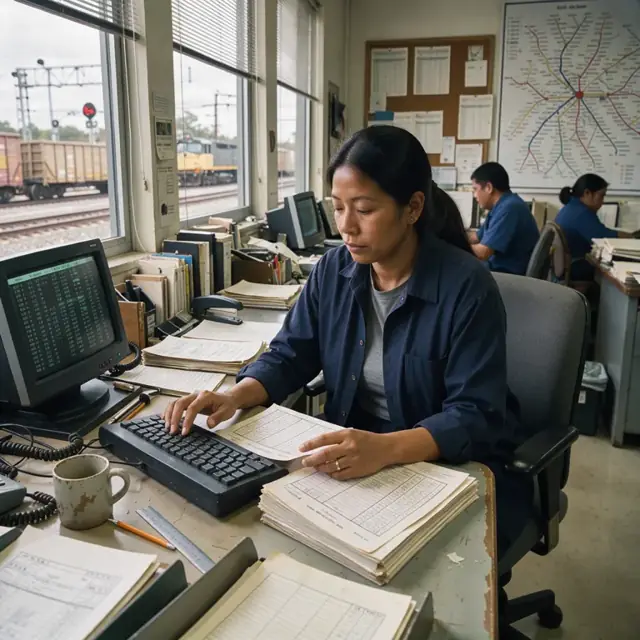
Booking Agent
Turn every shipper request into a confirmed booking with railroad-ready specifications.
Works in: Ambitious Tasks, Ambitious Docs, Email Buckets · Workflows: Customer order and car booking
Automates
- Reads incoming booking requests and EDI messages
- Captures commodity, equipment and routing details
- Checks schedule and equipment availability
- Drafts rate quotes and confirmations
- Creates the booking task
Stops for a person
- The railroad manager approves non-standard rates or hazmat moves
- A person sends final confirmations and handles billing exceptions

Train Consist Builder
Assemble each train's car sequence, blocks and manifests from booked orders.
Works in: Ambitious Tasks, Ambitious Docs, Process Optimizer · Workflows: Train consist and blocking plan
Automates
- Groups cars by destination and commodity
- Builds the full consist with weight and length calculations
- Applies hazmat placement rules
- Generates waybills and electronic manifests
Stops for a person
- The chief dispatcher reviews and approves each consist before departure
- Final manifests are verified by a person prior to transmission

Crew and Locomotive Dispatcher
Assign qualified crews and locomotives to trains while respecting federal work limits.
Works in: Ambitious Sheets, Ambitious Tasks, Process Optimizer · Workflows: Crew and locomotive assignment
Automates
- Matches crews to trains within hours-of-service windows
- Assigns locomotives based on inspection status
- Builds the daily crew board and call list
- Forecasts layover and deadhead moves
Stops for a person
- The railroad manager confirms all crew assignments
- Crew members personally acknowledge call and rest requirements

Yard and Terminal Coordinator
Plan switching, blocking and interchange moves to keep yards fluid.
Works in: Ambitious Tasks, Ambitious Docs, Ambitious Sheets · Workflows: Yard switching and terminal workflow
Automates
- Processes inbound consists and updates inventory
- Creates switching lists for outbound blocks
- Coordinates interchange handoffs with other railroads
- Tracks empty equipment release
Stops for a person
- Yard crews execute and report actual moves
- A person approves any changes to the switching plan

Asset Maintenance Planner
Forecast locomotive, railcar and track maintenance from usage data and inspection cycles.
Works in: Ambitious Sheets, Ambitious Tasks, Process Optimizer · Workflows: Asset maintenance and inspection planning
Automates
- Calculates remaining miles or days until next inspection
- Generates work orders and shop schedules
- Reserves track windows for maintenance
- Updates asset status after repairs
Stops for a person
- Mechanical officers approve all work orders and track possessions
- FRA inspection results are entered and certified by qualified personnel

Waybill and Compliance Document Clerk
Generate, attach and transmit all shipping documents and regulatory paperwork for each train.
Works in: Ambitious Docs, Ambitious Tasks, Contract Analyzer · Workflows: Waybill, manifest and compliance docs
Automates
- Pulls data from the consist to create waybills
- Attaches hazmat and customs forms
- Transmits electronic manifests
- Maintains document archive for each shipment
Stops for a person
- The shipper or railroad manager verifies critical commodity descriptions
- A person releases final documents for transmission
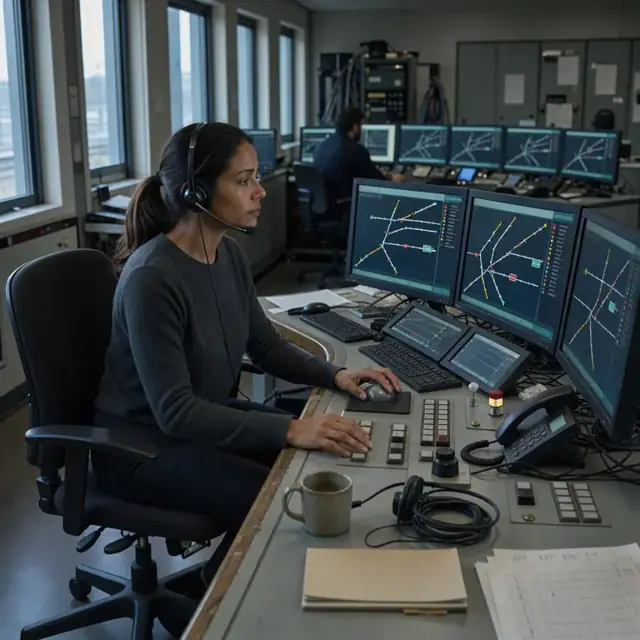
Train Dispatcher
Issue movement authorities, monitor trains and manage the operating plan in real time.
Works in: Ambitious Tasks, Ambitious Docs, Process Optimizer · Workflows: Train dispatch and movement authority
Automates
- Generates track warrants and authorities
- Monitors train locations against schedule
- Issues bulletins and slow orders
- Logs all authorities and communications
Stops for a person
- Only a certified dispatcher issues authorities
- Field crews and signal maintainers confirm receipt and understanding in person or by radio
Workflows
Customer order and car booking
Starts when: A shipper requests cars, containers or train space by EDI, email or portal
- Capture origin, destination, commodity, equipment type, quantity and requested dates
- Check against available cars, locomotives and published train schedules
- Confirm cut-off times and any special handling or hazmat requirements
- Draft the rate quote and booking confirmation
- Create a booking task with a railroad-ready consist spec
Watch for: Commodity and hazmat details must be captured exactly as declared; Bookings after cut-off roll to the next available train unless the dispatcher approves
Train consist and blocking plan
Starts when: Daily cut-off for each scheduled departure
- Lock the booked cars for the train
- Group cars by destination block, weight and hazmat separation rules
- Build the train consist: locomotive assignment, car sequence, tonnage and length
- Flag cars needing special placement or inspection
- Generate waybills, manifests and electronic train lists
Watch for: Track and siding length limit each train; Hazmat and incompatible commodities require specific blocking
Crew and locomotive assignment
Starts when: Daily and weekly
- Match available crews to train starts within hours-of-service and district limits
- Assign locomotives by horsepower, fuel status and inspection due dates
- Draft the crew board and call list
- Forecast deadhead and layover needs
- Update crew and locomotive availability after each trip
Watch for: Federal hours-of-service and rest requirements are strict; Locomotive maintenance cycles must not be exceeded
Yard switching and terminal workflow
Starts when: Arrival of inbound trains and daily yard schedule
- Receive inbound consist and update car inventory
- Plan switching moves to build outbound blocks
- Coordinate with connecting railroads at interchange points
- Release empty cars and containers to customers or storage
- Log all yard moves, inspections and repairs
Watch for: Yard tracks have fixed capacity and must stay fluid; Interchange handoffs require precise documentation
Asset maintenance and inspection planning
Starts when: Weekly and on mileage or calendar triggers
- Pull locomotive, railcar and track mileage and inspection data
- Forecast upcoming maintenance, FRA inspections and repairs
- Draft work orders and schedule track windows
- Track parts and shop capacity
- Update asset status after completion
Watch for: FRA-mandated inspection intervals cannot be missed; Track slow orders affect train routing
Waybill, manifest and compliance docs
Starts when: Before each train departure and on interchange
- Generate waybills and shipping documents from the consist
- Attach required hazmat, customs and commercial invoices
- Transmit electronic manifests to connecting carriers and regulators
- File copies for audit and claims
- Track document status until delivery
Watch for: Documents must travel with the train or be available electronically at all times; Customs and international shipments add extra layers
Train dispatch and movement authority
Starts when: Prior to and during each train movement
- Issue track authority, warrants or signals for each segment
- Monitor train location and progress against the schedule
- Issue slow orders, work zone protections and emergency bulletins
- Coordinate meets, passes and route changes
- Log all authorities and incidents
Watch for: Dispatcher authority is absolute and must follow operating rules; Real-time communication with crews is required
Bot templates for this industry
- Line-Haul Railroads (7 bots)
Source: U.S. Small Business Administration, Office of Size Standards, Table of Small Business Size Standards Matched to North American Industry Classification System Codes, version March 2023 (effective 2023-03-17, NAICS 2022). Size standards are shown for reference only.