

Short Line Railroads
Short line railroads operate local freight routes, interchange with Class I carriers, and manage car movements, track maintenance and customer shipments. Specialists turn customer requests into switching plans, build daily switch lists and manifests, schedule track work around train movements, track car locations and repairs, and prepare interchange paperwork while the railroad team handles all safety, mechanical inspections and FRA compliance decisions.
What makes this business different
- Customer car orders that require precise placement on specific spurs or sidings
- Daily switching windows coordinated with Class I railroad arrival and departure times
- Maintenance of way windows that cannot conflict with revenue train movements
- Car hire, demurrage and storage billing based on exact arrival, placement and release times
- Track, bridge and signal inspections with FRA-mandated frequency and documentation
- Interchange reports, wheel reports and hazmat documentation that must match physical cars
- Seasonal spikes in agricultural, energy or forest products traffic
Specialist bots
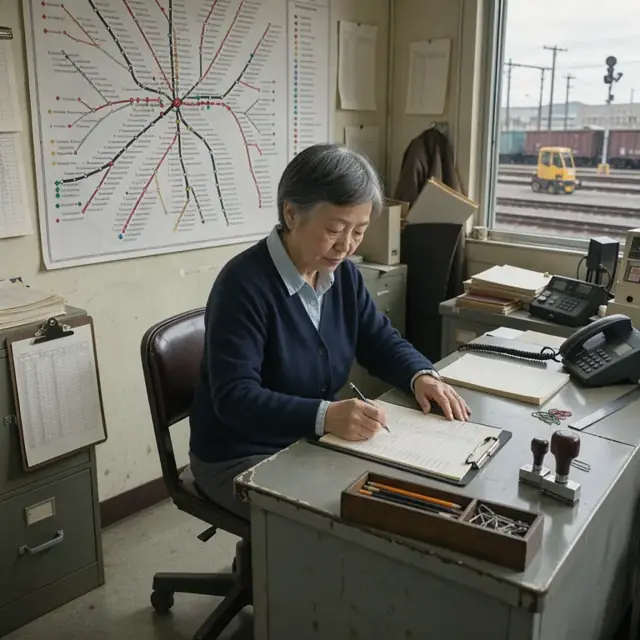
Customer Order Intake Clerk
Convert every customer car request into a confirmed placement order and switch-list entry.
Works in: Ambitious Tasks, Ambitious Docs, Ambitious Sheets · Workflows: Customer car order intake
Automates
- Reads incoming requests from email, EDI and forms
- Checks car availability and siding capacity
- Verifies requested dates against the daily switch schedule
- Drafts order confirmations
- Adds the move to the pending switch list
Stops for a person
- The trainmaster approves any out-of-window or hazardous moves
- A person sends all customer confirmations and negotiates changes

Daily Switch List Planner
Build each day's switch list, consist and interchange documents from pending orders.
Works in: Ambitious Tasks, Process Optimizer, Ambitious Docs · Workflows: Daily switch list and manifest creation
Automates
- Sequences all pick-ups and set-outs for minimal travel
- Creates the crew switch list and wheel report
- Generates manifests and interchange paperwork
- Flags cars with restrictions or defects
Stops for a person
- The conductor and engineer review and may adjust the switch order
- All interchange documents are checked by a qualified person before transmission

Track Maintenance Coordinator
Schedule maintenance-of-way work in windows that do not conflict with train operations.
Works in: Ambitious Sheets, Ambitious Tasks · Workflows: Track and bridge maintenance window scheduling
Automates
- Reviews inspection findings and defect lists
- Finds safe windows between scheduled trains
- Builds work-zone protection plans
- Notifies customers and connecting railroads of outages
Stops for a person
- The roadmaster and trainmaster approve every work window
- Track crews perform and document all inspections

Railcar Tracking and Billing Clerk
Maintain real-time car locations, repair status and calculate all demurrage and car-hire charges.
Works in: Ambitious Sheets, Ambitious Tasks, Ambitious Docs · Workflows: Railcar location, repair and billing
Automates
- Updates car locations on arrival, placement and release
- Flags mechanical defects and creates repair orders
- Calculates storage and demurrage days per customer
- Prepares monthly billing packages
Stops for a person
- The mechanical foreman confirms repair status and release
- All invoices and charges are reviewed by the owner before sending

Interchange and Compliance Specialist
Prepare accurate waybills, manifests, EDI messages and regulatory reports for every interchange.
Works in: Ambitious Docs, Contract Analyzer, Ambitious Sheets · Workflows: Interchange paperwork and regulatory reporting, Inspection logging and permit tracking
Automates
- Matches physical cars to switch lists and wheel reports
- Generates shipping documents and EDI files
- Prepares required monthly and quarterly reports
- Tracks inspection and repair due dates for locomotives and cars
- Generates daily inspection checklists
Stops for a person
- A qualified employee verifies all hazmat and interchange documents
- The railroad team confirms every regulatory requirement before filing
- All inspection logs receive final sign-off from qualified personnel
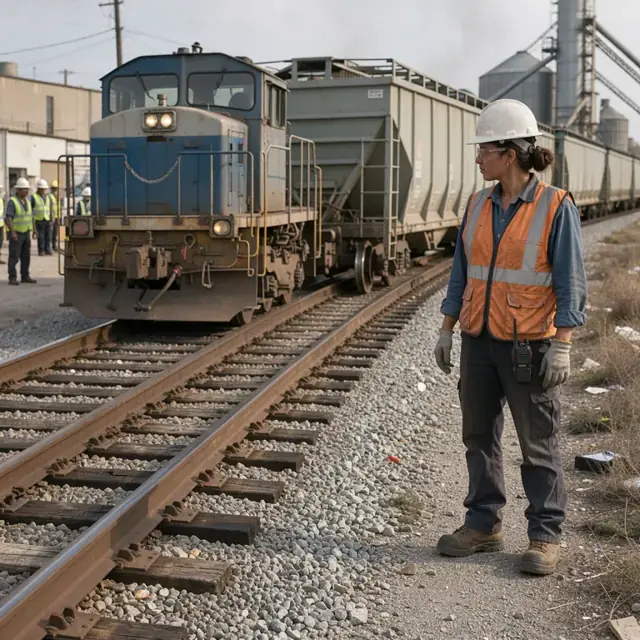
Seasonal Traffic Planner
Forecast seasonal car needs, coordinate with Class I partners and adjust capacity plans.
Works in: Ambitious Sheets, Process Optimizer, Ambitious Tasks · Workflows: Seasonal and surge traffic planning
Automates
- Projects volumes based on historical patterns and contracts
- Suggests additional car supply and power requirements
- Adjusts maintenance windows around peak traffic
- Creates customer storage and capacity alerts
Stops for a person
- The general manager approves all capacity and pricing decisions
- All agreements with connecting railroads are reviewed and signed by people
Workflows
Customer car order intake
Starts when: A customer requests empty or loaded car placement by phone, email or EDI
- Capture car type, quantity, commodity, origin, destination and requested placement date
- Check against available cars on the system and track capacity at the requested spur
- Confirm against the daily switching schedule and Class I connection windows
- Create a placement task and draft confirmation to the customer
- Add the order to the next available switch list
Watch for: Specific siding lengths and weight limits must be respected; Hazardous materials require special routing and documentation
Daily switch list and manifest creation
Starts when: Each morning before the switch job departs the yard
- Pull all new customer orders and releases for the day
- Sequence moves to minimize travel distance and meet customer placement times
- Build the switch list showing pick-ups, set-outs, and pull order
- Generate the consist and wheel report for the crew
- Draft interchange documents for cars moving to or from the Class I railroad
Watch for: Switching must respect track curvature, grade and clearance limits; Cars with bad order tags cannot be moved until repaired
Track and bridge maintenance window scheduling
Starts when: Weekly and when defects are reported
- Review inspection reports and defect lists
- Identify track segments available between train movements
- Build a maintenance-of-way schedule and work zones
- Notify customers and the Class I railroad of outages
- Create safety briefing documents and flag protection plans
Watch for: FRA track classes dictate inspection frequency and speed restrictions; All maintenance windows require formal authority and protection
Railcar location, repair and billing
Starts when: On car arrival, release, or when bad order is reported
- Record each car's physical location and status in the system
- Flag cars needing mechanical attention and create repair tasks
- Calculate demurrage and car-hire days for each customer
- Draft monthly billing summaries by customer and commodity
- Prepare EDI 404 and 417 messages for Class I interchange
Watch for: Accurate arrival and departure times determine all charges; Repair records must be kept for each car's maintenance history
Interchange paperwork and regulatory reporting
Starts when: At each interchange event and on mandated reporting dates
- Match physical cars to the switch list and wheel report
- Generate waybills, manifests and hazmat shipping papers
- Prepare monthly 1B, 1C and quarterly reports for regulators
- Track locomotive and railcar inspection due dates
- Maintain defect and incident logs
Watch for: All documents must exactly match the physical consist; The railroad team confirms every safety and regulatory requirement
Seasonal and surge traffic planning
Starts when: Quarterly and when large contracts or harvests are announced
- Forecast car supply needs for upcoming peaks
- Coordinate with Class I partners for additional power and crews
- Adjust track maintenance windows around expected volumes
- Draft capacity alerts and storage plans for customers
- Update switching routes for temporary high-volume spurs
Watch for: Grain, lumber, ethanol and aggregate traffic vary sharply by season; Storage tracks have finite capacity and must be rotated
Inspection logging and permit tracking
Starts when: Daily before operations and on inspection due dates
- Generate daily pre-trip equipment and track inspection checklists
- Log completed inspections from field entries including FRA Form F6180.4 equivalents
- Track renewal dates for track permits, bridge ratings, and locomotive certifications
- Flag any defects that require slow orders or speed restrictions
- Compile supporting documentation for any regulatory filings
Watch for: FRA track classes dictate inspection frequency and speed restrictions; All logs and forms must be signed off by qualified railroad personnel
Bot templates for this industry
- Short Line Railroads (6 bots)
Source: U.S. Small Business Administration, Office of Size Standards, Table of Small Business Size Standards Matched to North American Industry Classification System Codes, version March 2023 (effective 2023-03-17, NAICS 2022). Size standards are shown for reference only.