

Deep Sea Freight Transportation
Deep sea freight transportation companies move bulk and containerized cargo on ocean-going vessels between international ports. For an operator that books cargo, loads vessels, sails fixed routes and discharges at destination ports, the specialists turn booking requests into confirmed cargo plans, cargo plans into vessel schedules and load lists, and schedules into arrival notices and documentation. Voyage planning, stability calculations and regulatory filings remain with the captain and shoreside marine superintendent.
What makes this business different
- International bookings with specific cargo types, volumes, weights, hazardous declarations and special handling needs that must match exactly at load port
- Fixed or semi-fixed sailing schedules with cutoff dates for each voyage
- Vessel capacity planning across multiple holds, decks and container slots while maintaining stability and trim
- Perishable or time-sensitive cargo that requires reefer monitoring, temperature logs and just-in-time coordination with connecting inland carriers
- Port-specific permits, customs declarations, bills of lading, manifests and safety certificates that must be filed before sailing
- Tracking of vessel position, weather routing, bunkers, crew changes and maintenance while at sea
- Repeat shippers who book regular lanes and require rate quotes, contract renewals and proof of delivery
Specialist bots

Booking Coordinator
Turn every shipper request into a confirmed booking with complete cargo specifications.
Works in: Ambitious Tasks, Ambitious Docs, Email Buckets · Workflows: Booking intake and confirmation
Automates
- Reads incoming booking requests and extracts cargo details
- Checks sailing schedule and slot availability
- Verifies hazardous declarations and special requirements
- Drafts booking confirmation and required document list
- Creates the cargo task for load planning
Stops for a person
- The marine superintendent approves non-standard cargo or rate exceptions
- Hazardous cargo declarations are reviewed by a qualified person
- A person sends the final booking confirmation and handles payment terms
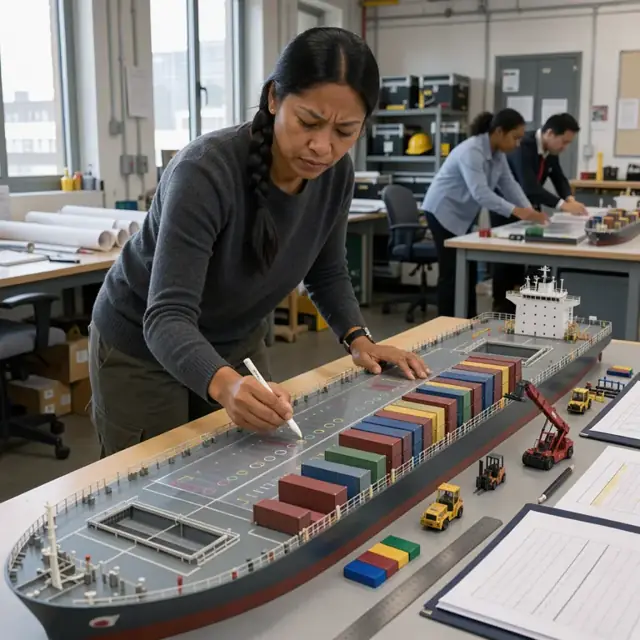
Voyage and Stowage Planner
Convert confirmed bookings into a safe and efficient vessel stowage and load plan.
Works in: Process Optimizer, Ambitious Sheets, Ambitious Docs · Workflows: Voyage and load planning
Automates
- Groups cargo by discharge port and handling requirements
- Builds preliminary stowage plan respecting stability limits
- Places hazardous, reefer and heavy-lift cargo in approved locations
- Generates load lists and draft manifests
Stops for a person
- The captain reviews and approves the final stowage plan
- Stability calculations are verified by the marine superintendent before sailing

Documentation and Regulatory Clerk
Assemble, draft and file all export, import and regulatory documents for each voyage.
Works in: Ambitious Docs, Ambitious Tasks, Contract Analyzer · Workflows: Export documentation and regulatory filings
Automates
- Compiles shipper documents into complete sets
- Drafts bills of lading and manifests
- Prepares electronic filings for customs and security programs
- Tracks missing documents and sends reminders
Stops for a person
- The marine superintendent approves all final documents before filing
- A qualified person reviews hazardous cargo declarations
- People handle any corrections or amendments

Vessel Operations Monitor
Track vessel position, weather and operations while coordinating with ports and agents.
Works in: Ambitious Tasks, Ambitious Sheets, Email Buckets · Workflows: Vessel operations and monitoring
Automates
- Monitors AIS and satellite position reports
- Compares actual versus planned speed and bunker use
- Drafts status updates for cargo interests
- Schedules agent services at next ports
Stops for a person
- The captain decides on route changes due to weather
- The owner approves any deviation or extra port costs
- All stakeholder messages are reviewed before sending

Discharge and Delivery Coordinator
Manage arrival notifications, discharge plans and handover to consignees or inland carriers.
Works in: Ambitious Tasks, Ambitious Docs, Email Buckets · Workflows: Arrival, discharge and delivery coordination
Automates
- Sends pre-arrival notices to consignees
- Transmits discharge lists to terminals
- Prepares release and delivery documentation
- Tracks cargo from vessel to final handover
Stops for a person
- The marine superintendent approves final release documents
- Any damage or shortage reports are reviewed by claims personnel
- People handle negotiations with terminals on demurrage

Freight Billing Specialist
Generate accurate freight invoices, apply charges and track collections for each voyage.
Works in: Ambitious Sheets, Ambitious Docs, Ambitious Tasks · Workflows: Freight billing and settlement
Automates
- Calculates freight and accessorial charges from bookings
- Generates invoices and supporting manifests
- Reconciles payments received
- Issues proof of delivery documents
Stops for a person
- The owner approves any rate adjustments or settlement discounts
- A person sends final invoices and follows up on past-due accounts
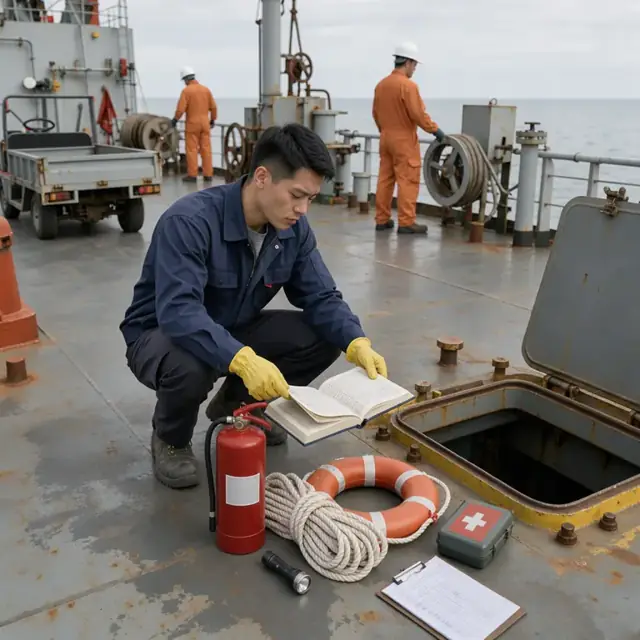
Regulatory Compliance Officer
Maintain vessel certificates, generate safety checklists and track regulatory deadlines for each sailing.
Works in: Ambitious Tasks, Ambitious Sheets, Ambitious Docs · Workflows: Regulatory compliance and vessel certification
Automates
- Generates pre-sailing safety checklists
- Tracks certificate and insurance expiration dates
- Logs ballast water and emissions data
- Prepares audit documentation packages
Stops for a person
- The captain and marine superintendent confirm which requirements apply to each voyage
- All filings and corrective actions are performed by qualified people
- The bot never certifies compliance
Workflows
Booking intake and confirmation
Starts when: A shipper submits a booking request by email, portal or direct message
- Capture cargo description, volume, weight, origin port, destination port, requested sailing date and special requirements
- Check availability against vessel schedule and slot allocations
- Verify hazardous material declarations, reefer set points or out-of-gauge dimensions against vessel capabilities
- Draft booking confirmation with rate, cutoff dates and required documents
- Create a cargo task with all specifications for load planning
Watch for: Hazardous cargo must be captured with exact UN numbers and MSDS references; Bookings after the sailing cutoff roll to the next available voyage unless the marine superintendent approves
Voyage and load planning
Starts when: Seven days before each scheduled sailing or when vessel is confirmed
- Lock the booking list for the voyage
- Group cargo by port of discharge, container type, hazardous class and special stowage needs
- Build a preliminary stowage plan that respects vessel stability, trim and stress limits
- Flag temperature-controlled, dangerous or heavy-lift cargo for priority or segregated placement
- Generate draft bills of lading, cargo manifests and load lists
Watch for: Vessel deadweight, cubic capacity and stability calculations constrain each voyage; Port rotation and expected weather windows affect loading sequence
Export documentation and regulatory filings
Starts when: After booking confirmation and again 48 hours before sailing
- Assemble shipper-supplied commercial invoices, packing lists and certificates of origin
- Draft bills of lading, export declarations and hazardous cargo manifests
- Submit pre-arrival notifications to destination port and customs authorities
- Track outstanding documents and chase shippers
- File ISF, AMS and other security filings where required
Watch for: Each country maintains different documentary and electronic filing requirements; The marine superintendent must approve all final filings before transmission
Vessel operations and monitoring
Starts when: Daily while vessel is at sea or in port
- Monitor vessel position reports, weather routing and ETA updates
- Track bunker consumption, speed and any deviation from voyage plan
- Coordinate with port agents for berthing, pilotage, stevedoring and customs clearance
- Update cargo stakeholders with status and any delays
- Log any incidents or cargo care issues
Watch for: Real-time satellite and AIS data must be reconciled with reported positions; Crew changes, stores and maintenance must be arranged at specific ports
Arrival, discharge and delivery coordination
Starts when: 48 hours before vessel arrival at discharge port
- Notify consignees and notify party of arrival window
- Transmit discharge lists and container status to terminal and inland carriers
- Prepare import declarations and release documentation
- Track cargo from vessel discharge through gate-out or rail handover
- Record any damage, short-landing or temperature excursions
Watch for: Demurrage and detention clocks begin immediately upon arrival; Cold chain or hazardous cargo requires continuous monitoring until handover
Freight billing and settlement
Starts when: After sailing and again after delivery
- Generate freight invoices from confirmed bookings and any surcharges
- Apply demurrage, detention or accessorial charges where applicable
- Reconcile payments against invoices
- Issue proof of delivery and release final documents
- Track outstanding accounts
Watch for: Currency conversion, letters of credit and bank releases must be handled precisely; Only the owner approves final rate adjustments or settlements
Regulatory compliance and vessel certification
Starts when: On fixed calendar dates, before each sailing and upon port state inspections
- Generate pre-sailing safety and security checklists
- Track expiration dates for vessel certificates, crew certifications, insurance and load line certificates
- Maintain logs for ballast water, waste management and emissions reporting
- Prepare documentation packages for port state control and flag state audits
- Update cargo segregation and handling procedures to match current IMDG and IMSBC codes
Watch for: International, flag state and port state rules change by route and vessel type; The captain and marine superintendent confirm which requirements apply to each voyage
Bot templates for this industry
- Deep Sea Freight Transportation (7 bots)
Source: U.S. Small Business Administration, Office of Size Standards, Table of Small Business Size Standards Matched to North American Industry Classification System Codes, version March 2023 (effective 2023-03-17, NAICS 2022). Size standards are shown for reference only.