

Deep Sea Passenger Transportation
Deep sea passenger transportation companies operate ocean-going vessels that carry passengers on scheduled or chartered voyages between distant ports. For a line running multi-day transoceanic crossings with cabins, meals and excursions, the specialists turn booking requests into confirmed reservations with manifests, manifests into voyage provisioning and crew schedules, and port calls into coordinated docking, inspections and passenger transfers. Navigation, safety drills, stability calculations and regulatory filings stay with the captain and marine operations team.
What makes this business different
- International passenger manifests that must match passports, visas and health declarations exactly
- Fixed sailing schedules with strict departure windows dictated by tides, pilotage and port slots
- Voyage provisioning for hundreds of passengers and crew across multiple days at sea
- Vessel assets including lifeboats, tenders, navigation systems and hotel equipment that require periodic inspections and certifications
- Coordination with port authorities for berthing, bunkering, waste discharge and customs clearance
- Maritime compliance paperwork including SOLAS logs, stability book updates, crew certificates and flag-state requirements
- Repeat passengers who book signature voyages, loyalty programs and group events
Specialist bots
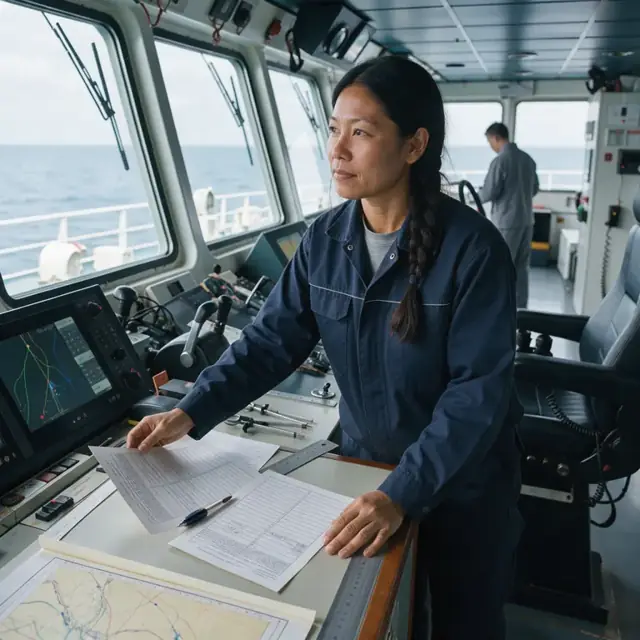
Reservation Agent
Turn every booking request into a confirmed reservation with accurate passenger details and linked manifest record.
Works in: Ambitious Tasks, Ambitious Docs, Email Buckets · Workflows: Booking intake and reservation confirmation
Automates
- Reads incoming booking messages and forms
- Captures names, cabin preferences, dietary needs and travel document details
- Checks availability and sailing requirements
- Calculates fares and drafts confirmations
- Creates the reservation task for manifest inclusion
Stops for a person
- A person approves special requests that affect pricing or capacity
- The marine operations team verifies complex travel document requirements
- A person sends final confirmations and processes payments

Voyage Provisioning Coordinator
Convert confirmed passenger counts and voyage length into precise stores orders while maintaining vessel inventory par levels.
Works in: Ambitious Sheets, Ambitious Tasks, Ambitious Docs · Workflows: Voyage provisioning and stores ordering
Automates
- Calculates food, beverage and hotel supply needs by passenger class
- Subtracts current onboard stock from requirements
- Drafts purchase orders by port supplier
- Schedules loading times to match port access windows
Stops for a person
- The captain or chief steward approves final provisioning quantities
- A person places orders and authorizes expenditures
- Customs compliance for loaded goods is confirmed by the crew

Crew Scheduler
Assign certified crew to positions, build watch schedules and manage rotation to meet manning and rest requirements.
Works in: Ambitious Tasks, Ambitious Sheets, Process Optimizer · Workflows: Crew assignment and watch scheduling
Automates
- Matches crew certificates to required positions for each voyage
- Builds bridge, engine and hotel watch schedules
- Tracks hours of rest and flags violations of maritime labor rules
- Drafts crew travel and joining instructions
Stops for a person
- The captain reviews and approves all watch schedules
- A person confirms crew medical fitness and contract terms
- Any relief crew hires are authorized by marine operations

Port Call Coordinator
Coordinate berthing, pilotage, bunkering and clearance paperwork for every port on the itinerary.
Works in: Ambitious Tasks, Ambitious Docs, Email Buckets · Workflows: Port call and berthing coordination
Automates
- Submits notices to port authorities and agents
- Confirms berth and pilot assignments
- Drafts clearance manifests and excursion schedules
- Updates arrival and departure times in the master itinerary
Stops for a person
- The captain approves changes to arrival times or berthing plans
- A person communicates directly with port agents and authorities
- Environmental and waste discharge permissions are signed by the master

Safety and Compliance Clerk
Maintain pre-departure safety checklists, track inspection due dates and compile required maritime logs and filings.
Works in: Ambitious Tasks, Ambitious Docs, Ambitious Sheets · Workflows: Safety drills, inspections and log management
Automates
- Generates daily and pre-departure safety checklists
- Schedules and records mandatory drills
- Tracks due dates for vessel inspections and certificates
- Compiles log entries and prepares inspection packages
Stops for a person
- The captain reviews and signs all checklists and logs
- People conduct physical inspections and drills
- The owner confirms which flag-state and port requirements apply
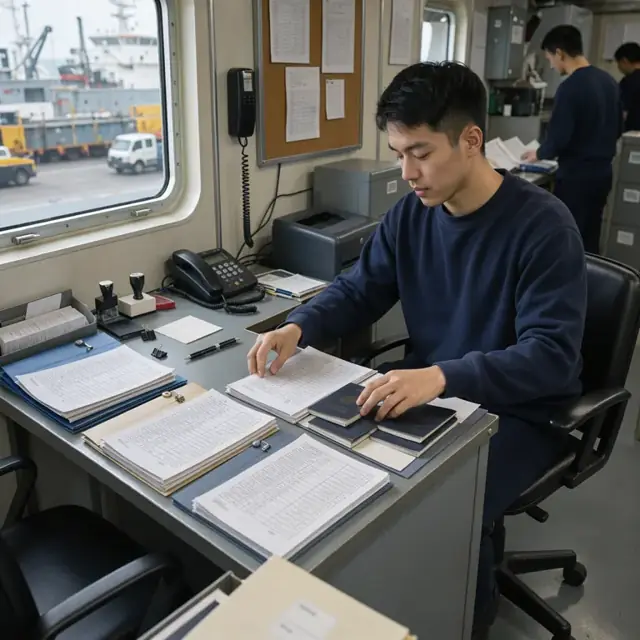
Manifest and Clearance Specialist
Compile and reconcile final passenger and crew manifests and prepare all departure clearance documentation.
Works in: Ambitious Docs, Ambitious Tasks, Contract Analyzer · Workflows: Passenger manifest and departure clearance
Automates
- Merges booking data into the final manifest
- Cross-checks against travel document requirements
- Drafts general declarations and passenger lists
- Generates boarding documents and updates the captain's copy
Stops for a person
- The captain and marine operations team approve the final manifest
- A person submits official documents to authorities
- Any last-minute changes are verified by a person

Guest Relations and Rebooking Host
Send post-voyage communications, gather feedback and prompt past passengers to book future sailings.
Works in: Ambitious Tasks, Ambitious Docs, Email Buckets · Workflows: Post-voyage feedback and rebooking
Automates
- Drafts personalized thank-you messages and survey links
- Identifies repeat guests and preferred itineraries
- Drafts targeted rebooking offers and loyalty reminders
- Updates preference profiles for future voyages
Stops for a person
- The owner or marketing lead approves every outbound message and offer
- A person reviews survey responses for immediate follow-up
- Sensitive passenger notes are handled only by authorized staff
Workflows
Booking intake and reservation confirmation
Starts when: A customer submits a booking request by form, email or direct message
- Capture passenger names, cabin category, sailing date, meal preferences and special requests
- Check availability against the vessel's capacity and sailing manifest
- Verify passport, visa and health declaration requirements for the itinerary
- Calculate fares including port fees, taxes and onboard credits
- Draft the booking confirmation and payment request
- Create a reservation record linked to the voyage manifest
Watch for: Passenger data must match travel documents exactly to avoid port denials; Bookings close weeks before departure for manifest finalization and security screening
Voyage provisioning and stores ordering
Starts when: Four weeks before each scheduled sailing
- Explode confirmed bookings into passenger counts by cabin class and dietary needs
- Build a provisioning list for food, beverages, linens, medical supplies and hotel amenities
- Subtract current vessel inventory from the list
- Draft purchase orders by supplier at each departure port
- Schedule delivery windows to align with loading crews and port access
Watch for: Perishable stores must be loaded within hours of departure; Customs and biosecurity rules govern what can be loaded in each country
Crew assignment and watch scheduling
Starts when: Six weeks before each voyage and on crew rotation dates
- Match certified crew to required positions for the voyage length
- Build bridge, engine room, hotel and safety watch schedules
- Check certificates of competency, medical fitness and flag-state compliance
- Draft crew contracts and travel arrangements to join the vessel
- Flag any gaps for relief crew or agency hires
Watch for: International maritime labor rules limit hours of rest and require minimum manning; Crew changes must align with port calls and immigration clearance
Port call and berthing coordination
Starts when: Two weeks before arrival at each port of call
- Submit required notices to port authorities, agents and pilots
- Confirm berth assignment, bunkering slot and waste discharge permissions
- Coordinate tender or gangway operations for passenger excursions
- Draft passenger and crew clearance manifests for customs and immigration
- Update the daily itinerary with exact arrival and departure times
Watch for: Port slots and pilotage are booked months ahead and cannot be changed without penalty; Environmental discharge logs must be ready for inspection on arrival
Safety drills, inspections and log management
Starts when: Before each sailing and on regulatory due dates
- Generate the pre-departure safety checklist including lifeboat inspection, fire equipment and stability calculations
- Schedule and log mandatory drills for passengers and crew
- Track inspection due dates for hull, machinery, life-saving appliances and radio equipment
- Compile the voyage data recorder summary and deck log entries
- Prepare documentation for flag-state or port-state control inspections
Watch for: SOLAS, MARPOL and STCW requirements differ by vessel flag and route; The captain confirms all logs and calculations before departure
Passenger manifest and departure clearance
Starts when: 72 hours before departure and again at 24 hours
- Compile final passenger and crew list from all bookings and changes
- Cross-check against security screening and health declaration databases
- Draft the general declaration and passenger list for port authorities
- Generate cabin assignments and boarding passes
- Send the final manifest to the captain, agents and relevant authorities
Watch for: Late changes must be reconciled with security and immigration systems; Any discrepancies halt departure clearance until resolved by the master
Post-voyage feedback and rebooking
Starts when: Day after disembarkation and on seasonal cadences
- Draft personalized thank-you messages with voyage photos or certificates
- Send satisfaction surveys focused on cabin, dining and excursion experiences
- Identify repeat guests and draft targeted offers for future sailings
- Update loyalty profiles with preferences and special occasions
- Draft group and charter proposals for travel agents
Watch for: All outbound communications require owner or marine operations approval before sending; Passenger medical or accessibility notes must be retained only as long as permitted
Bot templates for this industry
- Deep Sea Passenger Transportation (7 bots)
Source: U.S. Small Business Administration, Office of Size Standards, Table of Small Business Size Standards Matched to North American Industry Classification System Codes, version March 2023 (effective 2023-03-17, NAICS 2022). Size standards are shown for reference only.