

Coastal and Great Lakes Freight Transportation
Vessel operators move bulk and breakbulk cargo along coasts and across the Great Lakes using barges, self-unloaders and tankers. For an operator that hauls aggregates, steel, grain, salt and liquid cargoes on scheduled or spot voyages, the specialists turn cargo bookings into load plans, load plans into voyage schedules and manifests, schedules into crew assignments and fuel orders, and track regulatory filings, vessel maintenance and cargo claims. Navigational safety, draft restrictions, lock schedules and cargo-specific securing stay with the captain and port captain.
What makes this business different
- Cargo bookings with exact commodity, tonnage, load and discharge ports, laydays and demurrage terms
- Vessel scheduling around lock transits, channel depths, weather windows and seasonal ice on the Great Lakes
- Draft and air-draft restrictions that change with water levels and tides
- Bulk cargo hold preparation, cleaning, ventilation and securing requirements that differ by commodity
- Regulatory filings including manifests, bills of lading, customs entries, Coast Guard notices and ballast-water reports
- Vessel maintenance tracking, dry-docking cycles, crew certifications and insurance renewals
- Fuel and lube purchases timed to port calls, with bunkering permits and fuel-quality records
- Repeat shippers who book annual contracts for aggregates, salt or grain movements
Specialist bots

Cargo Booking Coordinator
Turn shipper inquiries into confirmed bookings and voyage tasks with all commodity and layday details.
Works in: Ambitious Tasks, Ambitious Docs, Contract Analyzer · Workflows: Cargo booking and contract intake
Automates
- Reads incoming freight inquiries and contract offers
- Extracts commodity, tonnage, ports and laycan dates
- Checks against current vessel schedule and draft limits
- Drafts booking confirmation and charter terms
- Creates the cargo task for hold preparation
Stops for a person
- The port captain approves all fixtures and special cargo requirements
- A person reviews and sends all contract documents
- The captain confirms laycan feasibility

Voyage Scheduler
Build voyage sequences that respect lock schedules, water levels, tides and weather windows.
Works in: Ambitious Sheets, Ambitious Tasks · Workflows: Voyage scheduling and route planning
Automates
- Plots port rotations against current water-level data
- Incorporates lock and canal transit times
- Calculates estimated arrivals and drafts
- Flags tide-critical ports
- Drafts the preliminary voyage timeline
Stops for a person
- The captain reviews and approves every voyage plan
- Weather routing changes are decided by the master

Hold Preparation Coordinator
Generate hold-cleaning checklists and inspection reports based on previous and next cargo.
Works in: Ambitious Tasks, Ambitious Docs, Ambitious Sheets · Workflows: Vessel preparation and hold readiness
Automates
- Selects cleaning method from previous cargo
- Creates the pre-load hold inspection checklist
- Lists required dunnage and securing gear
- Prepares survey report template
Stops for a person
- The chief mate performs and signs the actual inspection
- The port captain approves cleaning completed
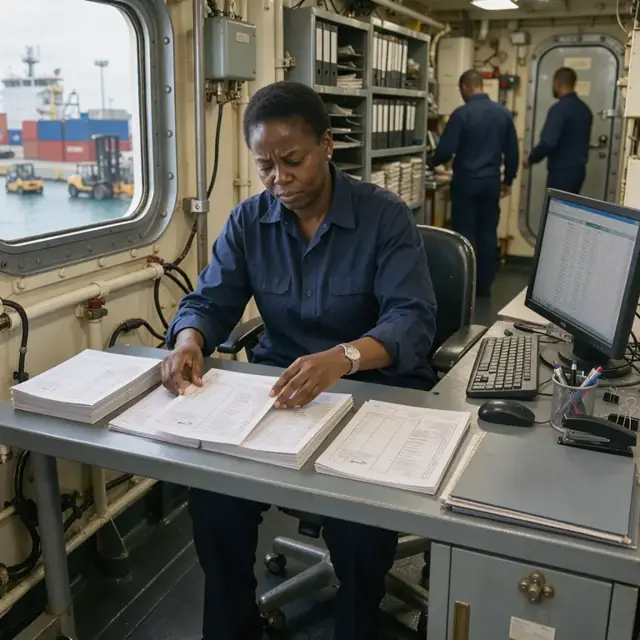
Regulatory Compliance Clerk
Compile manifests, prepare regulatory filings and track required notices before departure.
Works in: Ambitious Docs, Ambitious Tasks, Contract Analyzer · Workflows: Cargo manifest and regulatory filings
Automates
- Assembles cargo manifest from bills of lading
- Prepares ballast-water and customs declarations
- Drafts electronic notices for Seaway or Coast Guard
- Transmits manifest to agents after approval
Stops for a person
- The captain reviews all filings before submission
- A person confirms commodity classifications and files official documents
- People handle any agency inspections

Crew Assignment Coordinator
Assign crew to voyages, track certifications and prepare crew lists for each port.
Works in: Ambitious Tasks, Ambitious Sheets, Ambitious Docs · Workflows: Crew assignment and certification tracking
Automates
- Matches crew to rotation and vessel manning needs
- Flags expiring licenses and medical certificates
- Drafts travel and boarding instructions
- Generates crew lists for each arrival
Stops for a person
- The port captain approves all crew changes
- Union representatives review rotations
- A person handles actual travel arrangements

Fuel and Stores Procurement Specialist
Calculate voyage fuel needs, draft bunker orders and track fuel inventory across the fleet.
Works in: Ambitious Sheets, Ambitious Tasks, Ambitious Docs · Workflows: Fuel and stores procurement
Automates
- Estimates consumption for each leg
- Drafts bunker requisitions by grade and port
- Tracks remaining bunkers and days on hand
- Coordinates delivery windows with agents
Stops for a person
- The owner approves all fuel purchases and expenditures
- The chief engineer reviews fuel quality and sampling procedures
- A person signs bunker delivery notes

Vessel Maintenance Coordinator
Track maintenance due dates, dry-docking schedules and prepare repair specifications for the fleet.
Works in: Ambitious Tasks, Ambitious Sheets, Process Optimizer · Workflows: Vessel maintenance and dry-docking
Automates
- Pulls upcoming maintenance tasks by vessel
- Tracks survey and dry-dock intervals
- Drafts repair specifications
- Organizes condition reports for audits
Stops for a person
- The port captain sets all repair priorities and approves spending
- Class surveyors and Coast Guard inspectors perform actual surveys
- People confirm and file all regulatory maintenance records
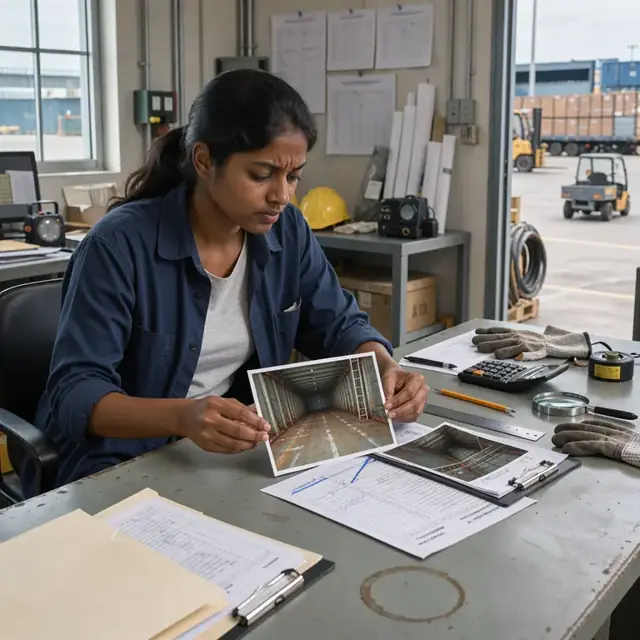
Cargo Claims Handler
Organize documentation and evidence when cargo claims arise from short delivery or damage.
Works in: Ambitious Docs, Ambitious Tasks, Ambitious Sheets · Workflows: Cargo claims and insurance handling
Automates
- Logs claim details and required evidence
- Pulls voyage records, surveys and weather logs
- Drafts initial responses and surveyor requests
- Tracks claim status through settlement
Stops for a person
- The port captain reviews all claim responses before sending
- A person approves any settlement amounts
- Marine surveyors and adjusters are coordinated by people
Workflows
Cargo booking and contract intake
Starts when: A shipper sends a freight inquiry, contract offer or spot fixture request
- Capture commodity, quantity, load and discharge ports, laycan dates and freight rate
- Check vessel availability against current schedule and draft restrictions
- Draft the booking confirmation or charter party with demurrage and laytime terms
- Create a cargo task with hold-cleaning and securing requirements
- Log the contract in the active voyage file
Watch for: Commodity-specific requirements for cleaning, separation and ventilation must be captured exactly; Laycan dates must align with lock and tide windows
Voyage scheduling and route planning
Starts when: After cargo is fixed or on a weekly cadence
- Plot the sequence of load and discharge ports against current water levels and forecasts
- Incorporate lock transit times, canal restrictions and weather routing
- Build the voyage timeline with estimated arrival and departure windows
- Flag draft-critical ports and required ballast adjustments
- Draft the preliminary schedule for captain review
Watch for: Great Lakes seasonal ice and St. Lawrence Seaway opening and closing dates constrain the schedule; Tidal windows at coastal ports must be observed
Vessel preparation and hold readiness
Starts when: 48 hours before arrival at load port
- Generate hold-cleaning and inspection checklist based on previous and next cargo
- Track previous cargo residues and required cleaning methods
- Draft the pre-load survey and hold inspection report
- Confirm ventilation, dunnage and securing gear are on board
- Create a task for the chief mate to verify readiness
Watch for: Switching from grain to steel or salt to fertilizer requires thorough cleaning and documentation; Coast Guard and terminal inspectors may board
Cargo manifest and regulatory filings
Starts when: After loading is complete and before departure
- Compile the cargo manifest from bills of lading and load tickets
- Prepare customs entries, Coast Guard cargo declarations and ballast-water reporting
- Draft dangerous-cargo declarations when applicable
- File electronic notices with Seaway authorities or port state control
- Transmit the final manifest to agents and receivers
Watch for: Accurate commodity classifications and hazardous-material codes are required; Ballast-water exchange or treatment records must be filed on every voyage
Crew assignment and certification tracking
Starts when: Weekly and before each crew change
- Match available crew to the upcoming voyage rotation
- Check license, medical and STCW certification expiry dates
- Draft crew travel and boarding instructions
- Update the crew list for each port call
- Flag any expiring documents for the port captain
Watch for: Vessel manning requirements differ by tonnage and route; Union contracts and rest-hour rules must be observed
Fuel and stores procurement
Starts when: Before each bunkering port and monthly
- Calculate fuel consumption for the next legs based on distance and speed
- Draft bunker orders by grade and quantity for each port
- Track fuel inventory and remaining days on board
- Obtain bunkering permits and coordinate with agents
- Log bunker delivery notes and fuel samples
Watch for: Fuel quality and sulfur limits vary by emission control area; Bunkering windows must fit the port schedule
Vessel maintenance and dry-docking
Starts when: Monthly and on survey due dates
- Pull maintenance tasks due before the next voyage
- Track classification society survey and dry-docking intervals
- Draft repair specifications for port or yard work
- Monitor hull, engine and deck gear condition reports
- Prepare documentation for insurance and regulatory audits
Watch for: Coast Guard and classification society inspections require documented evidence; The port captain confirms all repair priorities
Cargo claims and insurance handling
Starts when: Upon receipt of a claim notice from shipper or receiver
- Log the claim details including commodity, quantity short or damaged and supporting documents
- Pull voyage records, load and discharge surveys and weather data
- Draft the initial response and gather required evidence for the marine surveyor
- Track surveyor findings and adjuster recommendations
- Prepare final settlement paperwork for owner approval
Watch for: All documentation must be timestamped and preserved exactly as received; Surveyor attendance at discharge is often required for cargo damage claims
Bot templates for this industry
Source: U.S. Small Business Administration, Office of Size Standards, Table of Small Business Size Standards Matched to North American Industry Classification System Codes, version March 2023 (effective 2023-03-17, NAICS 2022). Size standards are shown for reference only.