

Coastal and Great Lakes Passenger Transportation
Operators run scheduled and chartered passenger vessels on coastal routes, the Great Lakes and inland passages. The specialists turn booking requests into confirmed passenger manifests, manifests into daily sailing schedules and crew assignments, and sailing data into fuel orders, maintenance plans and regulatory logs. Vessel masters retain all navigation, safety and weather decisions.
What makes this business different
- Passenger bookings with cabin class, vehicle reservations, dietary needs and accessibility requirements that must match the vessel capacity exactly
- Tidal and seasonal sailing schedules dictated by lock times, drawbridge openings, ice conditions and daylight hours
- Vessel capacity limits for passengers, vehicles and freight that change with weather and stability rules
- Fuel, potable water, waste removal and provisioning purchased just before each voyage
- USCG, EPA, CBP and state maritime permits, vessel inspections, crew certifications and logbook entries required before departure
- Repeat passengers who book seasonal routes, vehicle transport and group charters
- Real-time coordination with ports, locks, bridges and marine traffic control
Specialist bots

Booking Agent
Convert every passenger inquiry into a confirmed booking and add it to the voyage manifest.
Works in: Ambitious Tasks, Ambitious Docs, Email Buckets · Workflows: Passenger booking and manifest creation
Automates
- Reads incoming reservation messages and forms
- Captures passenger details, vehicle information and special requests
- Checks against current sailing capacity
- Drafts booking confirmations
- Adds entries to the digital manifest
Stops for a person
- The vessel master approves any medical or accessibility accommodations
- A person reviews and sends all confirmations and handles payment exceptions

Sailing Schedule Coordinator
Build each voyage's timed schedule, crew watch list and passenger boarding plan.
Works in: Ambitious Tasks, Ambitious Docs · Workflows: Daily sailing and crew scheduling
Automates
- Locks the final manifest
- Assigns crew to watches based on rest rules
- Integrates tide, lock and bridge data into the schedule
- Generates the sailing order and briefing checklist
Stops for a person
- The vessel master reviews and approves the final sailing order
- Crew assignments are confirmed by the captain
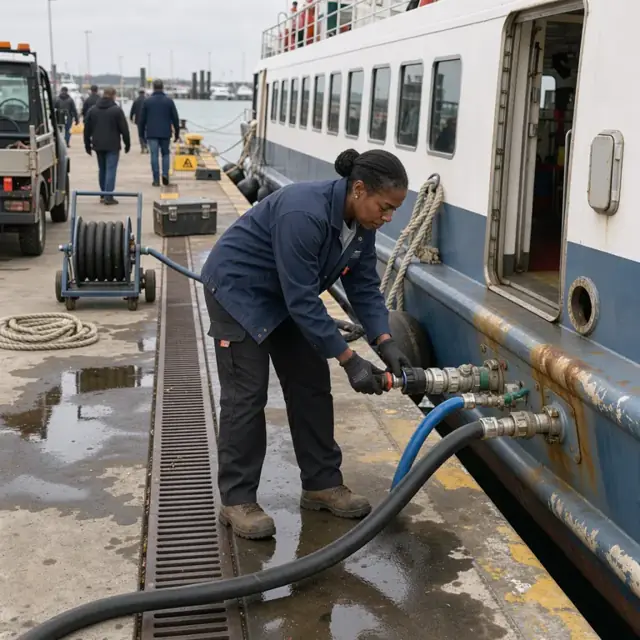
Provisioning and Fuel Clerk
Calculate and order fuel, water, food and supplies needed for each voyage.
Works in: Ambitious Sheets, Ambitious Tasks · Workflows: Fuel, water and provisioning
Automates
- Computes fuel burn for the route and conditions
- Determines water and waste tank requirements
- Builds provisioning lists by category
- Schedules bunkering and pump-out slots
Stops for a person
- The captain confirms fuel and stability calculations
- All purchases and vendor payments are approved by the owner

Maintenance and Inspection Tracker
Maintain the vessel maintenance schedule and pre-departure inspection checklists.
Works in: Ambitious Tasks, Ambitious Docs, Ambitious Sheets · Workflows: Vessel maintenance and inspection tracking
Automates
- Generates daily and voyage-specific checklists
- Tracks inspection and dry-dock due dates
- Logs completed maintenance items
- Flags any items that could affect departure
Stops for a person
- The vessel master performs and signs off on all pre-departure inspections
- Regulatory inspection findings are reviewed and closed by licensed personnel
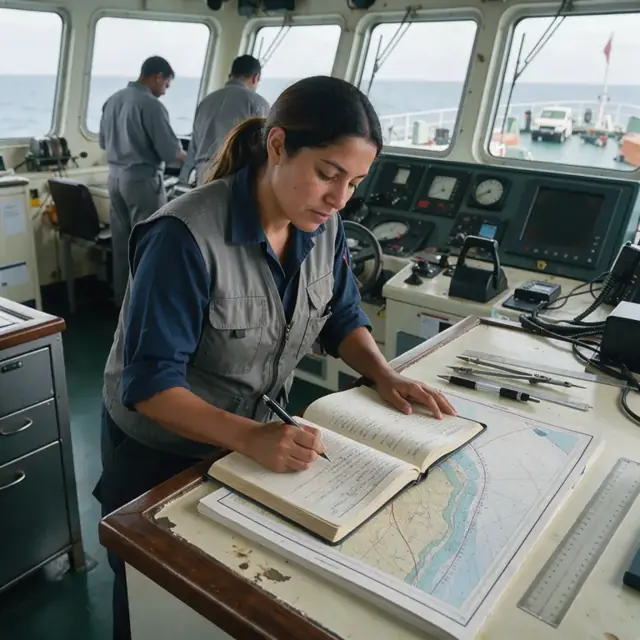
Regulatory Compliance Officer
Prepare logbooks, track permits and assemble required arrival and departure documentation.
Works in: Ambitious Docs, Ambitious Tasks, Ambitious Sheets · Workflows: Regulatory and logbook management
Automates
- Creates the daily log template with required fields
- Monitors crew certificate and vessel permit expirations
- Compiles documentation for port authorities
- Archives completed voyage logs
Stops for a person
- The captain makes all official log entries
- The owner confirms which agency requirements apply to each route
- People review and file all official submissions
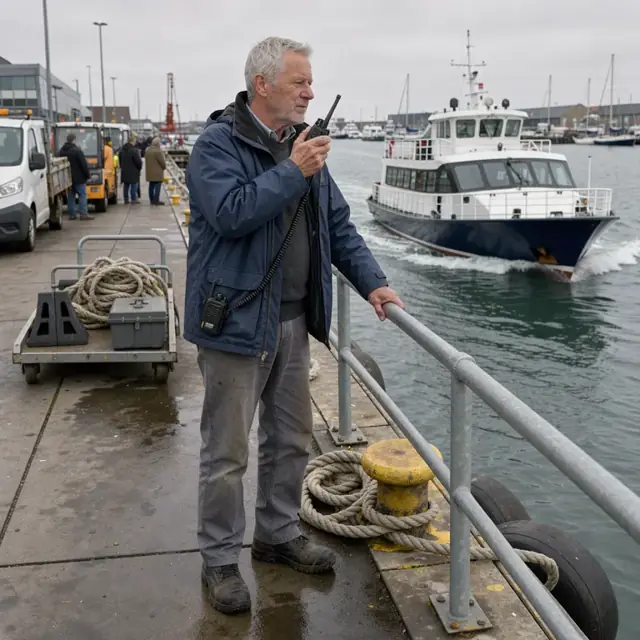
Port and Traffic Coordinator
Submit notices to ports, locks and authorities and adjust schedules for marine traffic.
Works in: Ambitious Tasks, Email Buckets, Ambitious Docs · Workflows: Port, lock and marine traffic coordination
Automates
- Prepares and sends advance notice of arrival forms
- Requests lock and bridge slots
- Monitors traffic updates and suggests adjustments
- Coordinates berth assignments with dock masters
Stops for a person
- The vessel master approves all schedule changes due to weather or traffic
- All communications with authorities are reviewed before transmission

Passenger Follow-up Host
Send post-voyage communications, gather feedback and encourage repeat bookings.
Works in: Ambitious Tasks, Ambitious Docs, Email Buckets · Workflows: Passenger follow-up and repeat booking
Automates
- Drafts thank-you messages and feedback requests
- Tracks passenger preferences for future sailings
- Prepares seasonal route reminders and charter offers
Stops for a person
- The owner approves every message sent to passengers
- Any feedback involving safety or vessel operations is forwarded to the captain
Workflows
Passenger booking and manifest creation
Starts when: A customer requests passage by form, email or direct message
- Capture passenger count, cabin class, vehicle details, dietary needs and accessibility requests
- Check availability against the vessel capacity for the requested sailing date
- Confirm sailing schedule, boarding time and port rules
- Record payment status and draft confirmation
- Add the booking to the voyage manifest
Watch for: Vehicle dimensions and weights must be verified against ramp and deck limits; Accessibility and medical needs are flagged for the vessel master
Daily sailing and crew scheduling
Starts when: Twenty-four hours before each scheduled departure
- Lock the final passenger and vehicle manifest
- Assign deck and engine-room crew to watches
- Build the timed schedule: boarding, departure, transit, arrival and unloading
- Incorporate tide tables, lock schedules and bridge openings
- Generate the sailing order and passenger briefing checklist
Watch for: Schedules must align with published port and lock times; Crew rest rules limit consecutive watch hours
Fuel, water and provisioning
Starts when: After manifest lock and weekly
- Calculate fuel burn based on route distance, current and weather
- Determine potable water and waste tank needs
- Draft provisioning list for food, linens and safety supplies
- Track bunkering and pump-out appointments with port services
- Log inventory used from previous voyage
Watch for: Fuel and water must be loaded just before departure to meet stability requirements; Waste removal must occur at approved pump-out stations
Vessel maintenance and inspection tracking
Starts when: Weekly and before each voyage
- Generate pre-departure checklist for hull, engines, safety gear and navigation electronics
- Track dry-dock, COI and equipment inspection due dates
- Record maintenance completed by crew or contractors
- Flag items that could delay sailing
- Maintain digital copies of certificates
Watch for: Coast Guard certificate of inspection renewal cycles vary by vessel type; All corrective actions must be verified by the vessel master
Regulatory and logbook management
Starts when: Each sailing day and on renewal dates
- Create the official log template with required entries for position, weather and passenger count
- Compile crew certificates, medical records and drill logs
- Track permit and license renewal dates for vessel and crew
- Prepare arrival documentation for CBP or state agencies
- Archive completed logs after each voyage
Watch for: Log entries must be made at prescribed intervals during transit; Different agencies require specific forms for coastal versus Great Lakes routes
Port, lock and marine traffic coordination
Starts when: Forty-eight hours before departure and during transit
- Submit advance notice of arrival to ports and authorities
- Request lock or bridge openings in the required window
- Monitor marine traffic and draft schedule adjustments
- Coordinate with dock masters for berth assignment
- Send updated arrival messages to passengers
Watch for: Advance notice deadlines are strict for certain ports and waterways; Weather or traffic may force last-minute changes
Passenger follow-up and repeat booking
Starts when: After each voyage and on seasonal cadence
- Draft thank-you and feedback request for each passenger
- Remind seasonal route regulars of upcoming booking windows
- Track preferences for cabin class, dietary needs and vehicle type
- Draft group charter and holiday sailing offers
- Record any special assistance used for future voyages
Watch for: All outbound passenger communications require owner approval before sending; Feedback on seasickness or accessibility is routed to the vessel master
Bot templates for this industry
Source: U.S. Small Business Administration, Office of Size Standards, Table of Small Business Size Standards Matched to North American Industry Classification System Codes, version March 2023 (effective 2023-03-17, NAICS 2022). Size standards are shown for reference only.