

Inland Water Passenger Transportation
Inland water passenger transportation operators run scheduled and charter passenger vessels on rivers, lakes, canals and intracoastal waterways. For an operator running daily sightseeing cruises, private charters and seasonal ferry service, the specialists turn booking requests into confirmed passenger manifests, manifests into daily vessel schedules and crew assignments, and schedules into dock, fuel and maintenance plans. Navigation rules, USCG logbooks, passenger counts and safety drills stay with the captain and crew.
What makes this business different
- Reservations with passenger counts, special requests and group sizes that must match vessel capacity and stability rules
- Daily and seasonal schedules with fixed departure times, weather-dependent operations and tide or lock coordination
- Vessel capacity limits based on certified passenger count, weight and stability calculations
- USCG vessel documentation, inspection certificates, crew licensing and logbook requirements
- Fuel, potable water, waste pump-out and provisioning managed at specific docks
- Safety equipment checks, passenger briefings, emergency drills and manifest accuracy for each trip
- Repeat customers booking recurring charters, seasonal passes or corporate group events
Specialist bots
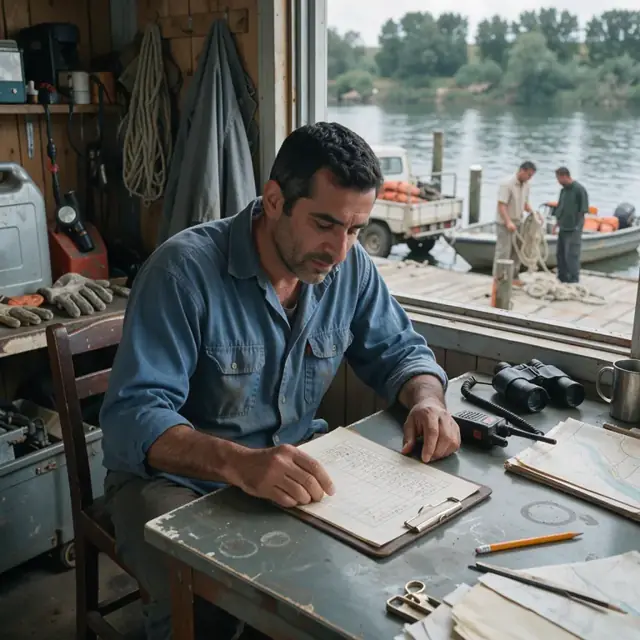
Reservation Coordinator
Convert booking requests into confirmed reservations and accurate passenger manifests.
Works in: Ambitious Tasks, Ambitious Docs, Email Buckets · Workflows: Booking intake and manifest creation
Automates
- Reads incoming reservation messages and forms
- Checks vessel capacity and schedule availability
- Captures special requests and emergency contacts
- Drafts booking confirmations
- Builds the initial passenger manifest
Stops for a person
- The captain reviews any booking that exceeds standard capacity or involves special stability concerns
- A person sends final confirmations and processes payments
- Owner approves any discount or comped charter

Vessel and Crew Scheduler
Build daily departure schedules and assign vessels and crew while respecting regulations.
Works in: Ambitious Tasks, Ambitious Sheets · Workflows: Daily vessel and crew scheduling
Automates
- Locks bookings and creates the next day's timetable
- Assigns vessels to trips based on capacity and route certification
- Creates crew duty rosters and rest-hour checks
- Coordinates lock and bridge timing windows
- Calculates daily fuel requirements
Stops for a person
- The captain approves the final daily schedule each evening
- Crew assignments are confirmed by licensed personnel
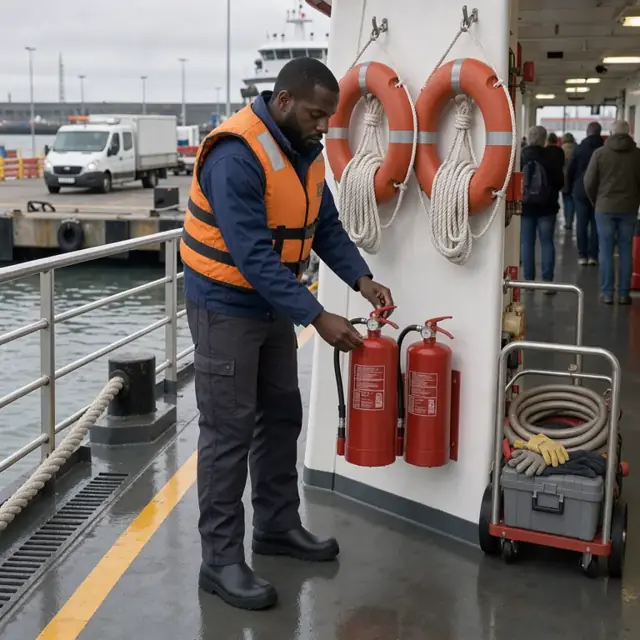
Vessel Maintenance and Compliance Clerk
Track vessel maintenance, inspection dates and required safety equipment checks.
Works in: Ambitious Tasks, Ambitious Docs, Ambitious Sheets · Workflows: Vessel maintenance and compliance tracking
Automates
- Monitors USCG certificate and inspection due dates
- Generates daily pre-departure safety checklists
- Logs engine hours and maintenance history
- Flags vessels due for haul-out or recertification
Stops for a person
- The captain performs and signs off on all physical inspections
- Owner confirms which vessels are placed out of service
- People handle actual maintenance and repairs

Dock and Supply Coordinator
Manage fuel, water, waste services and dock reservations for the fleet.
Works in: Ambitious Sheets, Ambitious Tasks, Email Buckets · Workflows: Dock, fuel and provisioning coordination
Automates
- Books dock space at each stop
- Calculates daily fuel, water and pump-out volumes
- Drafts supply orders for provisioning
- Tracks consumable inventory such as life jackets and first-aid supplies
Stops for a person
- The owner approves all fuel and supply purchases
- Captain confirms actual quantities loaded before departure

Passenger Manifest and Safety Verifier
Finalize manifests, prepare safety briefings and ensure accurate passenger counts before departure.
Works in: Ambitious Tasks, Ambitious Docs, Process Optimizer · Workflows: Passenger boarding and safety operations
Automates
- Finalizes headcount against reservations
- Generates printed or digital boarding lists
- Prepares the required safety briefing points for the captain
- Creates emergency station assignments by passenger count
Stops for a person
- The captain personally counts passengers and delivers the safety briefing
- A crew member verifies the final manifest is signed before leaving the dock
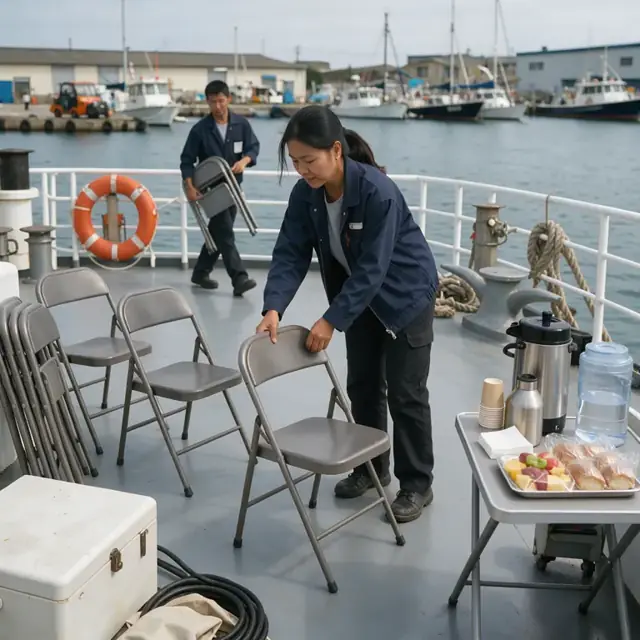
Private Charter Planner
Turn private charter inquiries into booked events with custom timelines and required approvals.
Works in: Ambitious Tasks, Ambitious Docs, Contract Analyzer · Workflows: Private charter and group fulfillment
Automates
- Builds custom itineraries for each charter
- Coordinates catering and special requests
- Drafts confirmation documents and timelines
- Tracks post-charter feedback
Stops for a person
- The captain reviews and approves every charter itinerary
- Owner approves any additional insurance or permit needs
- A person signs and sends all contracts

Regulatory Compliance Officer
Compile trip logs, prepare regulatory reports and track crew credentials.
Works in: Ambitious Docs, Ambitious Sheets, Ambitious Tasks · Workflows: Regulatory and incident reporting
Automates
- Compiles passenger counts, fuel logs and trip data
- Drafts USCG and state reporting forms
- Tracks crew license and medical certificate expirations
- Maintains digital copies of logbooks
Stops for a person
- The captain reviews and signs every report before filing
- Owner confirms which local or federal requirements apply to each route
- People handle actual submission to authorities and any follow-up
Workflows
Booking intake and manifest creation
Starts when: A customer requests a reservation by form, email, phone or direct message
- Capture passenger count, trip type, date, time, special requests and contact details
- Check availability against vessel capacity and existing schedule
- Confirm weather and waterway conditions allow the requested time
- Record payment status or deposit and draft confirmation
- Add passengers to the digital manifest with emergency contact information
Watch for: Passenger counts must never exceed certified capacity; Special requests such as wheelchair access or dietary needs for catered charters must be flagged for the crew
Daily vessel and crew scheduling
Starts when: Each evening for the next day's operations
- Lock the confirmed bookings and build the next day's departure schedule
- Assign vessels, captains and deckhands to each trip
- Coordinate dock times with locks, bridges or other operators
- Calculate estimated fuel and supply needs per vessel
- Generate crew duty rosters and required logbook entries
Watch for: Schedule must respect crew rest rules and daylight operation limits; Vessel assignments must match required certifications for the route
Vessel maintenance and compliance tracking
Starts when: Weekly and before each scheduled inspection
- Review upcoming USCG inspection and certificate due dates
- Create a pre-trip safety checklist for each vessel
- Track engine hours, fuel consumption and maintenance logs
- Schedule haul-outs, pump-outs and equipment recertification
- Flag any vessel that needs to be pulled from service
Watch for: All safety and navigation equipment must be checked before each departure; Coast Guard logbooks and oil record books must be kept current
Dock, fuel and provisioning coordination
Starts when: Morning of each operating day and weekly
- Confirm dock availability and reservation at each stop
- Calculate fuel, water and waste service needs for the fleet
- Draft orders for fuel, ice, catering and supplies
- Track inventory of life jackets, first-aid kits and cleaning supplies
- Record pump-out and waste disposal logs
Watch for: Fuel and waste handling must follow environmental regulations for inland waters; Provisioning must be completed before the first departure
Passenger boarding and safety operations
Starts when: One hour before each scheduled departure
- Finalize the manifest with actual headcount
- Generate boarding passes or check-in list
- Prepare the required safety briefing script and emergency station assignments
- Log passenger counts and manifest with the captain
- Record any no-shows or last-minute additions
Watch for: Accurate manifest is required for every trip by regulation; Safety briefing must be delivered before leaving the dock
Private charter and group fulfillment
Starts when: When a private charter or group booking is confirmed
- Assign dedicated vessel and crew for the charter
- Coordinate any catering, decoration or special equipment requests
- Build a custom timeline including boarding, cruise and return
- Draft pre-event confirmation and day-of timeline for the customer
- Close out the charter with post-event feedback request
Watch for: Charters often require extra insurance riders or permits; Customer must approve final itinerary before the day of service
Regulatory and incident reporting
Starts when: After each trip and on fixed reporting dates
- Compile trip logs, passenger counts and fuel usage
- Draft required USCG and state waterway reports
- Record any incidents or near-misses in the official log
- Track crew licensing renewal dates and medical certificates
- Maintain records for random audits or inspections
Watch for: All reports must be reviewed by the captain before submission; Incident reporting follows strict USCG timelines and formats
Bot templates for this industry
Source: U.S. Small Business Administration, Office of Size Standards, Table of Small Business Size Standards Matched to North American Industry Classification System Codes, version March 2023 (effective 2023-03-17, NAICS 2022). Size standards are shown for reference only.