

General Freight Trucking, Long-Distance, Less Than Truckload
Long-distance LTL carriers consolidate partial shipments from many shippers onto the same trailer, move them between terminals with linehaul runs, and deliver on tight transit schedules. Specialists turn booking requests into rated loads, combine compatible shipments into trailer plans, route drivers and equipment across a network of terminals, track in-transit status, manage accessorials and produce freight bills while the dispatcher and safety officer retain final authority on moves, hours-of-service and compliance paperwork.
What makes this business different
- Multi-stop pickups and deliveries with specific appointment windows and loading requirements
- Freight classification, NMFC codes, density and hazmat handling that determine rates and compatibility
- Linehaul scheduling between origin, breakbulk and destination terminals with daily cutoff times
- Equipment assignment for dry van, reefer or flatbed trailers plus tractor maintenance and driver hours-of-service logs
- In-transit visibility, exception handling and proof of delivery across state lines
- Accessorial charges for liftgates, inside delivery, storage, reweigh and redelivery
- Freight bills, cargo claims, fuel surcharges, tolls and weekly driver settlements
- DOT, FMCSA, state permit and insurance certificate tracking for each power unit and driver
Specialist bots

Shipment Booker
Convert every shipper request into a rated, documented shipment ready for consolidation.
Works in: Ambitious Tasks, Ambitious Docs, Contract Analyzer · Workflows: Shipment booking and rating
Automates
- Reads incoming booking requests and extracts origin, destination, weight and commodity details
- Determines freight class using NMFC and density calculations
- Generates rate quotes and accessorial estimates
- Drafts rate confirmations
- Creates the master shipment task
Stops for a person
- The pricing manager approves any rate deviations
- Hazardous materials declarations are reviewed by a qualified person
- A person sends all final confirmations to the shipper

Load Consolidation Planner
Combine compatible shipments into efficient trailer loads while respecting all compatibility and weight rules.
Works in: Ambitious Sheets, Process Optimizer, Ambitious Tasks · Workflows: Terminal consolidation and load planning
Automates
- Groups shipments by destination and service level
- Builds cube and weight-optimized loading plans
- Enforces hazmat segregation and stackability constraints
- Generates trailer manifests and bills of lading
Stops for a person
- The terminal manager reviews and approves each load plan
- Any loading changes that affect weight distribution are confirmed by a person
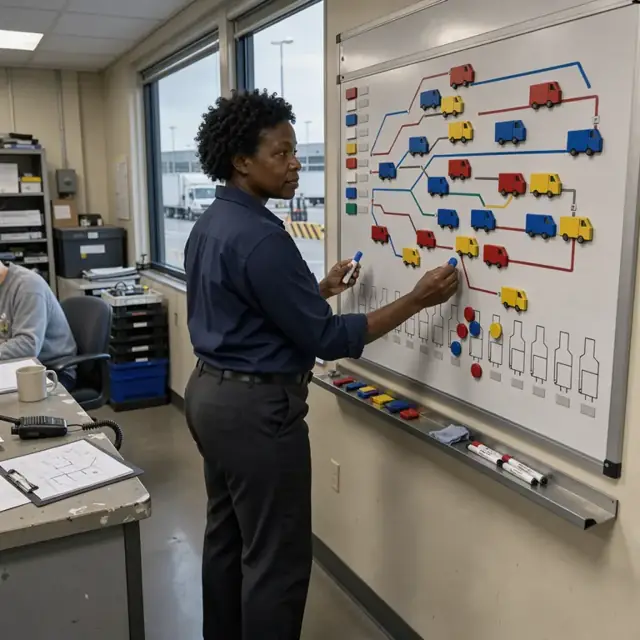
Linehaul Dispatcher
Create daily linehaul schedules and assign drivers and tractors to meet terminal cutoffs.
Works in: Ambitious Tasks, Ambitious Docs · Workflows: Linehaul routing and dispatch
Automates
- Matches available drivers and equipment to planned loads
- Builds sequenced linehaul runs between terminals
- Checks hours-of-service compliance before assignment
- Prepares driver packets and route instructions
Stops for a person
- The safety officer verifies driver qualification and hours before release
- A person makes all final dispatch calls and communicates changes

In-Transit Tracking Coordinator
Monitor shipments in transit, update statuses and manage exceptions across the network.
Works in: Ambitious Tasks, Email Buckets, Ambitious Docs · Workflows: In-transit visibility and exception management
Automates
- Pulls GPS and telematics data to update locations
- Detects delays and creates exception tasks
- Sends status notifications to shippers and consignees
- Logs delivery attempts and refused shipments
Stops for a person
- Critical exceptions are handed off to a person for resolution
- All customer-facing communications are approved before sending
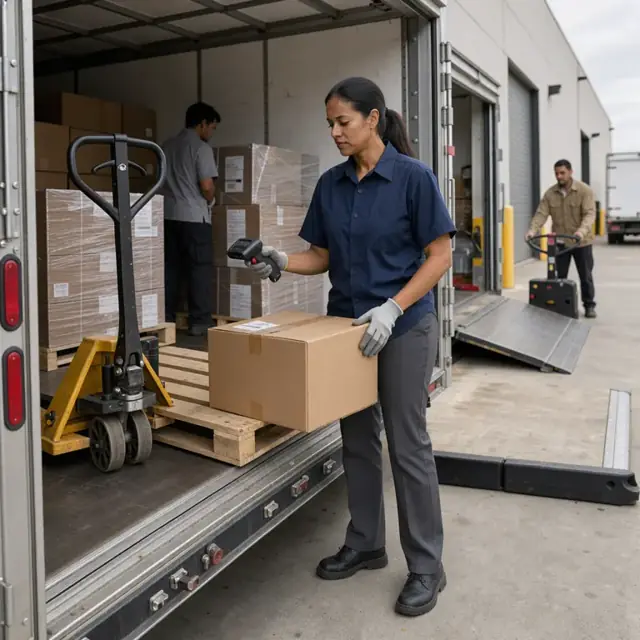
Delivery and Proof-of-Delivery Administrator
Capture final delivery documentation, close shipments and trigger accurate billing.
Works in: Ambitious Tasks, Ambitious Docs, Ambitious Sheets · Workflows: Delivery and proof of delivery
Automates
- Requests and logs proof of delivery images and signatures
- Records any delivery exceptions or accessorial services performed
- Closes the shipment record and flags it for billing
- Routes equipment for the next load
Stops for a person
- A person reviews all exceptions and claims before they are finalized
- The driver confirms delivery details in the field

Freight Billing Specialist
Assemble complete documentation and generate accurate freight invoices including accessorial charges.
Works in: Ambitious Docs, Ambitious Sheets, Contract Analyzer · Workflows: Freight billing and accessorial recovery
Automates
- Compiles all required shipment documents
- Calculates final charges and accessorials
- Drafts customer invoices
- Tracks payment status and prepares settlement reports
Stops for a person
- The billing manager approves all invoices before they are sent
- Any adjustments or credits require owner approval

Equipment and Compliance Clerk
Track all vehicle, driver and permit requirements and maintain current regulatory documentation.
Works in: Ambitious Tasks, Ambitious Sheets, Ambitious Docs · Workflows: Equipment, driver and permit management
Automates
- Monitors inspection, permit and insurance due dates
- Maintains driver qualification files
- Generates compliance checklists and reports
- Alerts before any credential expires
Stops for a person
- The safety director reviews and signs off on all compliance records
- People confirm which state and federal requirements apply to each operation
- The bot never certifies compliance
Workflows
Shipment booking and rating
Starts when: A shipper submits a request by form, email or EDI
- Capture origin, destination, weight, dimensions, class, commodity description and special handling needs
- Apply correct NMFC code and calculate density to determine freight class
- Generate a rate quote including linehaul, fuel surcharge and any accessorials
- Confirm pickup appointment and send a rate confirmation draft
- Create a shipment task with all required documents attached
Watch for: Hazardous materials declarations and special equipment must be flagged immediately; Rates are locked only after the carrier confirms equipment availability
Terminal consolidation and load planning
Starts when: Daily cutoff at origin terminals
- Group compatible shipments by destination terminal and service level
- Build trailer loading plans respecting weight, cube, stackability and hazmat segregation rules
- Assign trailer and driver to the linehaul leg
- Generate bills of lading and manifest for each trailer
- Flag any shipments that require temperature control or special strapping
Watch for: Freight must be compatible within the same trailer to avoid damage or regulatory violations; Maximum payload and axle weight limits must never be exceeded
Linehaul routing and dispatch
Starts when: Each evening for next-day departures
- Review all planned loads against available tractors and drivers
- Build daily linehaul schedule between terminals
- Check driver hours-of-service and vehicle inspection status
- Draft driver instructions and route sheets
- Send pre-departure messages to connecting terminals
Watch for: Driver availability is limited by hours-of-service regulations; Weather or road closures can force same-day rerouting
In-transit visibility and exception management
Starts when: When a trailer departs a terminal or on a schedule
- Monitor GPS and telematics for each power unit
- Update shipment status at each terminal break
- Detect and log exceptions such as delays, damage or refused delivery
- Notify shipper and consignee of status changes
- Escalate critical exceptions for manual intervention
Watch for: Certain freight requires constant temperature monitoring; Proof of delivery photos and signatures must be captured at final delivery
Delivery and proof of delivery
Starts when: Arrival at destination terminal or customer site
- Confirm delivery appointment and required special services
- Capture delivery receipt, photos and any exceptions or shortages
- Close the shipment record and trigger freight billing
- Return empty equipment or route to next load
- Log any cargo claims initiated at delivery
Watch for: Inside delivery or liftgate service must be pre-arranged and documented; Consignee signatures are required before the load is considered delivered
Freight billing and accessorial recovery
Starts when: After proof of delivery is recorded
- Assemble all supporting documents including bill of lading, delivery receipt and accessorial proofs
- Calculate final charges including any reweigh, storage or extra services
- Draft and send the freight invoice
- Track payment status and follow up on past-due accounts
- Prepare weekly driver settlement reports
Watch for: Accessorial revenue is easily lost without prompt documentation; Disputes over freight class or weight require supporting records
Equipment, driver and permit management
Starts when: Daily for inspections and on renewal dates
- Track tractor, trailer and driver inspection due dates
- Maintain current insurance certificates, permits and authority documents
- Log hours-of-service compliance and vehicle maintenance
- Generate required regulatory reports for each power unit
- Alert before any license, permit or insurance expires
Watch for: Requirements vary by state for oversize, overweight and hazmat moves; All records must be available for roadside inspections at any time
Bot templates for this industry
Source: U.S. Small Business Administration, Office of Size Standards, Table of Small Business Size Standards Matched to North American Industry Classification System Codes, version March 2023 (effective 2023-03-17, NAICS 2022). Size standards are shown for reference only.