

Specialized Freight (except Used Goods) Trucking, Long-Distance
Specialized freight carriers haul oversized, heavy, temperature-controlled, hazardous or uniquely shaped loads over long distances. For an operator running flatbeds, reefers, tankers and step-decks, the specialists turn customer requests into permitted loads, loads into sequenced dispatch plans, plans into route-specific equipment and driver assignments, and assignments into paperwork, load tracking and supplier reorders. Equipment maintenance, fuel, permits, hours-of-service logs and safety inspections stay with the owner and drivers.
What makes this business different
- Loads with unique requirements such as oversize, overweight, refrigerated, liquid, hazmat or secured cargo that each need specific equipment, routing and permits
- Long-haul routes crossing multiple states with varying hours-of-service, fuel-tax and weight-limit rules
- Pre-trip and post-trip vehicle inspections, daily driver vehicle inspection reports and maintenance scheduling
- Load-specific permits, escort requirements, route surveys and temporary axle adjustments
- Temperature or atmosphere monitoring for refrigerated and controlled-environment freight
- Fuel purchases, tolls, lumpers and accessorial charges that must be tracked per load
- Repeat shippers who tender on a schedule and expect consistent on-time performance
- Broker and direct-customer billing that includes accessorials, fuel surcharges and detention
Specialist bots

Load Intake Specialist
Turn every incoming load tender into a fully specified, equipment-matched load task.
Works in: Ambitious Tasks, Ambitious Docs, Email Buckets · Workflows: Load intake and requirement capture
Automates
- Parses tender details from emails and portals
- Matches cargo to equipment type and checks driver availability
- Flags oversize, hazmat or temperature requirements
- Drafts rate confirmation for approval
- Creates the master load task
Stops for a person
- The dispatcher approves rate and equipment assignment
- Hazardous or oversize loads are reviewed by the owner before acceptance
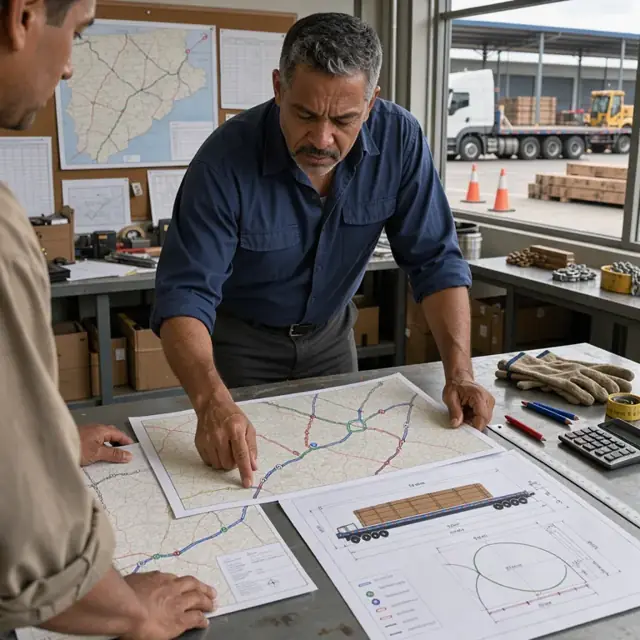
Permit and Route Coordinator
Research, apply for and organize all route-specific and annual permits required for each load.
Works in: Ambitious Docs, Ambitious Tasks, Ambitious Sheets · Workflows: Permit research and acquisition
Automates
- Identifies required permits by state and load dimensions
- Pre-fills permit applications with load data
- Tracks permit status and expiration dates
- Attaches received permits to the load file
Stops for a person
- The owner reviews and signs permit applications that require payment
- Route changes that affect permits are approved by the dispatcher
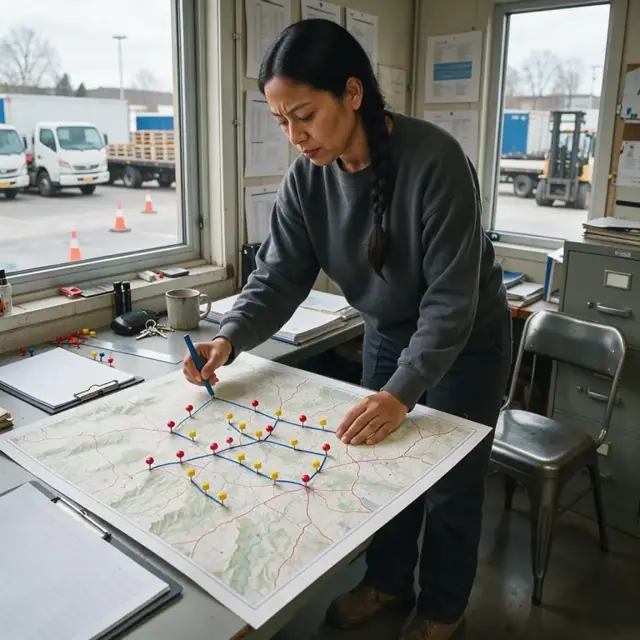
Dispatch Planner
Assign drivers, tractors and trailers to loads while respecting hours-of-service, permits and equipment constraints.
Works in: Ambitious Tasks, Process Optimizer · Workflows: Dispatch and driver assignment
Automates
- Sequences loads by pickup windows and equipment needs
- Checks driver hours against the full route
- Builds route plans with required stops and rest periods
- Generates driver packets with all required documents
Stops for a person
- The owner or lead driver approves final assignments
- Any changes to equipment or routing are confirmed by a person

Enroute Monitor
Track loads in transit, monitor temperature and hours-of-service, and manage exceptions as they arise.
Works in: Ambitious Tasks, Ambitious Sheets, Email Buckets · Workflows: Enroute tracking and exception handling
Automates
- Pulls GPS and sensor data into status dashboards
- Logs fuel, tolls and accessorial charges per stop
- Drafts customer status updates at milestones
- Flags delays or violations for immediate attention
Stops for a person
- The driver confirms or corrects automated logs
- All customer messages are approved before sending
- Detention or accessorial claims are reviewed by the owner

Maintenance and Asset Coordinator
Schedule and track all tractor, trailer and refrigeration unit maintenance from inspection reports and usage data.
Works in: Ambitious Tasks, Ambitious Sheets, Process Optimizer · Workflows: Equipment maintenance and inspection
Automates
- Converts driver vehicle inspection reports into work orders
- Schedules service by mileage, hours and calendar intervals
- Tracks parts inventory and tire wear across the fleet
- Forecasts equipment availability for upcoming loads
Stops for a person
- Mechanics approve completed repairs
- The owner decides when to retire or replace equipment
- All out-of-service decisions are made by qualified personnel

Billing and Settlement Specialist
Compile all charges, receipts and accessorials into accurate invoices and driver settlements.
Works in: Ambitious Sheets, Ambitious Docs, Contract Analyzer · Workflows: Load billing and settlement
Automates
- Assembles load costs including fuel, permits and accessorials
- Applies contract rates and fuel surcharges
- Calculates driver pay per load
- Prepares invoices and settlement statements
Stops for a person
- The owner reviews and sends all invoices
- Any disputed charges are resolved by a person before final billing

Compliance and Safety Clerk
Maintain driver credentials, vehicle records, inspection logs and regulatory files for audit readiness.
Works in: Ambitious Tasks, Ambitious Docs, Ambitious Sheets · Workflows: Regulatory and safety recordkeeping
Automates
- Tracks expiration dates for medical cards, licenses and permits
- Organizes daily logs and inspection reports
- Generates summary reports for review
- Flags upcoming renewals
Stops for a person
- The owner confirms which regulatory requirements apply to the fleet
- All filings, certifications and corrective actions are performed by people
- The bot never certifies compliance
Workflows
Load intake and requirement capture
Starts when: A shipper or broker sends a load tender by email, portal or direct message
- Extract origin, destination, pickup and delivery windows, cargo type, weight, dimensions and special handling notes
- Match the load to available equipment type such as flatbed, reefer, tanker or step-deck
- Check against driver hours-of-service, current location and route feasibility
- Draft rate confirmation with accessorials and fuel surcharge terms
- Create a load task with all requirements attached
Watch for: Oversize or overweight loads must be flagged immediately for permit research; Hazardous materials require specific driver endorsements and documentation
Permit research and acquisition
Starts when: After a load is accepted and before dispatch
- Identify every state, county and municipal permit needed for the route and load
- Draft permit applications with exact dimensions, weight, axle counts and route
- Track expiration and renewal dates for annual permits and escorts
- Attach permits to the load file once received
- Alert if route changes require new permits
Watch for: Some routes need advance survey and escort coordination; Permit costs are billed back to the shipper or absorbed per contract
Dispatch and driver assignment
Starts when: 24 to 48 hours before scheduled pickup
- Sequence loads by pickup date, equipment availability and driver hours-of-service
- Assign driver, tractor and trailer combination that meets cargo and permit needs
- Build the full route with fuel stops, rest periods and delivery windows
- Generate pre-trip inspection checklist and load securement instructions
- Send load packet including permits, rate confirmation and contact list
Watch for: Driver must be qualified for the specific cargo and endorsements; Equipment must have current inspection and registration
Enroute tracking and exception handling
Starts when: When a driver departs the shipper or at any status change
- Monitor GPS, temperature logs and hours-of-service in real time
- Record fuel, tolls, lumper fees and other accessorials
- Draft status updates for the shipper at key milestones
- Flag delays, breakdowns or detention for immediate review
- Capture post-delivery proof of delivery and any damage notes
Watch for: Temperature-controlled loads require continuous monitoring; Hours-of-service violations must be prevented before they occur
Equipment maintenance and inspection
Starts when: After each load, at mileage intervals and on annual due dates
- Generate post-trip inspection tasks from driver vehicle inspection reports
- Schedule preventive maintenance for tractors and trailers by mileage and time
- Track registration, annual inspections, brake adjustments and tire wear
- Maintain records of repairs and parts used per asset
- Forecast downtime and move loads to other equipment if needed
Watch for: Out-of-service violations must be avoided; Refrigeration units on reefers require separate maintenance tracking
Load billing and settlement
Starts when: After proof of delivery is received
- Compile all accessorials, fuel receipts, permits and detention records
- Draft the final invoice with line-item charges
- Calculate driver pay including mileage, bonuses and accessorial splits
- Reconcile fuel-tax credits by state
- Archive the complete load file for audit
Watch for: Some brokers require specific invoice formats and quick-pay options; Fuel surcharge must be calculated per contract terms
Regulatory and safety recordkeeping
Starts when: Daily, after each load and on renewal dates
- Compile driver logs, vehicle inspection reports and hours-of-service records
- Track medical cards, CDL endorsements, drug-testing and training due dates
- Maintain cargo insurance, liability coverage and permit compliance files
- Generate quarterly and annual safety reports for review
- Flag any upcoming renewals or expiring credentials
Watch for: Rules differ by state for weight, routing and hazardous materials; The owner confirms which requirements apply to each operation
Bot templates for this industry
Source: U.S. Small Business Administration, Office of Size Standards, Table of Small Business Size Standards Matched to North American Industry Classification System Codes, version March 2023 (effective 2023-03-17, NAICS 2022). Size standards are shown for reference only.