

Mixed Mode Transit Systems
Mixed mode transit systems operate scheduled passenger services that combine multiple modes such as bus, van, rail shuttle and demand-response vehicles on shared routes and timetables. The specialists turn rider bookings and agency schedules into daily dispatch plans, track vehicle and driver availability, generate required manifests and logs, manage fare and billing reconciliation, and maintain compliance paperwork for DOT, FTA and local transit authorities. Scheduling, permits, vehicle inspections, driver licensing, fuel and parts inventory, asset maintenance and customer communications stay with operations staff.
What makes this business different
- Coordinated schedules across bus, vanpool, rail shuttle and on-demand legs with timed transfers
- Driver and vehicle assignments that respect hours-of-service, licensing and vehicle type rules
- Daily manifests, rider lists, ADA accessibility notes and transfer instructions
- Vehicle maintenance, inspection and fuel records required for regulatory audits
- Fare collection, subsidy billing and reconciliation with municipal partners
- Real-time adjustments for delays, cancellations, no-shows and same-day bookings
- Customer notifications for schedule changes, delays and service alerts
- Seasonal ridership spikes, special event routing and weather-related detours
Specialist bots

Booking Coordinator
Turn every rider request into a confirmed booking with accurate manifest details.
Works in: Ambitious Tasks, Ambitious Docs, Email Buckets · Workflows: Rider booking and manifest creation
Automates
- Reads incoming booking requests across channels
- Captures trip details, accessibility needs and transfer points
- Checks timetable and capacity
- Drafts confirmations and boarding instructions
- Creates the daily manifest task
Stops for a person
- Operations staff approve complex accessibility accommodations
- A person sends all confirmations and resolves payment issues

Dispatch Planner
Assign drivers and vehicles to daily runs and produce accurate manifests and packets.
Works in: Ambitious Tasks, Ambitious Docs · Workflows: Daily dispatch and driver assignment
Automates
- Groups bookings by route and transfer windows
- Matches drivers to runs within hour limits
- Builds sequenced manifests with pickup order and special notes
- Prepares driver packets with maps and emergency contacts
Stops for a person
- The operations manager reviews and adjusts all assignments
- Drivers confirm their packets before leaving the yard

Fleet Maintenance Coordinator
Track vehicle inspections, maintenance schedules, parts inventory and out-of-service status.
Works in: Ambitious Sheets, Ambitious Tasks, Ambitious Docs · Workflows: Vehicle maintenance and inspection tracking
Automates
- Generates daily pre-trip checklists
- Logs mileage, fuel and defect reports
- Schedules preventive maintenance and inspections
- Tracks parts usage and flags low stock
- Updates vehicle availability for dispatch
Stops for a person
- Mechanics perform and sign off on all repairs and inspections
- Operations staff decide which vehicles to take out of service

Schedule Optimizer
Analyze ridership data and propose timetable and route adjustments that preserve timed transfers.
Works in: Process Optimizer, Ambitious Sheets, Ambitious Docs · Workflows: Schedule and route optimization
Automates
- Compares historical and current booking volumes by mode
- Identifies transfer bottlenecks and wait times
- Drafts revised schedules and route maps
- Simulates impacts of events or construction
Stops for a person
- Transit authority and municipal partners approve all schedule changes
- Operations staff validate final timetables before publication

Fare and Billing Administrator
Reconcile daily fare collections, prepare subsidy invoices and generate required ridership reports.
Works in: Ambitious Sheets, Ambitious Docs, Ambitious Tasks · Workflows: Fare collection and billing reconciliation
Automates
- Reconciles cash, card and pass data
- Calculates partner billings and subsidies
- Drafts monthly invoices and reports
- Flags discrepancies for review
Stops for a person
- Finance staff approve all invoices and submissions
- A person signs and files all reports with funding agencies
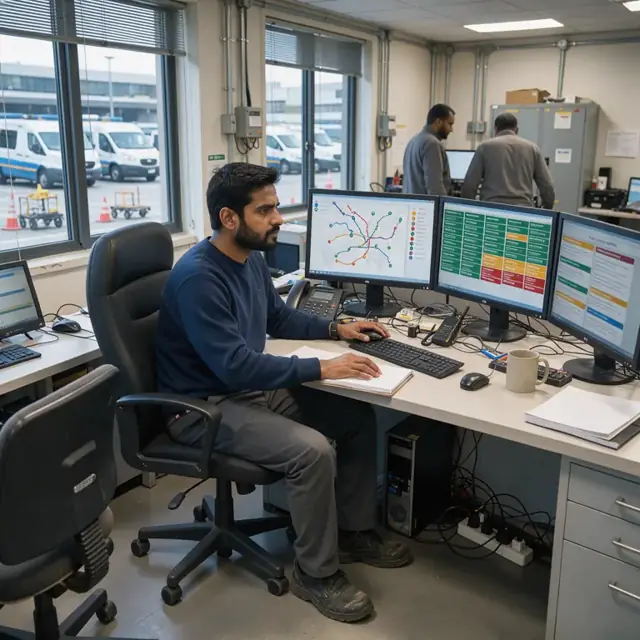
Rider Communications Specialist
Draft and organize service alerts, trip reminders and feedback requests for riders.
Works in: Email Buckets, Ambitious Tasks, Ambitious Docs · Workflows: Customer notifications and service alerts
Automates
- Creates delay and detour notices from dispatch data
- Sends personalized booking reminders
- Compiles service summaries and feedback forms
- Maintains rider preference records
Stops for a person
- Operations staff review and approve every outbound message
- A person handles all emergency notification channels
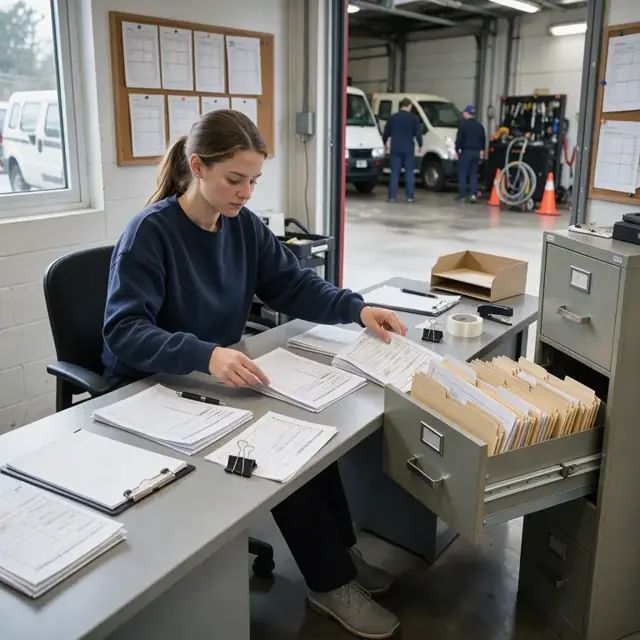
Compliance and Records Clerk
Organize daily logs, track permit and license renewals and compile audit-ready documentation packages.
Works in: Ambitious Docs, Ambitious Sheets, Ambitious Tasks · Workflows: Regulatory compliance and permit management
Automates
- Compiles driver logs and manifests
- Tracks expiration dates for permits and qualifications
- Generates monthly safety and ridership reports
- Assembles required audit packets
Stops for a person
- Operations management confirms which regulatory requirements apply to each route
- All filings, certifications and corrective actions are performed and signed by people
Workflows
Rider booking and manifest creation
Starts when: A customer books by app, phone, email or agency portal
- Capture trip details including origin, destination, date, time, passengers, mobility needs and transfer points
- Check against published timetable and available capacity on each leg
- Assign to the correct mode sequence and generate a rider manifest
- Draft confirmation with boarding instructions and transfer details
- Add to the daily operations task list
Watch for: ADA and accessibility requests must be captured exactly and never assumed; Bookings after the cutoff roll to the next available scheduled service
Daily dispatch and driver assignment
Starts when: Night before or early morning of each service day
- Pull all confirmed bookings and group by route and transfer points
- Match drivers and vehicles to runs respecting hours-of-service and licensing
- Build timed manifests showing pickup order, transfer windows and drop-offs
- Flag any special assistance or equipment needs for the crew
- Generate driver packets with manifests, route maps and emergency contacts
Watch for: Vehicle type must match route requirements and accessibility needs; Driver assignments cannot exceed daily or weekly hour limits
Vehicle maintenance and inspection tracking
Starts when: Daily pre-trip, post-trip and on scheduled intervals
- Generate pre-trip inspection checklist for each vehicle
- Record defects, mileage, fuel added and post-trip issues
- Schedule preventive maintenance and DOT inspections
- Track parts and tire inventory against usage
- Flag vehicles out of service and reroute assignments
Watch for: All inspection and repair records must be kept for regulatory review; Commercial vehicles require specific documentation and certifications
Schedule and route optimization
Starts when: Weekly and before seasonal changes
- Compare historical ridership and bookings to current timetable
- Use process optimizer to identify bottlenecks at transfer points
- Draft revised schedules that maintain timed connections across modes
- Simulate impact of special events or construction detours
- Produce updated route maps and transfer guides for approval
Watch for: Transfer windows must allow realistic walking or waiting time between modes; Municipal partners must approve any timetable changes
Fare collection and billing reconciliation
Starts when: End of each service day and monthly
- Reconcile cash, card and pass data from vehicles and validators
- Calculate subsidies and partner billings by route and rider type
- Draft invoices for municipal contracts and grant reimbursements
- Track monthly ridership by mode and report to funding agencies
- Flag discrepancies for operations review
Watch for: Separate accounting for different funding sources and jurisdictions; All billing documents require final sign-off before submission
Customer notifications and service alerts
Starts when: When changes occur or on a scheduled cadence
- Draft delay, cancellation and detour notices from dispatch updates
- Send personalized messages for upcoming booked trips
- Compile weekly or monthly service summaries for repeat riders
- Collect feedback on transfers, on-time performance and accessibility
- Maintain rider preference notes for future bookings
Watch for: All outbound messages require operations approval before sending; Emergency alerts must follow established notification protocols
Regulatory compliance and permit management
Starts when: Daily for logs and on renewal or inspection dates
- Compile daily driver logs, manifests and incident reports
- Track expiration dates for vehicle permits, insurance and DOT filings
- Generate monthly FTA and state safety reports from logged data
- Maintain driver qualification files and training records
- Prepare audit packets with checked manifests and maintenance logs
Watch for: Requirements differ by state, transit authority and funding source; Operations staff confirm which rules apply to each route and vehicle
Bot templates for this industry
- Mixed Mode Transit Systems (7 bots)
Source: U.S. Small Business Administration, Office of Size Standards, Table of Small Business Size Standards Matched to North American Industry Classification System Codes, version March 2023 (effective 2023-03-17, NAICS 2022). Size standards are shown for reference only.