

Commuter Rail Systems
Commuter rail systems run scheduled passenger trains between suburbs and city centers on fixed routes, managing timetables, equipment cycles, crew assignments, track access, fare collection and regulatory reporting. The specialists turn service requests and ridership data into daily train schedules, schedules into crew and equipment rosters, rosters into maintenance and fuel plans, and daily operations into performance logs and regulatory filings. Timetables, safety rules and regulatory reporting stay with the operations manager.
What makes this business different
- Fixed daily and seasonal timetables with morning and evening peak service windows that must be published weeks in advance
- Coordination with host railroads for track access, dispatching and maintenance windows
- Equipment cycles: locomotives and passenger cars rotated through daily runs, overnight cleaning and periodic heavy maintenance
- Crew assignments governed by hours-of-service rules, union agreements and qualification records
- Fare collection through tickets, passes, mobile apps and onboard validation with revenue reconciliation
- Daily safety and mechanical inspections, defect reporting and regulatory recordkeeping
- Ridership counts, on-time performance tracking and monthly reports to funding agencies
- Seasonal adjustments for holidays, special events and weather-related service changes
Specialist bots

Timetable Planner
Turn ridership patterns and track access agreements into published timetables.
Works in: Process Optimizer, Ambitious Sheets, Ambitious Docs · Workflows: Timetable and service planning
Automates
- Analyzes historical ridership by time of day and season
- Builds draft departure and arrival schedules
- Checks equipment and crew cycle feasibility
- Drafts public timetable files for website and apps
Stops for a person
- Operations manager approves all timetable changes before publication
- Host railroad confirms track slots

Crew Dispatcher
Assign qualified crew members to trains while respecting work-rest rules and qualifications.
Works in: Ambitious Tasks, Ambitious Sheets, Ambitious Docs · Workflows: Crew assignment and qualification
Automates
- Matches available crew to train runs
- Enforces hours-of-service and rest requirements
- Builds weekly and daily crew boards
- Tracks license and route qualification expirations
Stops for a person
- Crew supervisor reviews and adjusts assignments
- Union representatives are consulted on work-rule disputes

Equipment and Consist Coordinator
Rotate locomotives and passenger cars through daily service, cleaning and maintenance.
Works in: Ambitious Tasks, Ambitious Sheets · Workflows: Equipment scheduling and rotation
Automates
- Assigns consists to each scheduled train
- Plans overnight cleaning and fueling
- Flags equipment due for inspection or repair
- Adjusts for special event or seasonal requirements
Stops for a person
- Mechanical supervisor approves equipment swaps
- Yardmaster confirms ready status before departure

Maintenance and Inspection Planner
Schedule daily inspections, coordinate track access and generate work orders for the shop.
Works in: Ambitious Tasks, Process Optimizer, Ambitious Sheets · Workflows: Maintenance and inspection planning
Automates
- Creates pre-trip inspection checklists for each train
- Books maintenance windows with host railroad
- Tracks mileage and component hours for scheduled work
- Drafts repair orders from inspection findings
Stops for a person
- Chief mechanical officer reviews and signs off on all work orders
- Operations manager confirms no impact on scheduled service

Fare and Revenue Analyst
Reconcile daily ticket and pass sales and prepare monthly ridership and revenue reports.
Works in: Ambitious Sheets, Ambitious Docs, Ambitious Tasks · Workflows: Fare collection and revenue reconciliation
Automates
- Pulls sales data from vending and mobile systems
- Matches validations to trains and stations
- Calculates revenue by fare type and agency split
- Drafts monthly performance summaries
Stops for a person
- Finance manager approves all revenue reports before submission
- Discrepancies are investigated by a person

Daily Operations Monitor
Track real-time train movements, record delays and generate end-of-day performance reports.
Works in: Ambitious Tasks, Ambitious Docs, Process Optimizer · Workflows: Daily dispatch and performance monitoring
Automates
- Loads the daily timetable into monitoring tools
- Logs on-time status and incident reports
- Coordinates delay messages with host dispatchers
- Summarizes daily on-time performance
Stops for a person
- Train dispatcher makes all real-time operating decisions
- Operations manager reviews and approves incident reports
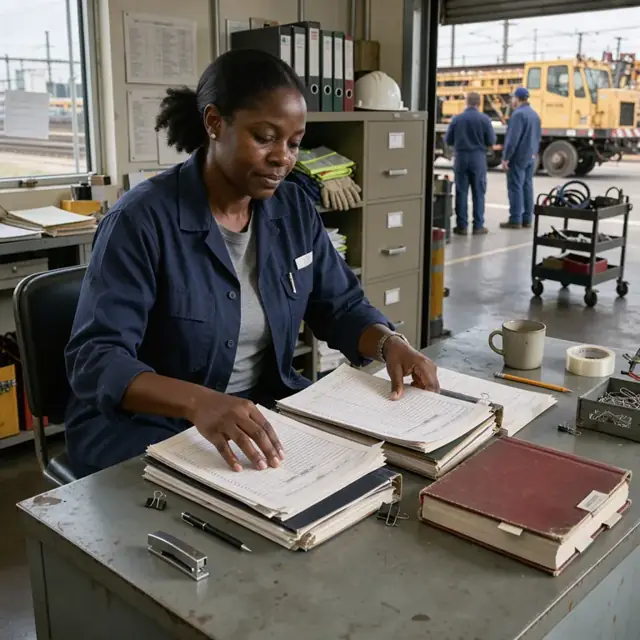
Regulatory Compliance Clerk
Compile safety logs, prepare reports and track permit and license deadlines.
Works in: Ambitious Docs, Ambitious Sheets, Ambitious Tasks · Workflows: Regulatory and safety reporting
Automates
- Assembles daily inspection and event logs
- Drafts monthly accident and hours-of-service reports
- Warns on approaching regulatory filing dates
- Organizes data packages for funding reports
Stops for a person
- Operations manager confirms accuracy of every report before filing
- Legal or safety officer reviews and signs submissions
Workflows
Timetable and service planning
Starts when: Monthly or when schedule changes are required
- Review ridership data and seasonal demand patterns
- Draft proposed timetable with departure, arrival and connection times
- Coordinate with host railroads for slot availability and maintenance windows
- Run simulation to check equipment and crew turn times
- Publish draft timetable for internal review and public posting
Watch for: Peak-hour frequency must match platform and station capacity; Changes require notice to connecting transit agencies and the public
Crew assignment and qualification
Starts when: Weekly and daily before each shift
- Match qualified engineers and conductors to train runs
- Respect hours-of-service limits and rest requirements
- Incorporate vacation, training and sick calls
- Generate daily crew boards and call lists
- Track certifications and medical qualifications
Watch for: Union work rules dictate maximum duty times and turnaround requirements; Only engineers with route-specific qualifications may operate on each line
Equipment scheduling and rotation
Starts when: Daily and weekly
- Assign locomotives and car sets to each train run
- Ensure sufficient clean and fueled consists are ready
- Schedule overnight cleaning and light maintenance
- Flag cars or locomotives due for inspection or repair
- Adjust for seasonal or special-event consist changes
Watch for: Locomotive and coach maintenance cycles must align with inspection intervals; Deadhead moves and yard switching must be planned
Maintenance and inspection planning
Starts when: Daily before first departure and on fixed calendar intervals
- Generate pre-trip mechanical and safety inspection checklist
- Schedule track access for wayside and shop maintenance
- Record defects found during inspections
- Track component hours and mileage for scheduled overhauls
- Draft work orders for the mechanical department
Watch for: All revenue trains must pass a daily inspection before leaving the yard; Host railroad track outages affect maintenance windows
Fare collection and revenue reconciliation
Starts when: Daily after last train and monthly
- Pull ticket and pass sales data from machines and mobile systems
- Reconcile onboard validations and cash collections
- Identify and investigate fare evasion patterns
- Draft monthly revenue and ridership reports
- Flag discrepancies for finance review
Watch for: Multiple fare media and inter-agency agreements require accurate split of revenue; Monthly reporting to state and federal funding partners
Daily dispatch and performance monitoring
Starts when: Start of each operating day
- Load the day's timetable into the dispatching system
- Monitor train positions and on-time status in real time
- Coordinate with host railroad dispatchers for any delays
- Record incidents, delays and corrective actions
- Generate end-of-day on-time performance summary
Watch for: Real-time communication with train crews and station staff; Weather or incident detours must be documented
Regulatory and safety reporting
Starts when: After each incident, monthly and on renewal dates
- Compile daily safety and mechanical logs
- Draft monthly accident and incident reports
- Track hours-of-service compliance across the crew base
- Monitor and warn on approaching license, insurance and permit deadlines
- Assemble data for annual grant and funding reports
Watch for: Exact documentation of every safety-related event is required by regulators; The operations manager confirms which reports are filed and when
Bot templates for this industry
- Commuter Rail Systems (7 bots)
Source: U.S. Small Business Administration, Office of Size Standards, Table of Small Business Size Standards Matched to North American Industry Classification System Codes, version March 2023 (effective 2023-03-17, NAICS 2022). Size standards are shown for reference only.