

Interurban and Rural Bus Transportation
Interurban and rural bus operators run scheduled fixed routes between towns and rural stops plus on-demand charters. For an operator running daily intercity routes and occasional charters, the specialists turn reservation requests into booked passenger manifests, manifests into driver and vehicle assignments that respect hours-of-service and maintenance rules, and assignments into inspection logs, fuel records, regulatory filings and passenger notifications. Route timing, driver qualification files, vehicle inspection reports, hours-of-service logs and permit renewals stay with the operations manager.
What makes this business different
- Fixed daily schedules with published departure and arrival times that must be met
- Mixed passenger loads including daily commuters, seniors, students and charter groups that may need wheelchair lifts or extra boarding time
- Vehicle assignments that match seating capacity, accessibility equipment, current maintenance status and fuel type
- Driver hours-of-service logs, medical cards, CDL qualifications and random drug-testing schedules
- Mandatory pre-trip and post-trip vehicle inspections with defect reporting and out-of-service criteria
- Fuel, toll and mileage tracking per vehicle and route for cost control and tax reporting
- Coordination with local authorities for stop usage agreements, route permits and transfer points
- Weather-related schedule changes and passenger notifications, especially on rural segments with limited alternatives
Specialist bots

Reservation Coordinator
Convert every booking request into an accurate passenger manifest entry checked against route capacity.
Works in: Ambitious Tasks, Ambitious Docs, Email Buckets · Workflows: Reservation intake and manifest building
Automates
- Reads incoming reservation messages and forms
- Captures passenger counts, names, special needs and trip details
- Checks availability on scheduled routes
- Drafts ticket confirmations
- Adds entries to the daily manifest
Stops for a person
- Operations manager approves charter bookings that affect regular routes
- A person confirms payment and handles special accessibility requests
- All wheelchair and mobility reservations are reviewed before confirmation

Schedule and Assignment Planner
Build each day's driver and vehicle assignments while respecting hours-of-service and maintenance rules.
Works in: Ambitious Tasks, Ambitious Sheets · Workflows: Daily driver and vehicle scheduling
Automates
- Pulls confirmed manifests for all routes
- Assigns drivers without exceeding daily limits
- Matches vehicles by capacity and accessibility needs
- Prepares driver packets and route sheets
- Highlights charter impacts on the regular schedule
Stops for a person
- The operations manager reviews and approves the full daily schedule
- Any driver hour exceptions must be personally authorized

Fleet Maintenance Clerk
Track all vehicle inspections, defects, mileage and scheduled maintenance for the entire fleet.
Works in: Ambitious Sheets, Ambitious Tasks, Ambitious Docs · Workflows: Vehicle inspection and maintenance tracking
Automates
- Records driver-reported defects after each trip
- Schedules pre-trip inspections and recurring services
- Tracks mileage toward next brake, oil and DOT inspections
- Maintains repair history and parts inventory
- Flags vehicles that cannot be used until repaired
Stops for a person
- Mechanics sign off on all repairs and inspections
- Operations manager decides when a vehicle returns to service
- All out-of-service decisions are made by licensed personnel
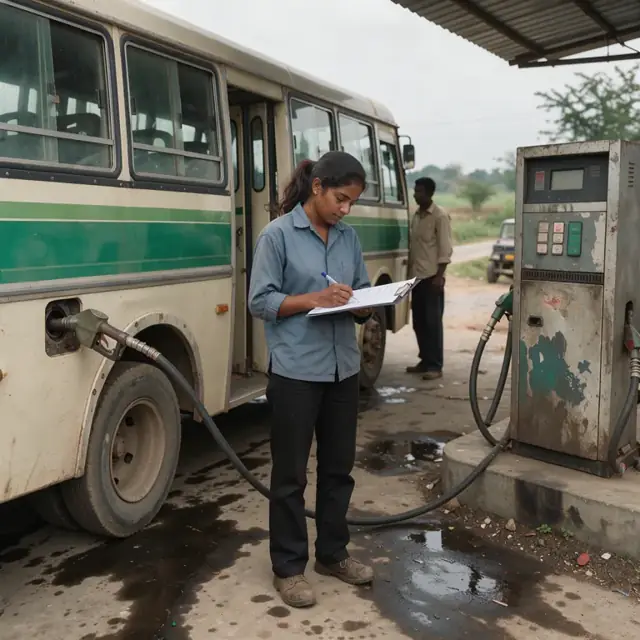
Fuel and Asset Cost Tracker
Log fuel, tolls and operating costs per vehicle and route to maintain accurate utilization records.
Works in: Ambitious Sheets, Ambitious Tasks, Ambitious Docs · Workflows: Fuel, toll and asset logging
Automates
- Captures fuel receipts and mileage from each shift
- Allocates tolls and fees to specific routes
- Calculates cost per mile by vehicle type
- Reconciles fuel card transactions
- Projects next bulk fuel needs
Stops for a person
- The owner approves all fuel and maintenance expenditures
- Discrepancies in fuel usage are reviewed by operations before closing the log

Compliance and Permit Officer
Monitor driver credentials, hours-of-service, permit renewals and prepare required regulatory reports.
Works in: Ambitious Tasks, Ambitious Sheets, Ambitious Docs · Workflows: Driver and regulatory compliance tracking
Automates
- Tracks hours across all drivers and routes
- Alerts before medical cards, CDLs or drug tests expire
- Compiles monthly reports for authorities
- Maintains stop permits and route authorizations
- Archives manifests for required retention
Stops for a person
- Operations manager confirms which local rules and reports apply
- All final reports and filings are reviewed and submitted by people
- The bot never certifies compliance

Real-Time Dispatch Monitor
Watch running routes, update arrival estimates and coordinate responses to delays or breakdowns.
Works in: Ambitious Tasks, Process Optimizer, Email Buckets · Workflows: Real-time dispatch and route monitoring
Automates
- Compares actual versus scheduled departure times
- Calculates updated arrival windows for transfers
- Drafts delay notifications for passenger approval
- Suggests driver or vehicle reassignments
- Logs all deviations for the daily summary
Stops for a person
- The duty dispatcher makes all final rerouting decisions
- Passenger messages are approved before being sent
- Incidents involving passengers are immediately escalated to management

Rider Relations and Follow-up Host
Send post-trip communications, collect feedback and encourage repeat and seasonal bookings.
Works in: Ambitious Tasks, Email Buckets, Ambitious Docs · Workflows: Post-trip feedback and repeat booking
Automates
- Drafts thank-you and feedback request messages
- Identifies frequent riders for targeted reminders
- Maintains notes on recurring special needs
- Prepares seasonal schedule and charter announcements
- Logs complaints for operations review
Stops for a person
- The owner approves every outbound message and promotion
- All negative feedback or lost-item reports are handled by operations staff
Workflows
Reservation intake and manifest building
Starts when: A customer books by phone, email, online form or charter request
- Capture passenger names, count, trip date, origin, destination, special needs and fare type
- Check availability against the published schedule and existing bookings
- Assign seats or space on the correct route or open a new charter record
- Record payment status and draft ticket confirmation
- Add the booking to the daily passenger manifest with boarding notes
Watch for: Wheelchair and mobility device space must be reserved exactly as requested; Charter groups may require capacity overrides on regular routes
Daily driver and vehicle scheduling
Starts when: Midnight before each operating day
- Pull all confirmed reservations and manifests for the coming day
- Assign drivers to routes while respecting hours-of-service limits and rest requirements
- Match vehicles to routes by capacity, lift or ramp availability and current maintenance status
- Generate driver packets containing manifests, route sheets, radio protocols and emergency contacts
- Flag any charter additions that require extra vehicles or drivers
Watch for: Driver start times must allow for pre-trip inspections and fueling; Rural routes require longer recovery windows between runs
Vehicle inspection and maintenance tracking
Starts when: After each trip and on fixed calendar or mileage intervals
- Record post-trip defects reported by drivers
- Schedule and document pre-trip inspections for each vehicle before first run
- Track mileage, oil changes, brake inspections, tire wear and DOT-required service intervals
- Flag vehicles approaching inspection due dates or that must be placed out of service
- Maintain digital logs of all repairs, parts used and mechanic sign-offs
Watch for: Commercial vehicles require annual DOT inspections and random safety audits; Any defect affecting safety must be repaired and signed off before the vehicle returns to service
Fuel, toll and asset logging
Starts when: End of each driver shift and weekly
- Collect fuel receipts, mileage, fuel type and odometer readings per vehicle
- Log tolls, parking and road usage fees by route
- Update vehicle utilization metrics and cost per mile
- Reconcile transactions against supplier fuel cards and bulk purchase records
- Forecast next bulk fuel delivery needs for the fleet
Watch for: Diesel, gasoline and alternative-fuel vehicles tracked separately; Fuel purchases must stay within expected ranges based on route mileage
Driver and regulatory compliance tracking
Starts when: Daily for logs and on renewal cycles
- Monitor driver hours-of-service across all routes and shifts
- Track medical card, CDL, training and drug-test renewal dates
- Compile monthly or quarterly reports required by state and federal transit authorities
- Maintain stop usage agreements, intercity route permits and insurance certificates
- Archive manifests, logs and inspection reports for the required retention period
Watch for: Hours-of-service rules differ for interstate versus intrastate operations; Local authorities may require specific reporting on rural service levels
Real-time dispatch and route monitoring
Starts when: Throughout operating hours when a vehicle departs or an issue arises
- Monitor actual departure from each stop against the published schedule
- Calculate and update estimated arrival times for connecting routes and transfers
- Draft passenger delay or cancellation notifications for approval
- Reassign drivers or vehicles in response to breakdowns, weather or road closures
- Log all deviations, incidents and corrective actions for the daily report
Watch for: Rural routes often have limited cell coverage requiring scheduled radio check-ins; Transfers to other carriers must be confirmed in real time
Post-trip feedback and repeat booking
Starts when: Day after trip completion and on seasonal cadences
- Draft thank-you messages and ride feedback requests
- Identify frequent riders for loyalty or seasonal reminders
- Update notes on recurring special needs for future manifests
- Draft notices of seasonal schedule changes or charter availability
- Log complaints or lost items for operations review
Watch for: Senior and student riders may require simplified language; All outbound messages require owner approval before sending
Bot templates for this industry
Source: U.S. Small Business Administration, Office of Size Standards, Table of Small Business Size Standards Matched to North American Industry Classification System Codes, version March 2023 (effective 2023-03-17, NAICS 2022). Size standards are shown for reference only.