

Support Activities for Rail Transportation
Rail support contractors provide switching, terminal operations, tank-car cleaning, inspection and light maintenance services for freight railroads and shippers. For a yard contractor that switches cuts of cars, cleans and inspects tank cars and performs minor repairs, the specialists turn incoming work orders into validated tasks, build daily switching and cleaning plans around mainline windows, manage locomotive and parts inventory, dispatch crews and equipment, capture inspection records and prepare billing packages. Crew qualifications, track permits, safety logs and FRA paperwork remain with the yard supervisor.
What makes this business different
- Work orders that specify exact railcar initial and number, car type, last contents, required service and any hazards
- Daily switching plans that must fit within railroad-published inbound and outbound windows without blocking mainline tracks
- Coordination of switch engines, multiple crews, track assignments and cleaning tracks while maintaining clear foul time
- Heavy equipment including switcher locomotives, vacuum trucks, pressure-washing rigs, mobile cranes and railcar movers that require daily pre-shift inspections, fuel and FRA-compliant records
- Parts and consumables such as brake shoes, hoses, cleaning chemicals, lubricants and PPE that must be kept at yard par levels
- FRA, OSHA, railroad-specific safety rules, track access permits, lockout-tagout, hazardous materials handling and daily inspection logs
- Billing that references exact railcar identifiers, AAR service codes, start and stop times and supporting documentation
Specialist bots

Work Order Intaker
Convert every incoming railroad work request into validated, scheduled yard tasks.
Works in: Ambitious Tasks, Ambitious Docs, Email Buckets · Workflows: Work order intake and validation
Automates
- Reads and parses railcar initials, numbers, type, last contents, service and hazard details from messages
- Validates against current yard track availability, mainline windows and contract terms
- Creates individual task cards for each distinct service
- Drafts customer acknowledgment with estimated completion
Stops for a person
- The yard supervisor approves track assignments and any off-contract requests
- A person sends all customer confirmations and handles disputes
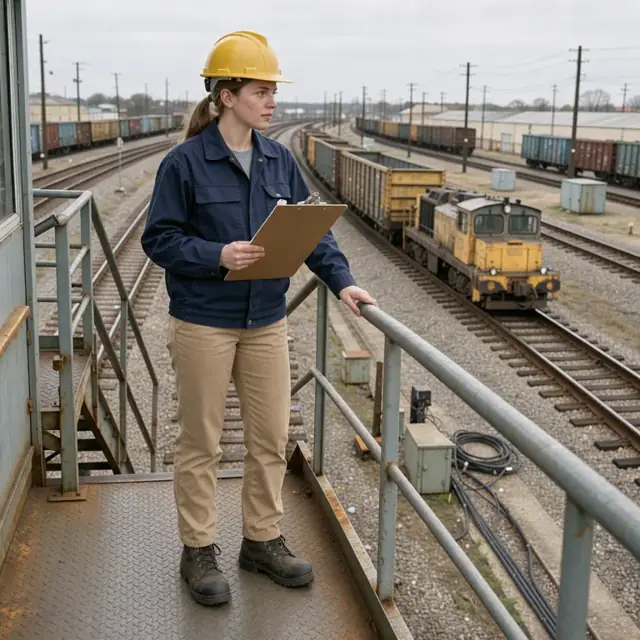
Daily Switching Planner
Build each day's switching sequence and service assignments that respect track and mainline windows.
Works in: Ambitious Tasks, Ambitious Docs · Workflows: Daily switching and service planning
Automates
- Sequences cars and moves to minimize travel distance and track conflicts
- Assigns jobs to specific tracks and available crews
- Produces switch lists, crew task cards and occupancy diagrams
- Flags special handling requirements such as hazmat or confined space
Stops for a person
- The yard supervisor reviews and adjusts the final plan
- Railroad mainline times are confirmed by a qualified person
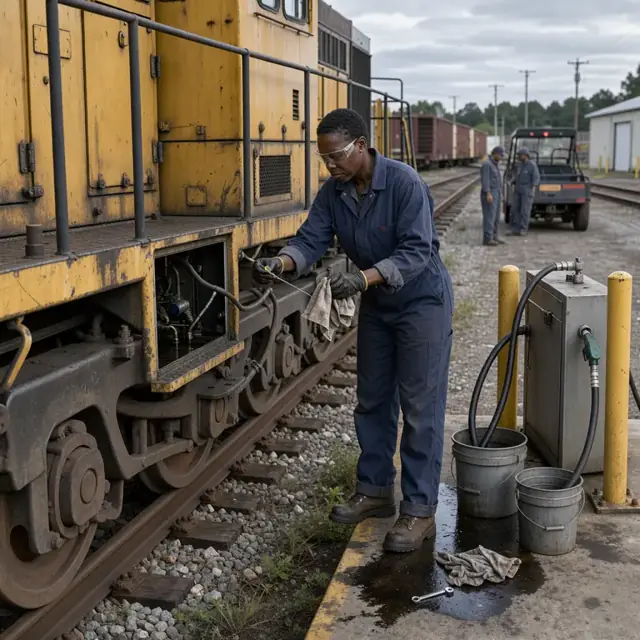
Yard Equipment and Parts Manager
Keep locomotives, mobile equipment and consumables fueled, inspected and stocked for the day's work.
Works in: Ambitious Sheets, Ambitious Tasks, Ambitious Docs · Workflows: Yard equipment and parts inventory
Automates
- Tracks fuel, oil and daily inspection status of each locomotive and asset
- Generates parts, chemical and PPE reorder lists from upcoming jobs
- Schedules preventive maintenance for cranes, washers and railcar movers
- Logs defects found during pre-shift inspections
Stops for a person
- The supervisor performs and signs off all daily equipment inspections
- Purchases and vendor payments are made only by the owner

Crew and Asset Dispatcher
Assign qualified crews and the right equipment to each task and track real-time progress.
Works in: Ambitious Tasks, Ambitious Docs, Process Optimizer · Workflows: Crew and asset dispatch
Automates
- Matches crew certifications to job requirements
- Assigns locomotives, hoses, vacuums and other gear to each task
- Sends digital task packets to crew devices
- Monitors completion times and flags delays for review
Stops for a person
- The yard supervisor makes final crew assignments and handles radio traffic
- Any changes to safety procedures are approved by a person
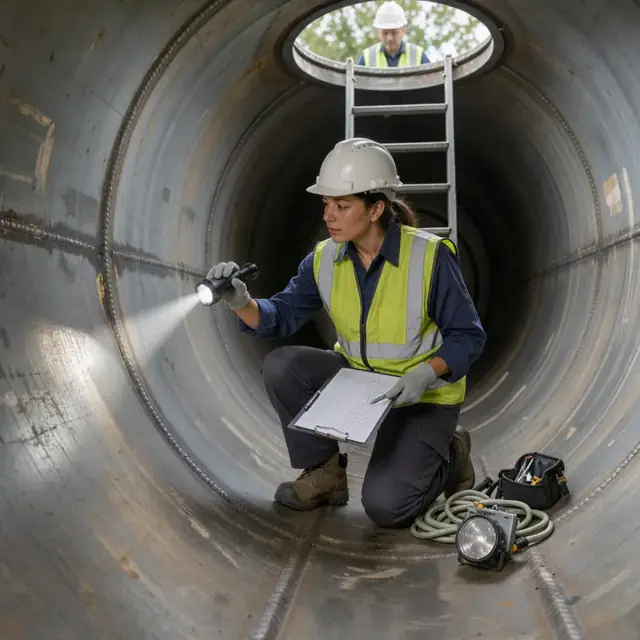
Inspection and Compliance Clerk
Capture cleaning, inspection and safety records and prepare required release paperwork.
Works in: Ambitious Docs, Ambitious Tasks, Ambitious Sheets · Workflows: Inspection, cleaning and compliance logging
Automates
- Organizes photos, test results and wash tickets by railcar
- Fills out cleaning certificates, manifests and temperature logs
- Generates standard release forms checked against the requirements the owner confirms
- Archives completed records by railcar and date
Stops for a person
- The supervisor personally verifies all safety and quality checks
- People confirm and sign any official release documents
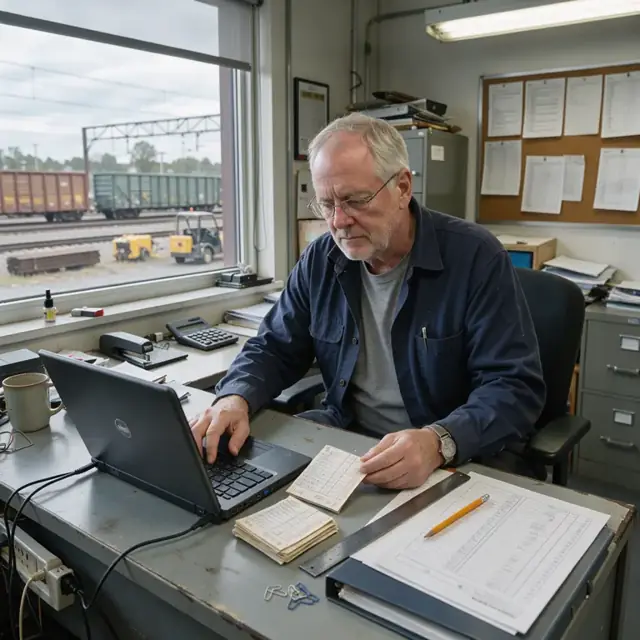
Billing Preparer
Compile exact job times, service codes and supporting records into draft invoices.
Works in: Ambitious Sheets, Ambitious Docs, Ambitious Tasks · Workflows: Job completion and billing preparation
Automates
- Pulls start-stop times, service codes and railcar identifiers from completed tasks
- Applies contract rates to each job
- Attaches logs, photos and certificates to each invoice draft
- Updates car status to released after owner approval
Stops for a person
- The owner reviews and sends every invoice
- Extra work charges require written railroad approval first

Safety and Permit Clerk
Maintain daily safety checklists, track permit and training expirations and keep required plans current.
Works in: Ambitious Tasks, Ambitious Docs, Ambitious Sheets · Workflows: Permit, safety and renewal tracking
Automates
- Generates shift-start safety checklists for crews and assets
- Tracks expiration of track access permits, insurance and operator qualifications
- Maintains current SDS sheets and emergency response plans
- Logs incidents and near-misses for supervisor review
Stops for a person
- The yard supervisor confirms which railroad and regulatory requirements apply each day
- All training, audits and corrective actions are performed and documented by people
Workflows
Work order intake and validation
Starts when: A railroad or shipper sends a new work request by email, portal or direct message
- Parse railcar initials, numbers, type, current location, last commodity, required service and hazards
- Validate against current yard track availability, mainline windows and contract service codes
- Create a separate task for each distinct service on each car
- Draft acknowledgment with estimated completion time
- Flag any special handling or permit requirements
Watch for: Hazardous material residue and placard information must be captured exactly as provided; Track assignments cannot create conflicts with published mainline movements
Daily switching and service planning
Starts when: Each morning when the railroad publishes inbound and outbound cuts
- Incorporate new work orders with cars already on hold in the yard
- Sequence switching moves to minimize locomotive travel, track occupancy and switching events
- Assign cleaning, inspection or repair tasks to specific tracks and available crews
- Flag cars requiring confined-space entry, hazmat or lockout-tagout procedures first
- Produce switch list, crew task cards and track occupancy diagram
Watch for: Yard track capacity and number of available switch engines strictly limit the plan; Mainline departure windows cannot be missed under any circumstance
Yard equipment and parts inventory
Starts when: Daily before first shift and on low-stock alerts
- Check fuel, oil, brake tests and daily inspection status for each locomotive and mobile asset
- Explode scheduled jobs into required tools, parts, consumables and PPE
- Subtract current yard stock and draft reorder list by supplier
- Schedule preventive maintenance for cranes, washers, movers and vacuum trucks
- Log any defects found during pre-shift inspections
Watch for: Switch engines and cranes require FRA-compliant daily inspection records before use; Cleaning chemicals, hoses and PPE must be replenished before the next shift begins
Crew and asset dispatch
Starts when: Start of each shift and as new jobs are added
- Match available crew members with current qualifications to required tasks
- Assign switch engines, hoses, vacuums, cranes and other gear to each job
- Send digital task packets containing car numbers, hazards, procedures and required forms
- Track real-time start, completion and any issues for each service
- Adjust assignments when delays, breakdowns or new mainline cuts occur
Watch for: Crew members must hold current contractor badges and railroad-specific training; Radio protocols and switch safety rules must be followed at all times
Inspection, cleaning and compliance logging
Starts when: After each car is released or at end of each shift
- Capture before-and-after photos, wash tickets, mechanical readings and interior inspection results
- Log tank-car cleaning certificates, waste manifests, temperature readings and test strips
- Generate standard release forms and railroad-specific paperwork
- Flag any defects or out-of-service conditions
- Archive all records by railcar initial, number and date
Watch for: Certain cleaning and inspection records must be retained for multiple years per FRA rules; The yard supervisor must personally verify all safety and quality checks before release
Job completion and billing preparation
Starts when: When a railcar is released or at close of each business day
- Compile exact start and stop times, AAR service codes and railcar identifiers from completed tasks
- Apply contract rates or billable hours
- Attach supporting logs, photos, certificates and manifests
- Draft complete invoice package
- Update railcar status to released in yard inventory
Watch for: Railroads pay only on verified release times and correct service codes; Any extra work or charges require written railroad approval before inclusion
Permit, safety and renewal tracking
Starts when: Daily at shift start and on fixed calendar dates
- Generate daily safety checklist for each crew, locomotive and work location
- Track expiration dates for track access permits, insurance certificates and operator qualifications
- Remind the supervisor of upcoming FRA audits, refresher training or permit renewals
- Maintain current SDS sheets and emergency response plans for all chemicals on site
- Log all incidents, near-misses and corrective actions
Watch for: Track access rules vary by railroad and specific yard agreement; The yard supervisor confirms which permits, procedures and training apply to each job
Bot templates for this industry
Source: U.S. Small Business Administration, Office of Size Standards, Table of Small Business Size Standards Matched to North American Industry Classification System Codes, version March 2023 (effective 2023-03-17, NAICS 2022). Size standards are shown for reference only.