

Port and Harbor Operations
Port and harbor operations manage vessel arrivals and departures, berth assignments, cargo handling coordination, pilotage, tug services, dockage, wharfage and regulatory compliance at marine terminals. Specialists turn vessel notices into berth and service schedules, coordinate with pilots and tugs, track cargo and equipment movements, manage billing for dockage and services, and maintain required logs and inspections while the harbormaster and operations leads retain final approval on all movements and expenditures.
What makes this business different
- Vessel arrival and departure notices with exact ETA, ETB, ETD, draft, length, beam and cargo details that must be captured precisely
- Berth scheduling limited by channel depth, tide windows, berth length, crane reach and adjacent vessel compatibility
- Coordination with federal, state and local authorities including pilots, coast guard, customs and environmental agencies
- Tug, pilot and line-handling service requests that must be dispatched with precise timing
- Real-time tracking of vessel movements, crane and equipment utilization, and berth occupancy
- Cargo manifests, bills of lading, hazardous materials declarations and security declarations that must be verified
- Daily, weekly and seasonal billing for dockage, wharfage, pilotage, tug hire, storage and utilities with tide and seasonal adjustments
- Maintenance of security perimeters, spill response plans, ballast water logs and facility inspection records
- Weather, tide and current dependencies that can shift all schedules on short notice
Specialist bots
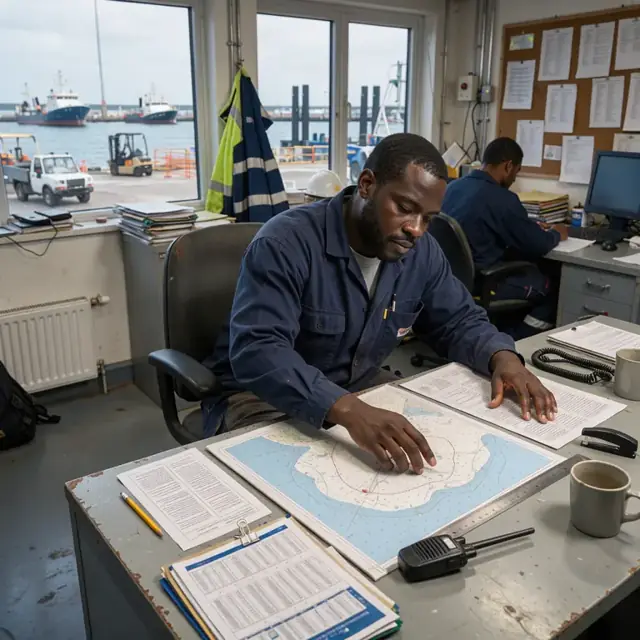
Vessel Intake Coordinator
Turn every vessel notice and service request into a verified master call file with accurate details and initial berth feasibility.
Works in: Ambitious Tasks, Ambitious Docs, Email Buckets · Workflows: Vessel notice and service request intake
Automates
- Reads and parses incoming notices and attachments
- Extracts IMO, dimensions, draft, cargo and service requests
- Checks against known restrictions and tide tables
- Drafts confirmation messages
- Creates the vessel master task
Stops for a person
- The harbormaster approves all provisional berth assignments
- Hazardous declarations and special requests are confirmed by operations staff
- A person sends all formal confirmations to vessel agents

Berth Scheduler
Assign berths and create the daily operational schedule while accounting for vessel characteristics, tides and weather.
Works in: Ambitious Tasks, Ambitious Sheets, Process Optimizer · Workflows: Berth assignment and daily schedule
Automates
- Compiles all pending arrivals and current berth status
- Matches vessel dimensions and cargo to available berths
- Factors tide and weather windows
- Generates and distributes the daily schedule
- Updates schedule on any reported delay
Stops for a person
- The harbormaster reviews and approves the daily berth plan
- Operations leads confirm any berth changes with vessel agents

Pilot and Tug Dispatcher
Coordinate pilot and tug requests, issue dispatch orders and track actual movement times.
Works in: Ambitious Tasks, Ambitious Docs, Email Buckets · Workflows: Pilot and tug dispatch coordination
Automates
- Monitors vessel readiness messages
- Sends service requests to pilot association and tug companies
- Builds timed dispatch orders with boarding details
- Tracks actual times against schedule
- Logs movements for billing
Stops for a person
- The harbormaster approves high-priority or unusual dispatch requests
- All final movement orders are confirmed by a licensed operator

Cargo and Equipment Tracker
Monitor cargo operations, equipment utilization and yard inventory in real time for each vessel call.
Works in: Ambitious Tasks, Ambitious Sheets, Ambitious Docs · Workflows: Cargo and equipment movement tracking
Automates
- Records berthing and cargo start times
- Tracks crane and equipment hours per vessel
- Updates cargo tallies against manifests
- Assigns yard storage locations
- Flags discrepancies or damage reports
Stops for a person
- Terminal operators confirm actual cargo counts and equipment readings
- Any damage or exception reports are reviewed by claims staff before filing

Billing and Tariff Coordinator
Compile usage data from each vessel call and draft accurate invoices according to the published tariff.
Works in: Ambitious Sheets, Ambitious Docs, Contract Analyzer · Workflows: Dockage, wharfage and service billing
Automates
- Pulls dockage time, tonnage, service logs and equipment hours
- Applies correct tariff rates and adjustments
- Drafts itemized invoices with supporting documentation
- Tracks payment status
- Flags disputes for review
Stops for a person
- The finance lead reviews and approves every invoice before sending
- Disputed charges are resolved by operations and accounting staff

Compliance and Permit Clerk
Maintain regulatory checklists, inspection logs, permit renewals and required environmental and security records.
Works in: Ambitious Tasks, Ambitious Docs, Ambitious Sheets · Workflows: Regulatory compliance and inspection readiness
Automates
- Generates daily and event-triggered checklists
- Logs ballast water, waste reception, spill drills and facility inspections
- Tracks expiration of permits and certificates
- Compiles audit-ready record packages
- Maintains current versions of required plans
Stops for a person
- The harbormaster confirms which agency requirements apply to each situation
- People perform and sign off on all physical inspections and corrective actions
- All records are reviewed by staff before submission to authorities
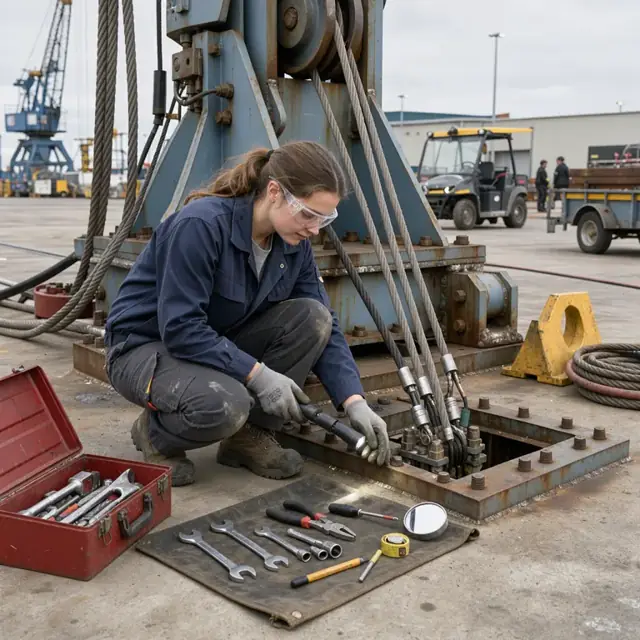
Maintenance Scheduler
Identify maintenance needs, find non-conflicting work windows and coordinate contractors while keeping assets current.
Works in: Ambitious Tasks, Ambitious Sheets, Process Optimizer · Workflows: Facility and equipment maintenance scheduling
Automates
- Compiles outstanding maintenance items for docks and equipment
- Finds open windows between vessel operations and tides
- Drafts work orders for contractors
- Tracks completion and updates asset records
- Maintains maintenance history for inspections
Stops for a person
- The operations manager approves all maintenance schedules and expenditures
- Contractors and port staff sign off on completed work
- Critical navigation aids are taken offline only after proper notifications
Workflows
Vessel notice and service request intake
Starts when: A shipping line, agent or vessel operator submits an arrival notice or service request by email, form or direct message
- Capture vessel name, IMO, ETA, ETB, ETD, draft, length, beam, cargo type, hazardous declarations and requested services
- Check against berth availability, tide windows, channel restrictions and adjacent vessel compatibility
- Draft confirmation of accepted services and provisional berth window
- Create a master task for the vessel call with all attached notices and manifests
- Flag any special requirements such as pilot, tugs, cranes or environmental holds
Watch for: Exact vessel dimensions and tide-dependent drafts must match port restrictions; Hazardous cargo declarations must be captured verbatim and never assumed
Berth assignment and daily schedule
Starts when: Daily at 0600 and upon any change in vessel ETA
- Compile all confirmed and provisional arrivals for the next 72 hours
- Assign berths based on vessel size, cargo type, crane availability, tide and adjacent occupancy
- Adjust for weather, current and tide constraints using current forecasts
- Publish the daily berth schedule and notify all parties
- Update the schedule in real time when delays occur
Watch for: Berth changes can cascade across multiple vessels and services; Tide and current windows are non-negotiable for certain vessels
Pilot and tug dispatch coordination
Starts when: Four hours before scheduled movement or upon vessel readiness confirmation
- Confirm vessel readiness and current position
- Request pilot from the pilot association and tugs from contracted providers
- Draft dispatch orders with exact times, boarding locations and special instructions
- Track actual boarding and movement times
- Log completion and any deviations for billing
Watch for: Pilot and tug availability can be limited during peak periods or bad weather; Exact boarding times and locations must be coordinated with vessel masters
Cargo and equipment movement tracking
Starts when: Upon vessel berthing and throughout cargo operations
- Record actual berthing time and start of cargo operations
- Track crane, forklift, conveyor and other equipment utilization per vessel
- Monitor cargo discharge and loading against manifests
- Update storage and yard inventory locations
- Flag any damaged cargo or operational issues for reports
Watch for: Hazardous and reefer cargo require special monitoring and segregation; Equipment utilization directly affects wharfage and handling invoices
Dockage, wharfage and service billing
Starts when: Upon vessel departure or weekly for long-term vessels
- Compile all services used: dockage time, wharfage tonnage, pilotage, tugs, cranes, utilities and storage
- Apply correct tariff rates, tide adjustments and seasonal multipliers
- Draft invoice with supporting logs and manifests
- Send draft invoice for approval
- Record payment status and follow up on outstanding balances
Watch for: Tariffs differ by cargo type, vessel flag and length of stay; Disputes over time and tonnage must be resolved with logged evidence
Regulatory compliance and inspection readiness
Starts when: Every shift, upon vessel arrival and on fixed calendar dates
- Generate daily security, environmental and safety checklists
- Log ballast water, waste reception, spill drills and facility inspections
- Track expiration dates for facility permits, licenses and security certificates
- Compile records required for coast guard, customs and environmental audits
- Maintain current versions of the port's emergency and spill response plans
Watch for: Different federal, state and local agencies require overlapping but distinct records; The harbormaster confirms which requirements apply to each vessel and facility
Facility and equipment maintenance scheduling
Starts when: Weekly and after any incident or inspection
- Compile outstanding maintenance for docks, cranes, fenders, lighting and navigation aids
- Identify windows that avoid interfering with vessel operations
- Draft work orders and coordinate with contractors
- Track completion and update asset status
- Maintain maintenance logs for regulatory inspections
Watch for: Maintenance must be scheduled around tide, weather and vessel traffic; Critical navigation and safety equipment cannot be taken out of service without proper notice
Bot templates for this industry
- Port and Harbor Operations (7 bots)
Source: U.S. Small Business Administration, Office of Size Standards, Table of Small Business Size Standards Matched to North American Industry Classification System Codes, version March 2023 (effective 2023-03-17, NAICS 2022). Size standards are shown for reference only.