

Other Support Activities for Water Transportation
Providers of dock and marina support, vessel provisioning, barge fleeting, marine salvage coordination, and harbor maintenance services handle vessel arrivals, supply orders, work permits, equipment dispatch, regulatory filings and billing for transient and seasonal marine traffic. Specialists turn dock requests into scheduled berths and work orders, orders into provisioning lists and delivery routes, work plans into equipment dispatch and safety logs, and all activity into inspected, billed records. The dockmaster keeps final say on safety, tides, permits and vessel priority.
What makes this business different
- Vessel-specific requests for berthing, fuel, water, ice, provisions, waste removal, repairs or towing that must match exact arrival times and tide windows
- Seasonal surges in recreational, fishing and commercial traffic requiring advance scheduling and wait lists
- Coordination with multiple third-party suppliers, pilots, inspectors, and contractors at the dock or on the water
- Heavy equipment such as cranes, pumps, barges, workboats and fenders that must be tracked, maintained and dispatched
- Local, state and federal permits, captain-of-the-port notices, environmental logs, security protocols and incident reports
- Tidal, weather and current data that affect every schedule and safety call
- Billing that mixes dockage, utilities, labor, equipment rental and third-party services with rapid invoice turnaround
Specialist bots

Vessel Intake Coordinator
Turn every captain or agent request into a verified service task with all vessel and timing details.
Works in: Ambitious Tasks, Ambitious Docs, Email Buckets · Workflows: Vessel arrival and service request intake
Automates
- Reads and parses incoming requests from multiple channels
- Pulls vessel specifications and required services
- Checks initial tide and space availability
- Drafts arrival confirmation
- Creates the master service task
Stops for a person
- The dockmaster approves any non-standard requests or priority shifts
- A person confirms all hazardous material declarations
- Final confirmation messages are sent by a person

Berth and Dock Scheduler
Assign berths and create daily dock movement plans that respect vessel size, tide and traffic.
Works in: Ambitious Tasks, Ambitious Sheets · Workflows: Berth and dock scheduling
Automates
- Maps current and forecasted vessel locations on the dock layout
- Calculates safe tide windows for each arrival and departure
- Builds the daily schedule and movement sequence
- Drafts notifications to captains and agents
Stops for a person
- The dockmaster reviews and adjusts every daily plan before release
- Priority changes or emergency vessels are inserted by the dockmaster
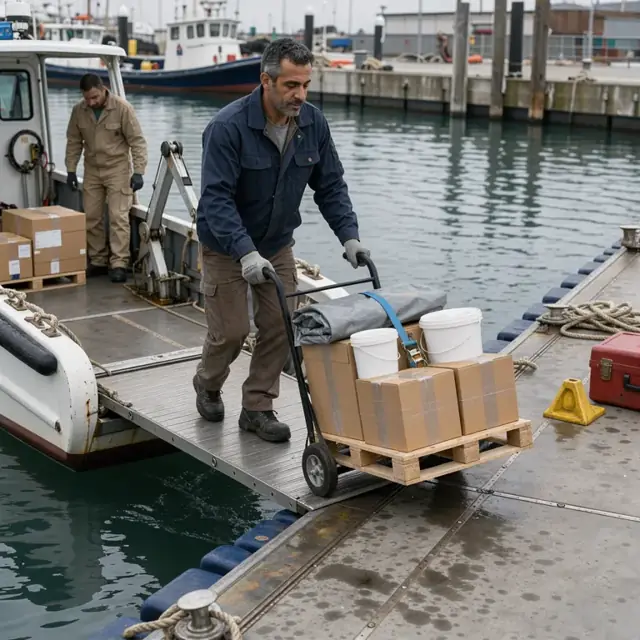
Provisioning and Supply Coordinator
Compile supply orders, coordinate vendor deliveries and prepare dockside checklists.
Works in: Ambitious Tasks, Ambitious Docs, Ambitious Sheets · Workflows: Provisioning and supply coordination
Automates
- Builds consolidated order lists from all vessel requests
- Creates purchase orders for fuel, ice, water and stores
- Aligns delivery times with tide and vessel arrival
- Tracks vendor confirmations and generates dockside receiving checklist
Stops for a person
- The dockmaster or captain approves final quantities and substitutions
- A person signs for and inspects all delivered goods

Equipment and Work Dispatcher
Assign cranes, barges, workboats and crews to scheduled jobs and track completion.
Works in: Ambitious Tasks, Ambitious Sheets · Workflows: Equipment and crew dispatch
Automates
- Lists all daily work requests and required equipment
- Matches jobs to available certified assets and operators
- Builds sequenced dispatch schedule
- Generates work orders and safety briefs
- Logs job start and finish times
Stops for a person
- The dockmaster or lead operator approves the daily dispatch plan
- Crews report field changes and safety issues directly to a person

Regulatory and Safety Clerk
Maintain daily safety checklists, environmental logs, permit trackers and required regulatory notices.
Works in: Ambitious Tasks, Ambitious Docs, Ambitious Sheets · Workflows: Regulatory permit and safety logging
Automates
- Generates daily checklists for each active job and vessel
- Logs fuel transfers, waste volumes and observations
- Tracks renewal dates for all permits and certifications
- Prepares draft notices for Captain of the Port or local authorities
Stops for a person
- The dockmaster reviews and signs every log and report before submission
- A person confirms which local, state and federal requirements apply each season
- All regulatory filings are reviewed by the responsible person

Service Billing Specialist
Compile all dockage, equipment and service charges into accurate invoices backed by logs.
Works in: Ambitious Sheets, Ambitious Docs, Ambitious Tasks · Workflows: Service billing and collections
Automates
- Pulls charges from completed task logs and meter readings
- Builds itemized invoice drafts with supporting documentation
- Applies contract rates or adjustments
- Tracks invoice status and follow-up reminders
Stops for a person
- The owner or dockmaster approves every invoice before it is sent
- Disputes or adjustments are resolved by a person
- A person handles collections and applies payments
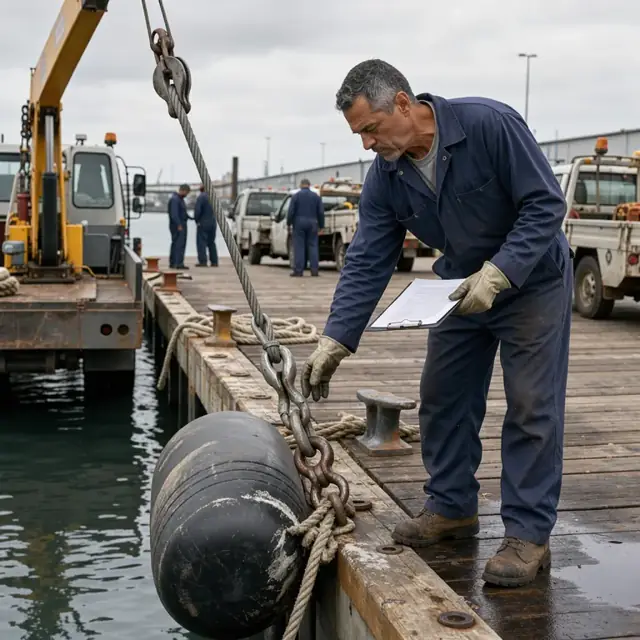
Dock and Equipment Maintenance Coordinator
Track preventive maintenance, inspections and repairs for all docks, cranes, pumps and workboats.
Works in: Ambitious Tasks, Ambitious Sheets, Ambitious Docs · Workflows: Dock and equipment maintenance tracking
Automates
- Generates weekly and post-storm inspection checklists
- Logs inspection results and flags items needing repair
- Schedules contractor visits when required
- Maintains parts inventory for common repairs
- Updates the master equipment register
Stops for a person
- The dockmaster reviews all inspection findings and decides on repairs
- A certified person performs and signs off on load tests and major maintenance
Workflows
Vessel arrival and service request intake
Starts when: A captain, agent or owner submits a request by radio, email, form or direct message
- Capture vessel name, size, draft, arrival time, requested services and special needs
- Check against dock space, tide tables, channel depth and current capacity
- Confirm or propose alternate time windows and draft confirmation
- Create a master service task with all requirements attached
- Flag any required permits or notifications
Watch for: Draft and tide constraints must be respected for safe berthing; Hazardous cargo or special waste streams require immediate flagging
Berth and dock scheduling
Starts when: Daily at 0600 and after each new request
- Review all pending and active vessel requests against available slips and transient space
- Assign berths considering vessel length, beam, tide, wind and neighboring traffic
- Build daily dock layout and movement plan
- Notify captains and agents of assigned time and location
- Update the live dock status board
Watch for: Seasonal events and fishing openings create sudden spikes in demand; Priority given to emergency, commercial and government vessels
Provisioning and supply coordination
Starts when: After berth confirmed and 24 hours before arrival
- Compile all requested supplies, fuel, water, ice, stores and waste service needs
- Generate purchase orders or call sheets for each supplier or contractor
- Schedule delivery windows that align with vessel arrival and tide
- Track confirmations and ETA from each vendor
- Prepare dockside checklist for loading or offloading
Watch for: Perishable ice and food must be fresh at time of delivery; Fuel and waste trucks require spill-prevention setup before arrival
Equipment and crew dispatch
Starts when: Morning of each work day and on demand
- List all scheduled crane, pump, barge, workboat and diver jobs for the day
- Assign available equipment and certified operators to each task
- Create timed dispatch sequence considering tide, traffic and safety zones
- Send work orders and safety briefs to crews
- Log start, completion and any issues for each job
Watch for: Equipment must be inspected daily before use; Work near navigable channels requires Coast Guard and local harbor coordination
Regulatory permit and safety logging
Starts when: Before any vessel movement or work begins and on fixed calendar dates
- Generate daily safety and environmental checklist for each active vessel and job
- Record fuel transfers, waste volumes, bilge pumping and incident observations
- Track expiration of dock operating permits, insurance, captain licenses and equipment certifications
- Prepare and file required notices to the Captain of the Port or local authorities
- Maintain audit-ready logs of all activities
Watch for: Multiple overlapping federal, state and local jurisdictions apply; All logs and reports are reviewed and signed by the dockmaster or captain before filing
Service billing and collections
Starts when: Daily after services rendered and at month end
- Compile all dockage, utility, equipment, labor and third-party charges per vessel
- Generate itemized invoice drafts with supporting logs and photos
- Apply any agreed discounts or contract rates
- Send invoices for approval and track payment status
- Reconcile supplier invoices against customer billings
Watch for: Charges must be backed by timestamped logs and captain signatures; Disputes over tide delays or weather downtime require documentation
Dock and equipment maintenance tracking
Starts when: Weekly and after each heavy use or storm
- Run preventive maintenance checklist for docks, fenders, cranes, pumps and workboats
- Log inspection results and flag items needing repair or replacement
- Schedule outside contractors when required
- Track parts inventory for common repairs
- Update asset status in the master equipment register
Watch for: Floating docks and pilings require frequent tidal and storm damage checks; Heavy equipment has strict load-test and certification cycles
Bot templates for this industry
Source: U.S. Small Business Administration, Office of Size Standards, Table of Small Business Size Standards Matched to North American Industry Classification System Codes, version March 2023 (effective 2023-03-17, NAICS 2022). Size standards are shown for reference only.