

Freight Transportation Arrangement
Freight brokers and forwarders arrange pickup, routing, and delivery of shipments using third-party carriers. For an operation that books truck, rail, ocean and air moves for shippers of pallets, containers and LTL freight, the specialists turn customer requests into booked loads, convert loads into carrier assignments and route plans, track in-transit status, manage documents and invoices, and maintain compliance paperwork. Rate negotiation, carrier qualification and final sign-off stay with the broker.
What makes this business different
- Shipper requests with exact origin, destination, commodity, weight, dimensions, special handling needs and required delivery dates
- Carrier capacity matching across truckload, less-than-truckload, intermodal, ocean and air modes
- Real-time tracking of loads with status updates to shippers and receivers
- Generation and collection of bills of lading, proofs of delivery, customs forms and insurance certificates
- Rate quotes that include fuel surcharges, accessorials and detention fees
- Carrier qualification files including authority, insurance and safety ratings
- Seasonal surges in freight volume around holidays and peak retail periods
- Dispute resolution between shippers, carriers and receivers on damages or delays
Specialist bots

Quote Specialist
Convert shipper requests into accurate multi-mode freight quotes with all charges.
Works in: Ambitious Tasks, Ambitious Sheets, Ambitious Docs · Workflows: Quote request intake and rate development
Automates
- Parses incoming requests for origin, destination, freight details and requirements
- Pulls lane history and current market rates
- Builds quote with base rate, fuel, accessorials and terms
- Drafts quote document for review
Stops for a person
- The broker reviews and approves all quotes before sending
- Special handling or hazardous quotes receive extra scrutiny

Load Booker
Turn accepted quotes into booked loads and assign qualified carriers.
Works in: Ambitious Tasks, Ambitious Docs, Email Buckets · Workflows: Load booking and carrier assignment
Automates
- Creates the load record with all shipper requirements
- Matches load to available carriers by equipment and lane
- Sends tender with instructions and confirms acceptance
- Generates initial tracking task
Stops for a person
- The broker selects and confirms the final carrier
- Rate concessions or special equipment needs are approved by a person
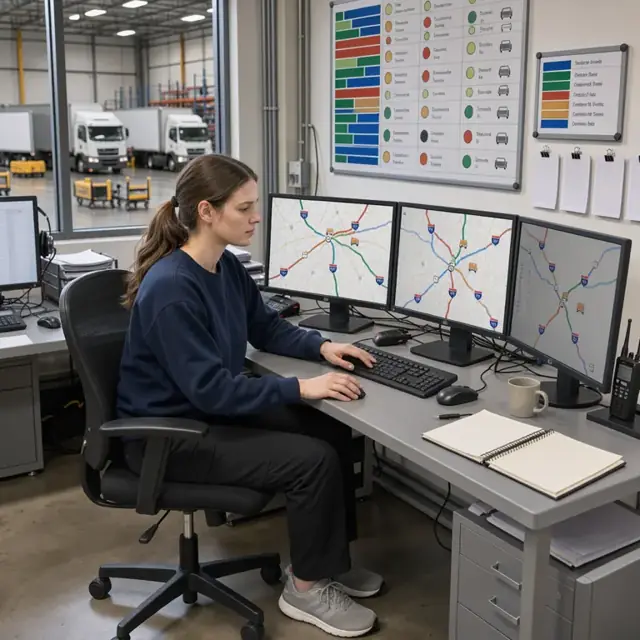
Tracking Coordinator
Monitor in-transit loads, send status updates and handle exceptions.
Works in: Ambitious Tasks, Ambitious Docs, Email Buckets · Workflows: In-transit tracking and exception handling
Automates
- Collects carrier status updates and location data
- Generates milestone reports for customers
- Flags delays or exceptions for immediate attention
- Updates delivery estimates
Stops for a person
- The broker communicates with carriers on major exceptions
- Customer notifications are reviewed before sending

Document and Compliance Clerk
Assemble, verify and archive all required freight and customs documents.
Works in: Ambitious Docs, Ambitious Tasks, Contract Analyzer · Workflows: Freight documentation and compliance, Carrier onboarding and qualification
Automates
- Generates bills of lading from load data
- Checks carrier authority and insurance documents
- Assembles final document packets after delivery
- Tracks expiration dates on carrier credentials
Stops for a person
- The broker confirms all carrier qualifications meet requirements the owner confirms
- A person reviews and signs final compliance paperwork

Billing and Settlement Specialist
Create customer invoices, audit carrier bills and manage payment flows.
Works in: Ambitious Sheets, Ambitious Docs, Ambitious Tasks · Workflows: Billing and carrier payment
Automates
- Builds invoices from load rates and accessorial documentation
- Compares carrier invoices against agreed terms
- Prepares payment runs once funds clear
- Tracks outstanding receivables
Stops for a person
- The owner approves all payments to carriers
- Disputed accessorial charges are resolved by a person

Capacity Planner
Forecast freight volume, identify capacity gaps and secure carrier commitments.
Works in: Ambitious Sheets, Process Optimizer, Ambitious Tasks · Workflows: Capacity planning and forecasting
Automates
- Analyzes upcoming loads against historical lane data
- Highlights potential shortages by mode and region
- Drafts outreach to core carriers for capacity
- Suggests pricing adjustments during tight periods
Stops for a person
- The broker negotiates final carrier commitments
- Pricing changes during peak seasons require owner approval
Workflows
Quote request intake and rate development
Starts when: A shipper submits a request by email, portal form or phone message
- Capture origin, destination, commodity details, weight, dimensions, required transit time and any special equipment or handling needs
- Determine mode and carrier options based on equipment availability and lane history
- Calculate or pull rates including base freight, fuel, accessorials and any special charges
- Draft a formal quote with all terms and validity period
- Record the quote in the active pipeline
Watch for: Accurate dimensions and weights are required to prevent reweigh or reclassification charges; Hazardous materials, temperature control or oversized loads require specific carrier vetting
Load booking and carrier assignment
Starts when: Shipper accepts a quote
- Convert the quote into a booked load with confirmed pickup and delivery dates
- Search and select qualified carriers based on equipment type, lane performance and availability
- Negotiate final rate and send carrier confirmation
- Issue the load tender with all pickup, delivery and handling instructions
- Create tracking task and notify shipper of booked status
Watch for: Carrier must meet equipment and insurance minimums for the specific commodity; Same-day or next-day loads require immediate carrier confirmation
In-transit tracking and exception handling
Starts when: Carrier departs pickup or on a daily schedule
- Record initial pickup confirmation and generate bill of lading
- Monitor carrier-provided status updates and geolocation pings
- Send proactive status reports to shipper and receiver at key milestones
- Identify and escalate delays, damage reports or other exceptions
- Update all parties and adjust delivery expectations
Watch for: Temperature-controlled loads require continuous monitoring of reefer data; Cross-border shipments need customs clearance status checks
Freight documentation and compliance
Starts when: Load is booked and again at delivery
- Generate or collect bill of lading, packing list and any required certificates
- Verify carrier authority, insurance and safety records before tender
- Collect proof of delivery and any additional required signatures or photos
- Assemble final document packet for billing
- Archive records for the required retention period
Watch for: International shipments require commercial invoices, certificates of origin and customs forms; Regulated commodities need specific declarations and permits
Billing and carrier payment
Starts when: Proof of delivery received
- Create freight invoice from agreed rate and any accessorials
- Audit invoice against original quote and actual charges
- Send approved invoice to shipper with supporting documents
- Receive and verify carrier invoice against load terms
- Process carrier payment once shipper funds are received
Watch for: Accessorial charges must be documented with photos or signed forms; Quick-pay carrier discounts require owner approval before processing
Carrier onboarding and qualification
Starts when: New carrier applies or on annual review
- Collect authority, W-9, insurance certificates and safety data
- Run compliance checks against insurance and authority databases
- Enter carrier into active roster with lane and equipment profile
- Monitor ongoing performance and insurance expirations
- Maintain active and inactive carrier lists
Watch for: Minimum insurance limits vary by commodity and mode; The broker confirms all carrier qualifications before use
Capacity planning and forecasting
Starts when: Weekly and before known peak seasons
- Review upcoming booked and quoted loads by lane and mode
- Identify potential capacity shortfalls using historical data
- Reach out to core carriers for committed capacity
- Adjust pricing or mode suggestions when capacity tightens
- Update shippers on expected transit changes during peak periods
Watch for: Retail and agricultural seasons create predictable surges; Weather events can suddenly reduce available truck capacity
Bot templates for this industry
- Freight Transportation Arrangement (6 bots)
Source: U.S. Small Business Administration, Office of Size Standards, Table of Small Business Size Standards Matched to North American Industry Classification System Codes, version March 2023 (effective 2023-03-17, NAICS 2022). Size standards are shown for reference only.