

Packing and Crating
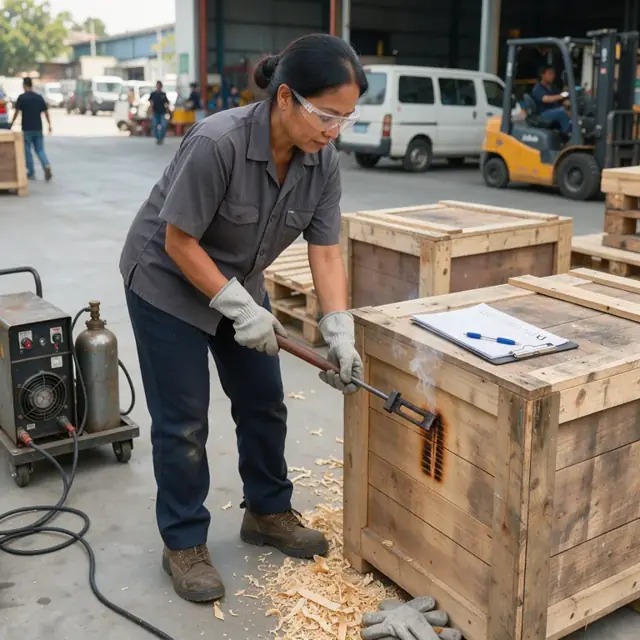
Packing and crating businesses receive customer items or bulk goods, build custom wood crates or use standard containers, apply protective packing materials, label for transport, and prepare documentation for carriers. For an operation that receives daily inbound shipments of machinery parts, artwork and industrial equipment, the specialists convert customer instructions into a packing spec, generate a daily crate-and-pack schedule, explode orders into a bill of materials for lumber and cushioning, track reusable crates and strapping inventory, and produce carrier-ready shipping documents. The owner or lead packer confirms every crate design, hazardous-material declarations and final load securement.
What makes this business different
- Custom crating requirements that vary by item fragility, size, weight, destination and mode of transport
- Daily inbound receiving with variable item counts and unpredictable dimensions
- Build-to-order wood crates using dimensional lumber, plywood, screws and foam or corrugated inserts
- Tracking of reusable crates, pallets, strapping and cushioning materials with depletion and repair cycles
- Hazardous material declarations, ISPM-15 heat-treatment stamps for export wood packaging and carrier-specific labeling
- Load securement, stackability and forklift access considerations for warehouse and dock handoff
- Carrier paperwork including bills of lading, packing lists and commercial invoices that must match the physical crate exactly
Specialist bots

Intake Coordinator
Convert every customer packing request and incoming shipment into a complete, floor-ready specification.
Works in: Ambitious Tasks, Ambitious Docs, Email Buckets · Workflows: Order and specification intake
Automates
- Reads incoming requests and extracts dimensions, fragility and destination data
- Checks against carrier and material constraints
- Drafts the packing specification sheet
- Attaches reference photos to the task
- Creates the crating task for the floor
Stops for a person
- The lead packer approves any non-standard packing methods
- Hazardous material declarations are reviewed and signed by the owner
- A person sends order confirmations and handles pricing questions

Daily Crating Scheduler
Turn the day's confirmed orders into an optimized crating schedule and station assignments.
Works in: Ambitious Tasks, Process Optimizer, Ambitious Sheets · Workflows: Daily crating and packing schedule
Automates
- Groups orders by size and required completion time
- Sequences jobs to minimize lumber cuts and equipment changes
- Assigns pack stations and flags two-person jobs
- Generates cut lists and station labels
Stops for a person
- The lead packer reorders the schedule based on shop conditions
- Final daily schedule is approved before work begins

Materials Planner
Convert crate designs into accurate bills of materials and maintain stock of lumber, fasteners and cushioning.
Works in: Ambitious Sheets, Ambitious Tasks · Workflows: Materials and inventory planning
Automates
- Explodes each crate into a precise material list
- Subtracts current inventory levels
- Drafts purchase orders by supplier
- Tracks reusable crates and flags repairs
- Calculates scrap and offcut reuse
Stops for a person
- The owner places all purchase orders and spends money
- Any material substitution that affects crate strength is approved by the lead packer

Crate Design Engineer
Design custom crates with appropriate bracing, cushioning and load ratings for each unique item.
Works in: Ambitious Docs, Process Optimizer, Ambitious Tasks · Workflows: Crate design and engineering
Automates
- Generates cut lists and assembly diagrams from item dimensions
- Calculates required bracing and fastener patterns
- Checks design against carrier rules and international standards
- Produces scaled drawings for the shop floor
Stops for a person
- The owner reviews and approves every new or complex crate design
- Final load ratings and securement methods are confirmed by the lead packer before building

Shipping Document Clerk
Produce complete, carrier-ready bills of lading, packing lists and export paperwork that exactly match each crate.
Works in: Ambitious Docs, Contract Analyzer, Ambitious Tasks · Workflows: Shipping documentation and labeling
Automates
- Populates bills of lading and invoices from order data
- Applies correct labels and symbols
- Checks documents against carrier requirements
- Prepares and transmits electronic copies
Stops for a person
- The owner or lead packer verifies that every document matches the physical crate before release
- Hazardous material declarations are signed by a person
- A person transmits final documents to carriers

Carrier Handover Coordinator
Schedule carrier pickups, stage crates on the dock and record successful handovers.
Works in: Ambitious Tasks, Ambitious Docs · Workflows: Carrier scheduling and handover
Automates
- Groups completed crates by carrier and zone
- Drafts pickup requests with accurate weights
- Books dock appointments
- Records handover confirmations and tracking numbers
Stops for a person
- The owner approves any special carrier arrangements or oversized shipments
- Dock staff confirm physical condition before loading
Compliance and Permit Clerk
Maintain daily checklists for heat treatment, labeling and documentation standards and track all required licenses and certifications.
Works in: Ambitious Tasks, Ambitious Docs, Ambitious Sheets · Workflows: Compliance and permit tracking
Automates
- Generates daily stamping and inspection checklists
- Tracks renewal dates for licenses and insurance
- Maintains records of ISPM-15 treatments
- Flags missing customer declarations
Stops for a person
- The owner confirms which rules apply to each destination and shipment type
- All stamps, certifications and corrective actions are performed and signed by people
- The bot never certifies compliance
Workflows
Order and specification intake
Starts when: Customer submits packing request by email, portal form or arriving shipment notification
- Capture item descriptions, quantities, dimensions, weights, fragility notes and destination requirements
- Check against available crate sizes, materials on hand and carrier restrictions
- Confirm pickup or delivery window and any special handling instructions
- Draft the packing specification sheet with diagrams and material list
- Create a task for the crating floor with photos of the item if provided
Watch for: Exact dimensions and weight must be recorded to prevent crate failure; Hazardous or temperature-sensitive items require separate flagging before any crate is built
Daily crating and packing schedule
Starts when: Each morning after overnight order intake and receiving
- Pull all confirmed orders for the day and group by required completion time
- Assign crate types and pack stations based on item size and complexity
- Sequence jobs to optimize lumber cutting and shared equipment such as the chop saw and pneumatic nailer
- Flag any export crates that require heat-treatment marking
- Print labels, packing lists and hazard warnings for each crate
Watch for: Lumber cutting must be batched to reduce waste; Heavy items require two-person lifts and must be scheduled when help is present
Materials and inventory planning
Starts when: After daily schedule is locked and weekly for restocking
- Explode each crate spec into a precise bill of materials for lumber, screws, foam, strapping and pallets
- Subtract current stock and flag items below reorder points
- Draft purchase orders for lumber yard and packaging suppliers
- Update reusable crate inventory and schedule repairs
- Track offcuts and scrap for reuse or disposal
Watch for: Dimensional lumber must be ordered in standard lengths to minimize saw waste; ISPM-15 certified wood must be kept separate from domestic stock
Crate design and engineering
Starts when: When a new or complex item arrives or is ordered
- Review item photos, dimensions and fragility notes
- Draft a custom crate design with internal bracing, cushioning and access points
- Calculate required load ratings and stack height limits
- Generate cut list and assembly diagram
- Check design against carrier and international shipping rules
Watch for: Engineering decisions on bracing and fasteners affect insurance and carrier acceptance; Owner must approve any design before lumber is cut
Shipping documentation and labeling
Starts when: After each crate is built and packed
- Generate bill of lading, packing list and commercial invoice from the order data
- Apply barcoded labels, orientation arrows and hazardous material symbols
- Run contract-analyzer on carrier requirements to confirm document completeness
- Prepare export paperwork when destination is international
- File copies and transmit electronically to the carrier
Watch for: Documents must match the physical crate markings exactly; Any changes to contents after initial paperwork require full re-documentation
Carrier scheduling and handover
Starts when: When crates are completed and staged for pickup
- Group completed crates by carrier and destination zone
- Draft pickup requests with accurate weights and dimensions
- Schedule dock time and notify warehouse staff
- Record proof of handover and any noted damage
- Update customer on shipment tracking numbers
Watch for: Dock and forklift availability limit how many crates can leave in a window; Overweight or oversized crates may require special carrier arrangements
Compliance and permit tracking
Starts when: Daily for active jobs and on renewal or inspection dates
- Maintain checklist for heat-treatment stamping, fumigation records and ISPM-15 compliance
- Track business licenses, insurance certificates and carrier account status
- Log any customer-provided hazardous material declarations
- Generate renewal reminders for required certifications
- Keep material safety data sheets for foams, coatings and wood treatments current
Watch for: Export wood packaging rules vary by country and change periodically; The owner confirms which declarations and stamps are required for each destination
Bot templates for this industry
- Packing and Crating (7 bots)
Source: U.S. Small Business Administration, Office of Size Standards, Table of Small Business Size Standards Matched to North American Industry Classification System Codes, version March 2023 (effective 2023-03-17, NAICS 2022). Size standards are shown for reference only.