

All Other Support Activities for Transportation
Operators provide specialized logistical, coordination and support services to carriers, shippers and freight handlers that fall outside standard warehousing, port or airport categories. For a firm that coordinates last-mile handoffs, permit routing and equipment staging for oversize or specialized cargo, the specialists convert incoming requests into dispatch plans, verify regulatory paperwork, schedule equipment and crews, track assets across moves and maintain compliance logs. Crews, permits, equipment manifests and carrier handoff confirmations stay with the operations lead.
What makes this business different
- Coordination of handoffs between multiple carriers for non-standard cargo such as oversize loads, project cargo or specialized equipment
- Route and permit approvals that differ by jurisdiction, often requiring advance filings and escorts
- Scheduling of specialized assets including trailers, rigging gear, escort vehicles and pilot cars
- Real-time tracking of equipment location, condition and maintenance status across job sites
- Manifests, bills of lading and chain-of-custody documents that must match exactly at each transfer point
- Daily and seasonal peaks driven by construction seasons, trade shows and project timelines
- Insurance certificates, driver qualifications and safety logs that must be current before any move begins
Specialist bots
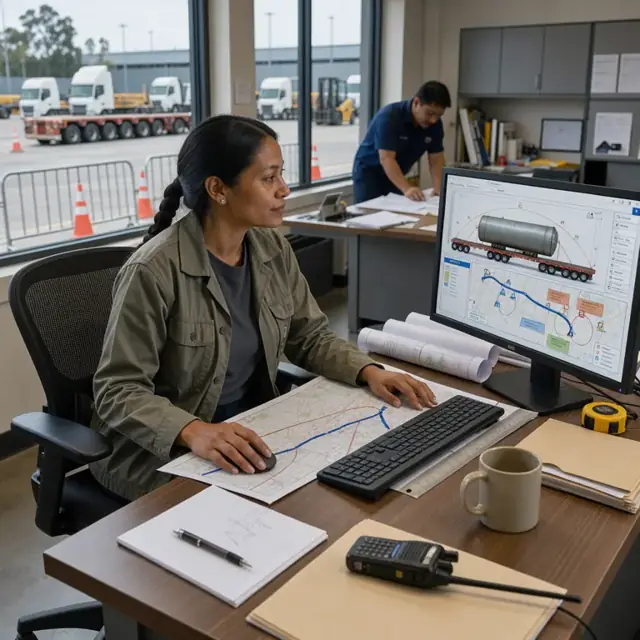
Request Intake Coordinator
Convert every incoming support request into a scoped master task with required permits and assets identified.
Works in: Ambitious Tasks, Ambitious Docs, Email Buckets · Workflows: Request intake and scoping
Automates
- Reads incoming requests from multiple channels
- Extracts cargo dimensions, weight, routing and special needs
- Checks initial asset and crew availability
- Drafts scope of work and estimate
- Creates the master coordination task
Stops for a person
- The operations lead approves scope and pricing
- Unusual cargo or routing questions are escalated immediately

Permit and Route Specialist
Compile and track all required permits, route approvals and escort needs across jurisdictions.
Works in: Ambitious Docs, Ambitious Tasks, Ambitious Sheets · Workflows: Permit and route coordination
Automates
- Maps routes and lists every jurisdiction
- Pre-fills permit applications with load data
- Tracks submission and approval status
- Schedules required escorts or pilot cars
- Attaches approved documents to the master task
Stops for a person
- The operations lead reviews and signs all permit submissions
- Engineering stamps and special conditions are confirmed by qualified people

Asset and Crew Scheduler
Match specialized equipment and certified crews to each job and build the timed dispatch sequence.
Works in: Ambitious Tasks, Ambitious Sheets · Workflows: Equipment and crew scheduling
Automates
- Assigns trailers, rigging and vehicles by capability
- Verifies crew certifications against job needs
- Builds hour-by-hour staging and transit plan
- Flags conflicts and suggests alternatives
- Publishes the schedule to all participants
Stops for a person
- The operations lead approves final crew and equipment assignments
- Last-minute changes due to breakdowns are handled by people

Dispatch and Execution Coordinator
Issue final dispatch packets, monitor live execution and record all handoffs and exceptions.
Works in: Ambitious Tasks, Ambitious Docs, Email Buckets · Workflows: Dispatch and real-time execution
Automates
- Assembles permit, manifest and contact packets
- Sends readiness confirmation requests
- Tracks progress at each checkpoint
- Records carrier handoff signatures
- Logs deviations for later review
Stops for a person
- The crew lead confirms on-site conditions before proceeding
- All customer communications are approved before sending
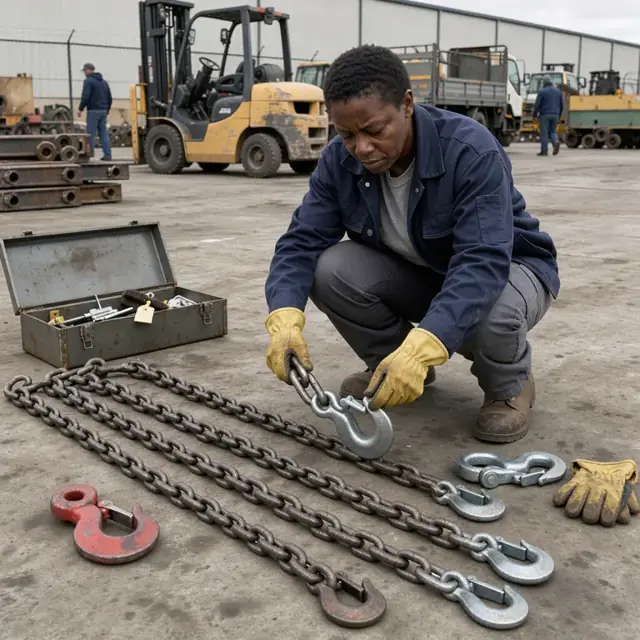
Equipment Inventory and Maintenance Clerk
Track location, condition and maintenance status of all trailers, rigging and support assets.
Works in: Ambitious Sheets, Ambitious Tasks, Ambitious Docs · Workflows: Asset inventory and maintenance tracking
Automates
- Updates asset locations after each job
- Flags items due for inspection or repair
- Maintains parts inventory levels
- Generates weekly readiness reports
- Reconciles usage for billing
Stops for a person
- Mechanics and technicians perform and sign off on all inspections
- The owner approves any capital repairs or replacements

Billing and Reconciliation Specialist
Compile actual costs, match against estimates and draft accurate invoices with full documentation.
Works in: Ambitious Sheets, Ambitious Docs, Ambitious Tasks · Workflows: Billing and invoice reconciliation
Automates
- Pulls time, equipment and expense data from completed tasks
- Compares against original estimates
- Drafts itemized invoices with attached manifests
- Tracks payment status
- Summarizes job profitability
Stops for a person
- The owner reviews and sends every invoice
- Discrepancies or change orders are resolved by people

Compliance and Safety Clerk
Maintain daily safety logs, track certifications and organize all compliance documents for review.
Works in: Ambitious Tasks, Ambitious Docs, Ambitious Sheets · Workflows: Compliance and safety documentation
Automates
- Generates daily equipment and driver checklists
- Logs inspection and incident data
- Alerts before insurance or license expirations
- Organizes permits and signatures into job folders
- Prepares audit packets
Stops for a person
- The operations lead confirms applicable requirements for each job
- All safety incidents and corrective actions are managed by qualified people
- The bot never certifies compliance
Workflows
Request intake and scoping
Starts when: A shipper, carrier or project manager submits a support request by email, form or direct message
- Capture cargo details, dimensions, weight, origin, destination and required handoff points
- Identify required permits, escorts, rigging or specialized equipment from the request
- Check against available assets, crew certifications and jurisdictional rules
- Draft a scope of work and cost estimate for approval
- Create a master task with all linked documents and checkpoints
Watch for: Oversize or hazardous cargo details must be captured exactly to determine legal routing; Incomplete requests require immediate clarification before scheduling proceeds
Permit and route coordination
Starts when: After request scoping or on renewal cadence
- Identify every jurisdiction along the planned route
- Draft and compile permit applications with load diagrams and engineering stamps
- Track submission status and approval timelines
- Schedule pilot cars or escorts where required
- Update the master task with approved permits and any restrictions
Watch for: Permit rules change frequently by state and locality; Some routes require advance notice of 5-30 days
Equipment and crew scheduling
Starts when: Once permits are confirmed and 48 hours before move
- Match required trailers, rigging and escort vehicles to the job
- Assign qualified drivers and crew based on certifications and availability
- Build a timed sequence of staging, loading, transit and handoff
- Reserve backup assets for high-risk moves
- Publish the daily schedule to all parties
Watch for: Specialized trailers and heavy rigging are limited in number; Crew certifications for specific cargo types must be verified
Dispatch and real-time execution
Starts when: Morning of each scheduled move or when carrier arrives
- Confirm all permits, insurance and crew readiness
- Issue final dispatch packet with route, manifests and contact list
- Monitor progress through checkpoints and update status
- Coordinate handoffs between arriving and departing carriers
- Log any deviations, delays or incidents
Watch for: Live adjustments for weather, traffic or site access issues; Chain-of-custody signatures required at every transfer
Asset inventory and maintenance tracking
Starts when: Weekly and after each job
- Update location and condition of all trailers, rigging and support vehicles
- Flag items due for inspection, repair or recertification
- Reconcile equipment usage against billing records
- Maintain parts inventory for common repairs
- Generate readiness report for upcoming jobs
Watch for: Equipment must be DOT and OSHA compliant before dispatch; Rigging gear has strict inspection and retirement cycles
Billing and invoice reconciliation
Starts when: After job completion and on monthly cadence
- Compile actual time, equipment used, permits purchased and expenses
- Match against original estimate and any change orders
- Draft invoice with supporting manifests and logs
- Track payments and flag discrepancies
- Update job profitability summary
Watch for: Many jobs are billed to third-party logistics providers with strict documentation rules; Expenses such as permit fees must be passed through accurately
Compliance and safety documentation
Starts when: Daily, after each move and on renewal dates
- Generate daily safety and equipment checklists
- Log driver hours, vehicle inspections and incident reports
- Track expiration dates for insurance, licenses and certifications
- Organize all manifests, permits and handoff signatures
- Prepare audit-ready folders for owner review
Watch for: Requirements vary by cargo type, state and customer contract; The operations lead confirms which rules apply to each job
Bot templates for this industry
Source: U.S. Small Business Administration, Office of Size Standards, Table of Small Business Size Standards Matched to North American Industry Classification System Codes, version March 2023 (effective 2023-03-17, NAICS 2022). Size standards are shown for reference only.