

Other Warehousing and Storage
Other warehousing and storage operators manage specialized facilities that handle temperature-controlled, hazardous, bulk or oversized goods. Inbound shipments arrive by truck or rail and require inspection before put-away. Storage follows strict rules for climate, segregation and documentation. Outbound orders generate pick tickets that must be routed safely, packed according to carrier rules and released only after manager sign-off. Specialists convert arrival notices into receiving tasks, inventory data into location and condition records, storage rules into daily checklists, pick requests into sequenced routes, and usage data into maintenance schedules while the warehouse manager confirms every release, permit status and safety log.
What makes this business different
- Specialized storage conditions such as refrigerated, frozen, hazardous-material segregation, climate-controlled rooms or heavy-duty racking for oversized items
- Inbound receipts that require immediate inspection, temperature or hazmat checks, damage notation and put-away before goods can be stored
- Strict inventory tracking with lot numbers, expiration dates, FIFO or FEFO rules, cycle counts and condition monitoring
- Regulatory paperwork including temperature and humidity logs, hazmat manifests, fire-safety inspections, storage permits and equipment-maintenance records that must be maintained and available for audit
- Customer-specific release schedules, pick tickets, proof-of-storage certificates and chain-of-custody documents
- Coordination with carriers for inbound and outbound appointments, dock scheduling and load sequencing
- Equipment maintenance logs for forklifts, pallet jacks, refrigeration units, racking systems and safety devices
Specialist bots
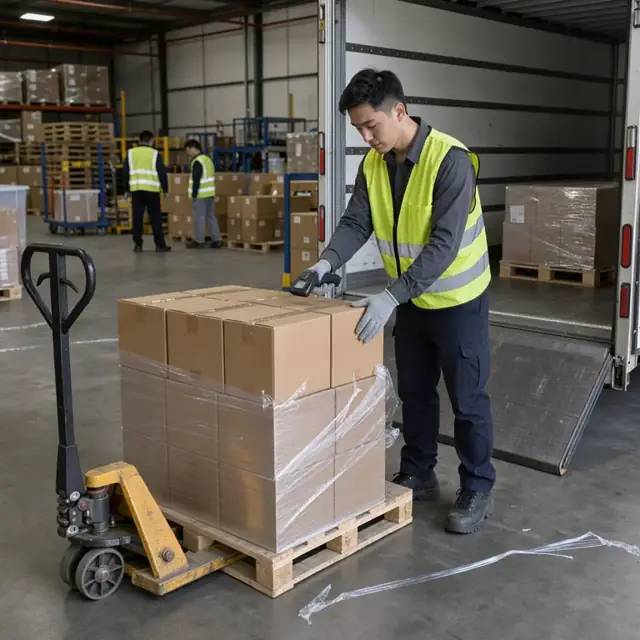
Receiving Coordinator
Convert carrier arrival notices into inspected, documented receiving tasks with accurate condition and lot data.
Works in: Ambitious Tasks, Ambitious Docs, Ambitious Sheets · Workflows: Inbound receiving and inspection
Automates
- Reads inbound notices and bills of lading
- Creates inspection checklists that include temperature, count and labeling fields
- Records lot numbers, expiration dates and condition notes
- Drafts put-away tasks and preliminary inventory updates
Stops for a person
- Warehouse staff perform the physical inspection and confirm counts and condition
- The manager approves any exceptions, damage claims or quarantine decisions
- A person signs off on all receiving documents before goods move into storage

Storage Location Planner
Assign optimal put-away locations that respect commodity storage rules, climate zones and space availability.
Works in: Ambitious Tasks, Ambitious Sheets, Process Optimizer · Workflows: Putaway and storage assignment
Automates
- Matches item requirements to available locations and climate zones
- Generates sequenced put-away instructions with required equipment
- Logs environmental conditions at the moment of storage
- Flags segregation, stacking or monitoring requirements
Stops for a person
- The forklift operator confirms actual placement and scans the final location
- The manager reviews assignments for high-value, hazardous or regulated goods

Inventory Controller
Maintain accurate stock records through cycle counts, adjustments and status updates while enforcing rotation rules.
Works in: Ambitious Sheets, Ambitious Tasks, Ambitious Docs · Workflows: Inventory control and cycle counting
Automates
- Schedules and generates cycle-count lists by location or lot
- Compares physical counts to records and flags variances
- Applies FIFO or FEFO logic to suggest picks and flag dated stock
- Creates replenishment or disposal alerts
Stops for a person
- Warehouse team performs the physical counts and verifies condition
- The manager approves all inventory adjustments, write-offs and status changes
- A person confirms any updates involving regulated or hazardous materials

Fulfillment Dispatcher
Convert customer release orders into optimized pick routes, packing instructions and outbound tasks.
Works in: Ambitious Tasks, Process Optimizer, Ambitious Docs · Workflows: Pick, pack and outbound preparation, Outbound dispatch and carrier coordination
Automates
- Generates pick lists sequenced by location and equipment constraints
- Creates picker routes that respect safety and segregation rules
- Verifies picked quantities against orders and prepares shipping documents
- Schedules dock appointments and drafts carrier notifications
Stops for a person
- Pickers and packers perform the physical work and confirm accuracy and condition
- The manager approves all outbound shipments, manifests and carrier handoffs
- A person signs hazardous or regulated shipping documents

Compliance and Permit Clerk
Track and generate all required logs, permits, temperature records and inspection checklists for the facility and stored goods.
Works in: Ambitious Tasks, Ambitious Docs, Ambitious Sheets · Workflows: Regulatory compliance and permit tracking
Automates
- Compiles daily temperature, humidity and environmental logs
- Tracks permit, license and inspection due dates
- Generates manifests and customer storage reports from current data
- Maintains equipment maintenance and safety-inspection records in one location
Stops for a person
- The warehouse manager confirms which local rules and permits apply
- Staff record actual temperatures, conditions and inspection results
- People handle all inspections, corrective actions, filings and renewals
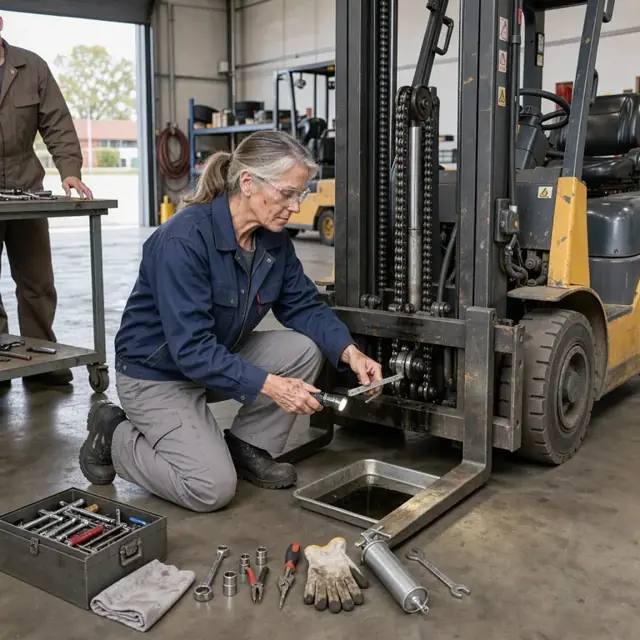
Asset Maintenance Coordinator
Schedule and track maintenance for all warehouse equipment, vehicles and systems to keep operations safe.
Works in: Ambitious Tasks, Ambitious Sheets, Process Optimizer · Workflows: Asset and equipment upkeep scheduling
Automates
- Tracks usage hours, maintenance history and parts consumption for each asset
- Generates preventive-maintenance tasks by type and due date
- Records completed inspections, repairs and attached documentation
- Monitors parts inventory and drafts reorder lists for common spares
Stops for a person
- Certified technicians perform the actual maintenance, repairs and certified inspections
- The manager approves taking any equipment out of service
- A person reviews and signs all maintenance logs and compliance records
Workflows
Inbound receiving and inspection
Starts when: Carrier arrival notice or scheduled dock appointment
- Capture bill of lading, purchase order and carrier details from the notice
- Generate inspection checklist that includes count, visible damage, temperature if required and labeling verification
- Record lot numbers, expiration dates, condition notes and any discrepancies
- Assign initial quarantine or put-away location according to commodity rules
- Create put-away task and draft preliminary inventory update for manager review
Watch for: Temperature-sensitive or hazardous goods must be moved into controlled areas immediately upon acceptance; Any damage or shortage requires photographic evidence and manager sign-off before storage
Putaway and storage assignment
Starts when: Completion of inbound inspection and manager approval
- Match item requirements to available rack, bin, floor or climate zone
- Generate sequenced put-away instructions that specify equipment and safety precautions
- Record exact final location, scan confirmation and environmental conditions at time of storage
- Update inventory record with storage date, lot status and segregation flags
- Flag any special handling, stacking or monitoring requirements for later retrieval
Watch for: Oversized or heavy items may require specific racking or floor-space allocation; Climate zones must maintain and log required temperature and humidity ranges
Inventory control and cycle counting
Starts when: Daily schedule, expiration proximity, low-stock threshold or customer request
- Generate cycle-count list for selected locations, SKUs or lots
- Reconcile physical counts against system records and note variances
- Apply FIFO or FEFO logic to update pick priority and flag expired or damaged stock
- Create replenishment alerts or disposal tasks for items that cannot remain in storage
- Produce inventory status report for the next manager review
Watch for: Dated or regulated inventory must follow rotation rules that cannot be overridden without approval; Hazardous materials require separate counts and updated manifests
Pick, pack and outbound preparation
Starts when: Customer release order or pick ticket
- Generate optimized pick list sequenced by location, equipment type and safety rules
- Create picker route and assign equipment while respecting segregation and climate constraints
- Verify each picked item against the order for accuracy, condition and lot traceability
- Prepare packing and labeling that meets customer and carrier specifications
- Update inventory record and draft shipping documents for manager approval
Watch for: Temperature-controlled items must remain in the correct environment until the moment of loading; Hazardous or regulated shipments require specific labeling, manifests and separation from other loads
Outbound dispatch and carrier coordination
Starts when: Completed outbound preparation and manager release
- Schedule dock appointment and confirm carrier details
- Generate load sequence and securing instructions based on carrier and commodity rules
- Capture proof of handover, temperature at loading if applicable and any exceptions
- Transmit shipping confirmation and required documents after manager sign-off
- Close the order, update customer status and archive chain-of-custody records
Watch for: Dock scheduling must prevent conflicts between inbound and outbound traffic; Cold chain or hazmat integrity must be maintained until the carrier formally accepts the load
Regulatory compliance and permit tracking
Starts when: Daily operations, monthly inspections or permit renewal dates
- Compile daily temperature, humidity and environmental logs from sensor or manual entries
- Track permit, license, fire inspection and insurance renewal dates
- Generate required manifests, storage-condition reports or audit packets from current data
- Maintain equipment maintenance and safety-inspection records in one place
- Alert the manager before any deadline and prepare the renewal checklist
Watch for: Local fire codes, environmental regulations and storage permits vary by commodity and jurisdiction; All logs and reports must be ready for unannounced audits at any time
Asset and equipment upkeep scheduling
Starts when: Usage hours, calendar date or inspection schedule
- Track runtime, maintenance history and parts usage for each piece of equipment
- Generate preventive-maintenance tasks by type, due date and required certification level
- Assign tasks, record completion notes and attach before-and-after photos when required
- Flag any equipment taken out of service and notify affected workflows
- Monitor parts inventory and draft reorder lists for common spares
Watch for: Refrigeration units, racking systems and powered industrial trucks require documented certified inspections; Safety and emissions records must be kept current for insurance and regulatory compliance
Bot templates for this industry
- Other Warehousing and Storage (6 bots)
Source: U.S. Small Business Administration, Office of Size Standards, Table of Small Business Size Standards Matched to North American Industry Classification System Codes, version March 2023 (effective 2023-03-17, NAICS 2022). Size standards are shown for reference only.