

Teleproduction and Other Postproduction Services
Postproduction houses take raw footage from film, television, advertising and corporate shoots and turn it into finished deliverables. For a facility that receives daily camera cards, drives and streams, the specialists turn incoming media into organized project bins, assemble an edit schedule and asset list, turn the editor's timeline into color-graded masters with sound design and closed captions, and deliver via secure link or drive while tracking revisions and archiving. Creative decisions on pacing, look and sound stay with the editor, colorist and mixer.
What makes this business different
- High-volume raw media in many formats and resolutions that must be ingested exactly as shot with original timecode and metadata
- Tight deadlines for broadcast, streaming or festival delivery with version control for multiple cuts
- Complex asset management across shared storage, proxies and high-res masters with naming conventions and access controls
- Review and approval cycles with clients who request changes to picture, color, sound, titles and captions
- Licensing and clearances for music, stock footage, graphics and talent releases that must be tracked per project
- Secure delivery of masters, dailies and review links with watermarks and expiration dates
- Archiving of final projects and elements for long-term storage and future reuse
- Equipment maintenance logs, insurance certificates for rented gear and facility permits that must be kept current
Specialist bots
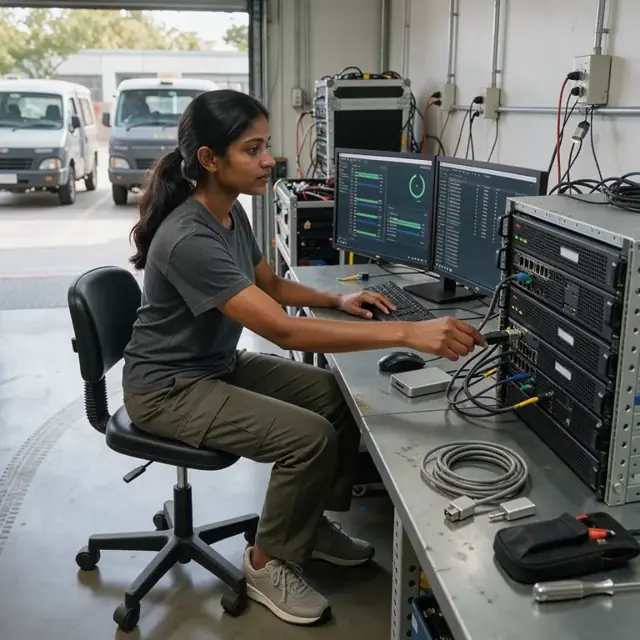
Media Ingest Coordinator
Turn every incoming drive and file transfer into organized project bins with verified backups and proxies.
Works in: Ambitious Tasks, Ambitious Docs, Ambitious Sheets · Workflows: Media ingest and organization
Automates
- Reads manifests and camera reports
- Creates standardized folder structures
- Transcodes and attaches metadata
- Verifies backups and flags issues
- Logs all received media
Stops for a person
- The lead technician confirms that original media is safely backed up before any deletion
- Corrupt or missing files are escalated to the producer immediately
- A person verifies the first few proxy files match the original footage

Project Setup Specialist
Create each new project's technical template, schedule and access permissions from the contract requirements.
Works in: Ambitious Tasks, Ambitious Docs, Ambitious Sheets · Workflows: Project setup and scheduling
Automates
- Builds timeline templates from standard deliverables
- Imports reference materials and shot lists
- Sets storage quotas and user permissions
- Generates kickoff checklists
- Aligns schedule to contract deadlines
Stops for a person
- The producer reviews and approves the schedule before work begins
- Technical specifications are confirmed with the client by a person
- Creative leads approve the project structure
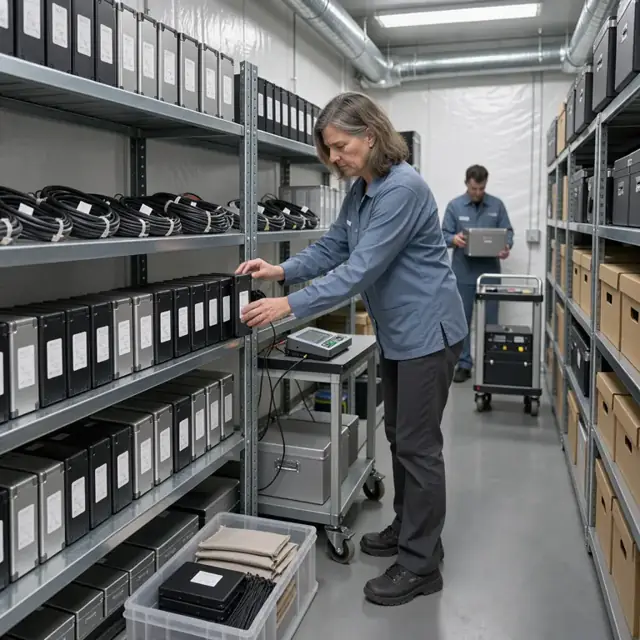
Digital Asset Librarian
Maintain an accurate catalog of all footage, audio, graphics, versions and licenses across every active and archived project.
Works in: Ambitious Sheets, Ambitious Docs, Ambitious Tasks · Workflows: Asset tracking and version control, Compliance, licensing and equipment maintenance tracking
Automates
- Catalogs new assets with metadata
- Tracks licensed elements and their usage
- Maintains version history and approvals
- Generates storage and rights reports
- Flags elements needing clearance
- Pulls upcoming license and maintenance due dates
Stops for a person
- The producer confirms rights and clearances before use
- A person reviews reports before sharing with clients
- Archive decisions and final filings are made by the owner

Postproduction Coordinator
Track the status of every active project and create daily task lists for the editorial, color and sound teams.
Works in: Ambitious Tasks, Ambitious Sheets, Process Optimizer · Workflows: Edit and post schedule coordination, Revision and client feedback management
Automates
- Pulls status from all projects
- Builds daily and weekly task assignments
- Maps dependencies between departments
- Adjusts for client feedback and rush work
- Organizes incoming notes by priority
Stops for a person
- The supervising editor approves the daily task list
- Schedule changes that affect delivery dates require owner approval
- A person communicates directly with the client on major revisions

Delivery and QC Preparer
Assemble and check all final deliverables against technical specifications and prepare secure delivery packages.
Works in: Ambitious Tasks, Ambitious Docs, Process Optimizer · Workflows: Final delivery and quality control
Automates
- Assembles files per spec sheet
- Runs quality control checks
- Encodes with required settings
- Creates manifests and upload links
- Applies watermarks where requested
Stops for a person
- The colorist or lead technician performs final visual quality check
- The owner approves any delivery to a client
- A person confirms the correct files are sent to the correct recipient
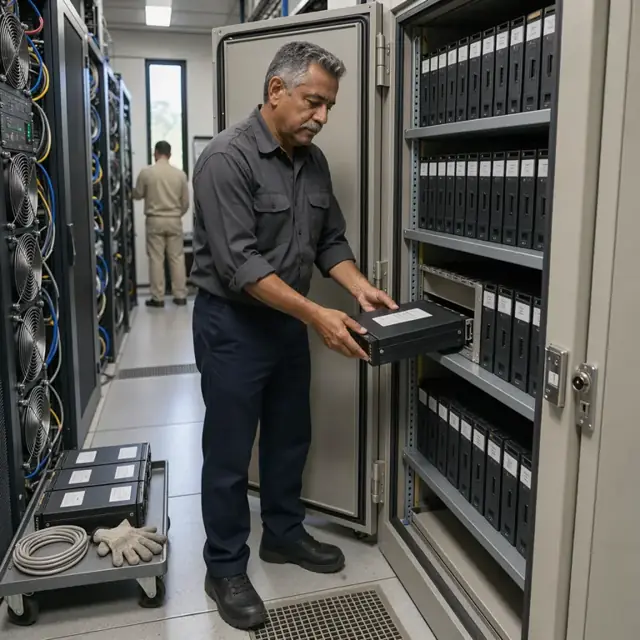
Archive and Closeout Manager
Package completed projects for long-term storage, verify integrity and update the master archive index.
Works in: Ambitious Tasks, Ambitious Docs, Ambitious Sheets · Workflows: Project archiving and closeout
Automates
- Consolidates all project files
- Creates searchable indexes
- Verifies checksums after transfer
- Updates the central archive database
- Generates closeout summaries
Stops for a person
- The owner decides final retention policy and storage tier
- A person confirms archive packages before they leave active storage
- Client requests for archived material are handled by staff

Compliance and Equipment Clerk
Track all licensing, clearances, permits, insurance and equipment maintenance across projects and the facility.
Works in: Ambitious Tasks, Ambitious Docs, Ambitious Sheets · Workflows: Compliance, licensing and equipment maintenance tracking
Automates
- Generates weekly clearance and renewal checklists
- Pulls maintenance logs for edit suites and gear
- Flags upcoming insurance, permit and license dates
- Attaches clearance documents to the asset database
- Drafts renewal task lists
Stops for a person
- The owner confirms which clearances and filings are required and approves all submissions
- A person reviews and signs any official paperwork or certificates
- The bot never certifies compliance
Workflows
Media ingest and organization
Starts when: Arrival of camera cards, hard drives, cloud transfers or live streams
- Verify receipt of all files against the camera report and manifest
- Create a project folder structure with bins for footage, audio, graphics and metadata
- Generate proxy files while transcoding to the house editing codec
- Attach original metadata, timecode, reel names and scene information
- Log any missing or corrupt clips and draft notification for the technician
- Record ingest completion and backup status in the project log
Watch for: Media must be backed up to two locations before any work begins; Timecode and reel continuity must be preserved exactly; Facility media-handling and data-security protocols apply
Project setup and scheduling
Starts when: Signed contract or approved start date for each job
- Build the project template with correct frame rate, resolution and audio configuration
- Import script, shot list, storyboard and any reference materials
- Create a timeline with due dates for rough cut, fine cut, color, sound, delivery and revisions
- Assign storage quotas and access permissions for editors, assistants and clients
- Draft the internal kickoff checklist for the creative team
- Attach any required insurance, permit or clearance tracking sheets
Watch for: Different deliverables require different technical specifications; Schedules must account for client review windows; Insurance certificates for equipment and facility must be verified before start
Asset tracking and version control
Starts when: Daily during active projects and at milestones
- Catalog every clip, audio file, graphic and version with unique identifiers
- Track usage of licensed music, stock footage, graphics and talent releases across cuts
- Maintain a master list of approved and rejected takes
- Flag any elements that require clearance or additional licensing
- Generate reports on storage usage, remaining capacity and license expiration dates
- Update the central asset database with any new clearances received
Watch for: Multiple versions of sequences must be clearly labeled and dated; Rights and clearances must be attached to every licensed element; Clearance paperwork and chain-of-title documents must be filed per project
Edit and post schedule coordination
Starts when: Start of each business week and after major client notes
- Pull the current status of all active projects from the shared tracking sheet
- Draft daily and weekly task lists for editors, assistants, colorists and sound designers
- Identify dependencies between picture, visual effects, color and audio
- Adjust schedule for any rush revisions or additional deliverables
- Flag any projects approaching delivery deadlines or equipment maintenance windows
- Draft a weekly capacity report showing editor and suite availability
Watch for: Editors and specialists often work on multiple projects simultaneously; Client feedback can require rapid rescheduling; Edit-suite booking and maintenance calendars must be respected
Final delivery and quality control
Starts when: Picture lock or final client approval
- Assemble all required deliverables according to the technical specification
- Run automated and manual quality checks for video, audio levels, captions and metadata
- Apply final watermarks, burn-ins and delivery-specific encoding
- Prepare secure upload links, physical drives or streaming review copies
- Create a delivery checklist and manifest for the client
- Attach any required delivery paperwork such as license confirmations and technical reports
Watch for: Broadcast and streaming platforms have strict technical requirements; All files must be verified as error-free before sending; Delivery manifests and chain-of-custody forms must be signed by a person
Revision and client feedback management
Starts when: Receipt of client notes or approval requests
- Organize incoming notes by scene, timestamp and category
- Create a task list of requested changes for the editor or specialist
- Track which notes have been addressed in each new version
- Draft version comparison reports for the client
- Update the master schedule based on additional rounds
- Log any new clearance or licensing needs triggered by the revisions
Watch for: Changes must be tracked to prevent scope creep; Client approvals must be documented before proceeding to next stage; Any added licensed material must have documented clearances before use
Project archiving and closeout
Starts when: Final delivery acceptance and payment
- Consolidate all project files, versions, notes and deliverables
- Create an archive package with searchable index
- Transfer to long-term storage with checksum verification
- Update the master asset database with archive location
- Draft a project closeout summary for billing and future reference
- File all final clearance, talent release and insurance documents with the archive
Watch for: Archives must remain accessible for potential future revisions or sequels; Storage costs and retention policies vary by client contract; Facility archiving and data-retention policies must be followed
Compliance, licensing and equipment maintenance tracking
Starts when: Weekly, before new projects and on renewal dates
- Review upcoming license, permit and insurance renewal dates across all active and upcoming projects
- Generate checklists for music, stock and talent clearances required this week
- Pull equipment maintenance and calibration logs for edit suites, color rooms and audio bays
- Flag any gear approaching service intervals or calibration due dates
- Draft renewal and maintenance task lists for owner review
Watch for: Facility permits, business licenses and insurance certificates must be current; Maintenance records for rented and owned equipment must be kept for audits; The owner confirms all clearances and filings
Bot templates for this industry
Source: U.S. Small Business Administration, Office of Size Standards, Table of Small Business Size Standards Matched to North American Industry Classification System Codes, version March 2023 (effective 2023-03-17, NAICS 2022). Size standards are shown for reference only.