

Music Publishers
Music publishers acquire, administer and license musical compositions for commercial use. For a publisher that signs songwriters, registers copyrights, pitches compositions to film, TV, ads and artists, and collects royalties, the specialists turn incoming pitches and sync requests into catalogued works, catalog items into license agreements and royalty statements, and royalty data into payments and re-negotiations. Creative decisions, contract terms and final sign-offs stay with the publisher and songwriters.
What makes this business different
- Catalog of musical compositions with metadata on writers, publishers, splits, ISRCs and PRO affiliations
- Copyright registration, work-for-hire agreements and chain-of-title documentation that must be accurate and filed on time
- Sync licensing for film, television, advertising and games with tight deadlines and usage-specific terms
- Mechanical, performance and synchronization royalty collection from multiple sources with quarterly or semi-annual statements
- Songwriter advances, recoupment tracking and royalty splits that require precise accounting
- Pitching and pitching feedback loops with music supervisors, labels, artists and ad agencies
- License expiration tracking, renewal options and catalog exploitation strategy reviews
- Inventory of master recordings, stems, lyrics and reference tracks that must stay organized and version-controlled
Specialist bots
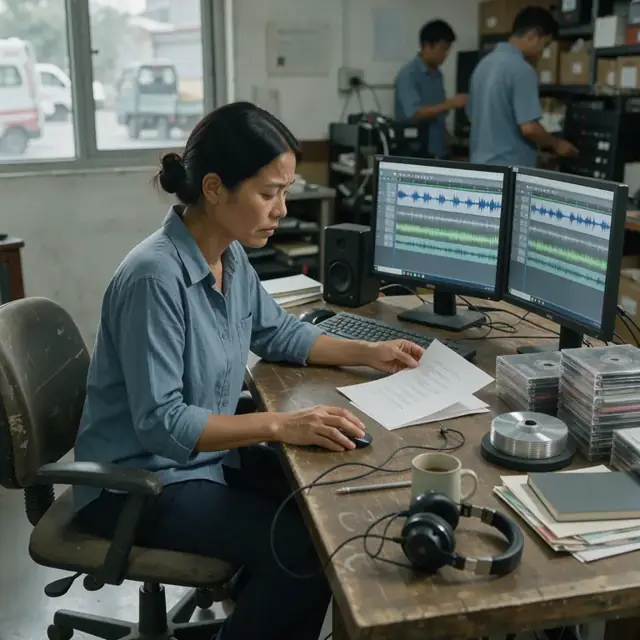
Song Cataloguer
Turn every new composition submission into a fully documented catalog entry with accurate metadata and copyright status.
Works in: Ambitious Tasks, Ambitious Docs, Ambitious Sheets · Workflows: Song intake and cataloguing
Automates
- Reads incoming song files and metadata forms
- Assembles writer splits, PRO data and ISRCs
- Creates the catalog record and copyright application draft
- Adds reference audio and lyric files to the master index
- Drafts the writer confirmation
Stops for a person
- The publisher confirms writer splits and signs any publishing agreements
- Final copyright applications are reviewed and filed by a person
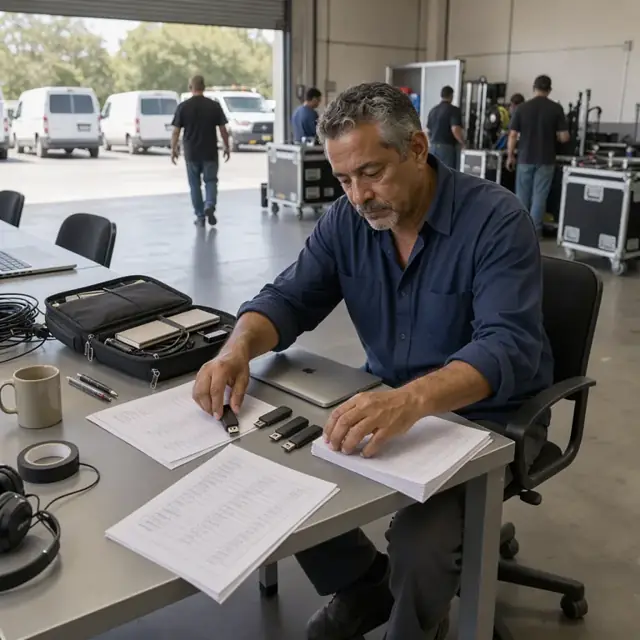
Sync Pitch Coordinator
Match incoming sync requests to the catalog and assemble targeted pitch packages for music supervisors and agencies.
Works in: Ambitious Tasks, Ambitious Docs, Email Buckets · Workflows: Sync licensing intake and pitching
Automates
- Searches catalog by mood, genre, tempo and usage type
- Compiles approved stems, lyrics and clearance notes
- Drafts pitch emails with rate information
- Updates opportunity status in the tracking sheet
Stops for a person
- The publisher approves every pitch before sending
- Creative feedback from supervisors is reviewed by the A&R lead

License Drafter and Manager
Draft, revise and track sync, mechanical and performance license agreements from initial request to signed contract.
Works in: Ambitious Docs, Contract Analyzer, Ambitious Tasks · Workflows: License drafting and negotiation
Automates
- Populates license templates with usage terms and fees
- Flags missing clauses or inconsistencies
- Tracks version history and counterparty changes
- Prepares signature packets once terms are agreed
Stops for a person
- The publisher reviews and approves every final contract before signing
- All financial terms are confirmed by the finance lead

Royalty Processor and Accountant
Import royalty reports, apply splits and recoupment, and generate accurate statements and payment instructions.
Works in: Ambitious Sheets, Ambitious Docs, Ambitious Tasks · Workflows: Royalty collection and statement preparation
Automates
- Reconciles incoming reports by composition
- Calculates net amounts after advances and splits
- Generates writer statements
- Flags discrepancies for further research
Stops for a person
- The publisher approves all statements before they are sent
- Payments are released only after owner authorization

Copyright and Compliance Clerk
Prepare copyright registrations, maintain chain-of-title files and track renewal and compliance deadlines.
Works in: Ambitious Docs, Ambitious Tasks, Ambitious Sheets · Workflows: Copyright registration and compliance
Automates
- Assembles registration packages and forms
- Tracks filing status and renewal dates
- Maintains organized digital chain-of-title folders
- Generates compliance summary reports
Stops for a person
- The publisher confirms all registration details before filing
- Legal review of assignments and transfers is performed by counsel

Writer Relations Coordinator
Track writer advances, schedule check-ins, update catalog notes and prepare earnings summaries for songwriter meetings.
Works in: Ambitious Tasks, Ambitious Sheets, Ambitious Docs · Workflows: Songwriter relations and advances
Automates
- Pulls current recoupment and earnings data
- Drafts advance memos and meeting agendas
- Maintains writer-specific notes and preferences
- Generates renewal and option reminders
Stops for a person
- The publisher decides on all advances and contract renewals
- All communications with writers are reviewed before sending

Catalog Maintenance Strategist
Scan the catalog for expiring licenses, identify pitching opportunities and prepare exploitation summary reports.
Works in: Process Optimizer, Ambitious Sheets, Ambitious Docs · Workflows: Catalog maintenance and exploitation review
Automates
- Identifies soon-to-expire licenses
- Highlights unexploited compositions with high match potential
- Updates metadata after new placements
- Generates quarterly exploitation overview
Stops for a person
- The publisher sets the catalog strategy and approves all prioritization decisions
- Final reports are reviewed in strategy meetings

Master Asset Manager
Log, tag and maintain the library of master recordings, stems and alternate mixes with proper rights metadata.
Works in: Ambitious Tasks, Ambitious Docs, Ambitious Sheets · Workflows: Master recording and stem inventory
Automates
- Logs new audio files and creates version records
- Tags each file with composition ID and clearance status
- Verifies file integrity and creates backups
- Updates the master index and notifies pitching staff
Stops for a person
- The publisher confirms all usage rights before any master is cleared for pitching
- Final decisions on which masters to deliver remain with the publisher
Workflows
Song intake and cataloguing
Starts when: A songwriter submits a new composition or a new writer signs to the catalog
- Capture song title, writers, splits, PRO affiliations, ISRC and any existing recordings
- Check chain-of-title and any prior publishing or co-publishing agreements
- Register the copyright with the appropriate office and create the catalog entry
- Add metadata, lyrics, stems and reference recordings to the master database
- Draft an intake confirmation and next-steps note for the writer
Watch for: Accurate writer splits must be confirmed before any further exploitation; Work-for-hire or co-pub agreements require specific language
Sync licensing intake and pitching
Starts when: A music supervisor, ad agency or artist requests a composition or the publisher decides to pitch
- Match request parameters against catalog metadata and availability
- Assemble approved pitch packages with stems, lyrics, clearances and mock-ups
- Draft and send the pitch with usage details and rate card
- Track feedback and update the opportunity status
- Create a license request task when interest is expressed
Watch for: Tight turnaround times for film and advertising placements; Pre-cleared master recordings or re-recording rights may be required
License drafting and negotiation
Starts when: A sync, mechanical or performance license request is accepted
- Pull contract template matching the usage type and territory
- Populate with specific terms, fees, writer splits and rights granted
- Run the draft through contract analyzer for missing clauses and inconsistencies
- Send the draft for counterparty review and track revisions
- Prepare final version for signature once all parties confirm terms
Watch for: Usage-specific restrictions such as one-time use, territory limits or hold-backs; All contract changes must be reviewed by the publisher before signing
Royalty collection and statement preparation
Starts when: Quarterly or semi-annual royalty reports arrive from PROs, mechanical agencies or licensees
- Import and reconcile incoming royalty data by composition and writer
- Apply advances, recoupment balances and splits
- Generate statements showing earnings, deductions and net payable
- Flag any under-reported or missing royalties for follow-up
- Draft payment instructions once statements are approved
Watch for: Different royalty types must be separated and allocated correctly; Foreign currency conversion and tax withholding documentation
Copyright registration and compliance
Starts when: New works are catalogued, renewals are due or audit requests arrive
- Prepare copyright application packages with deposit copies and forms
- Track registration status and follow up on pending applications
- Maintain chain-of-title files and assignment records
- Generate renewal reminders for compositions approaching term limits
- Compile documentation for publisher audits or writer inquiries
Watch for: Timely filing windows for copyright and renewal must be observed; All registrations and assignments are confirmed by the publisher before filing
Songwriter relations and advances
Starts when: A writer requests an advance, quarterly review or catalog update
- Pull current earnings, recoupment status and upcoming placements
- Draft an advance request memo with supporting royalty projections
- Schedule and document writer meetings or check-ins
- Update catalog notes with new writer feedback or co-write opportunities
- Track writer option periods and contract renewal dates
Watch for: Advances must be approved and recoupment tracked per contract; Sensitive financial and creative discussions require direct publisher involvement
Catalog maintenance and exploitation review
Starts when: Monthly and at end of each fiscal quarter
- Scan catalog for expiring licenses and renewal opportunities
- Identify under-performing compositions for renewed pitching
- Update metadata for new recordings, covers or sync placements
- Run process optimizer to highlight high-potential unexploited works
- Prepare summary report for publisher exploitation strategy meeting
Watch for: Catalog value depends on active exploitation across multiple revenue streams; Decisions on which works to prioritize remain with the publisher
Master recording and stem inventory
Starts when: New song intake or new master delivery
- Log incoming audio files, stems and alternate mixes with version numbers
- Verify file integrity and create backup copies in the asset library
- Tag each file with composition ID, usage rights and clearance status
- Update the master index and notify the pitching team of new availability
- Flag any files missing clearances for immediate follow-up
Watch for: Multiple versions of masters must be kept distinct and searchable; Rights to use specific recordings must be tracked separately from the composition
Bot templates for this industry
- Music Publishers (8 bots)
Source: U.S. Small Business Administration, Office of Size Standards, Table of Small Business Size Standards Matched to North American Industry Classification System Codes, version March 2023 (effective 2023-03-17, NAICS 2022). Size standards are shown for reference only.