

Other Sound Recording Industries
Other sound recording industries produce original audio content such as podcasts, sound effects libraries, audiobook narration, live event recordings, and custom voiceovers. For a studio that records custom voice projects and sound libraries on schedule, the specialists turn client briefs into booked sessions, session files into edited masters with metadata, and masters into delivery packages and royalty reports. Studio calendars, microphone technique and final creative approval stay with the engineer.
What makes this business different
- Custom recording briefs with script, length, tone, accent, background music and technical specs that must be captured exactly
- Scheduled studio sessions with fixed daily blocks for recording and post-production
- Batch processing of multiple takes into a single polished master with consistent levels and noise reduction
- Digital asset management of raw files, stems, masters and metadata across cloud and local drives
- Delivery of high-resolution audio files with embedded metadata, ISRC codes and usage licenses
- Royalty tracking, licensing agreements, union contracts and copyright paperwork for each project
- Repeat clients who book recurring series, sound libraries and seasonal content drops
- Equipment inventory including microphones, preamps, interfaces and acoustic treatment that require calibration and maintenance logs
- Studio permits, insurance riders for remote recordings and union talent paperwork that must be current before any session
Specialist bots
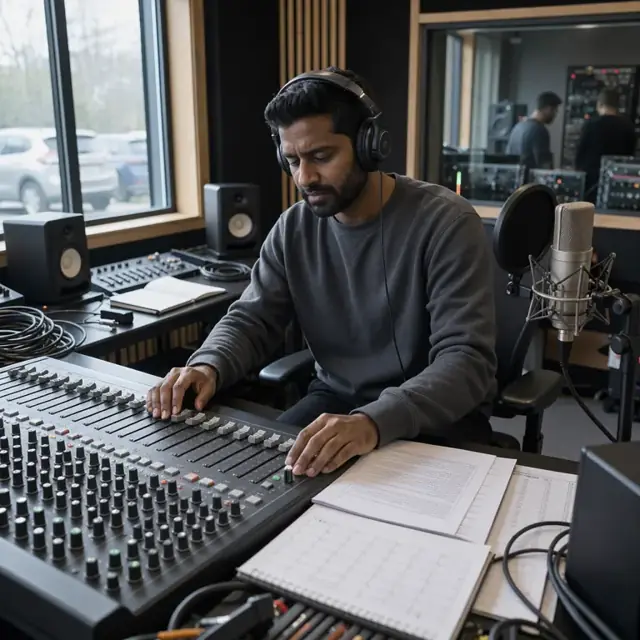
Project Intake Coordinator
Turn every custom recording request into a confirmed, studio-ready project brief with all technical and compliance details captured.
Works in: Ambitious Tasks, Ambitious Docs, Email Buckets · Workflows: Project intake and booking
Automates
- Reads incoming briefs and forms
- Fills in script details, voice specs, length, tone, technical needs and usage rights
- Checks studio calendar, equipment availability and next production block
- Drafts the project quote and required checklist
- Creates the session task with attached safety and union flags
Stops for a person
- The engineer approves non-standard technical or equipment requests
- All accent, tone and union status questions go to the engineer or owner
- A person sends quotes, handles contract questions and obtains signatures

Studio Session Scheduler
Turn confirmed projects into a daily studio schedule with assigned talent, rooms and equipment while confirming all permits and safety steps.
Works in: Ambitious Tasks, Ambitious Docs · Workflows: Studio session scheduling
Automates
- Groups projects by required equipment, talent type and permit needs
- Builds the hour-by-hour daily schedule including setup and safety checks
- Flags sessions needing special setup, remote coordination or union paperwork
- Drafts calendar invites, technical riders and pre-session checklists
Stops for a person
- The engineer reorders the schedule or approves equipment changes
- Final invites, riders and permits are reviewed and signed by a person before any session begins

Digital Asset Librarian
Ingest, organize, tag and archive all raw files, masters, metadata and drive inventory while maintaining backup and retention logs.
Works in: Ambitious Docs, Ambitious Sheets, Ambitious Tasks · Workflows: Digital asset and file management
Automates
- Ingests files from session drives or uploads
- Organizes files by project, version and stem type
- Generates and embeds metadata, keywords and rights information
- Handles archiving, backup routines and storage usage tracking
- Updates the master equipment and drive inventory log
Stops for a person
- The engineer approves final archive and culling decisions
- The owner approves any storage purchases or changes to retention policy

Mastering and Editing Specialist
Turn raw session takes into polished masters with consistent processing, embedded metadata and logged steps according to the confirmed brief.
Works in: Ambitious Tasks, Process Optimizer, Ambitious Docs · Workflows: Editing and mastering production
Automates
- Pulls daily session files, specs and contract notes according to schedule
- Applies standard noise reduction, EQ and leveling templates
- Creates masters, alternate formats and embeds all required metadata
- Logs processing steps for union or audit folders
- Drafts the delivery package with attached license checklist
Stops for a person
- The engineer reviews, makes creative adjustments and approves every final master
- All final sound decisions and any union compliance steps are confirmed by the engineer or owner

Delivery and Licensing Coordinator
Package completed masters, attach usage licenses and deliver to clients only after all paperwork has been approved.
Works in: Ambitious Tasks, Ambitious Docs, Contract Analyzer · Workflows: Delivery and licensing
Automates
- Groups masters by client and project
- Packages files with correct formats and embedded metadata
- Attaches or generates usage license drafts per the confirmed terms
- Drafts delivery messages, links and access instructions
- Records confirmation of receipt and creates any follow-up tasks
Stops for a person
- The owner reviews and approves every license, contract attachment and invoice before sending
- A person confirms delivery access, handles client questions and obtains final signatures

Royalty and Usage Tracker
Collect usage data, match to contracts and organize royalty statements for rights holders while maintaining audit-ready logs.
Works in: Ambitious Sheets, Ambitious Tasks, Ambitious Docs · Workflows: Royalty and usage tracking
Automates
- Collects platform usage reports into a central sheet
- Matches usage to project licenses and contract terms
- Calculates royalty splits according to the confirmed agreements
- Drafts monthly statements and prepares tax or union filing summaries
- Flags discrepancies and updates the master royalty log
Stops for a person
- The owner reviews and approves all royalty calculations, statements and payments
- People confirm contract terms, union rules and any discrepancies before distribution
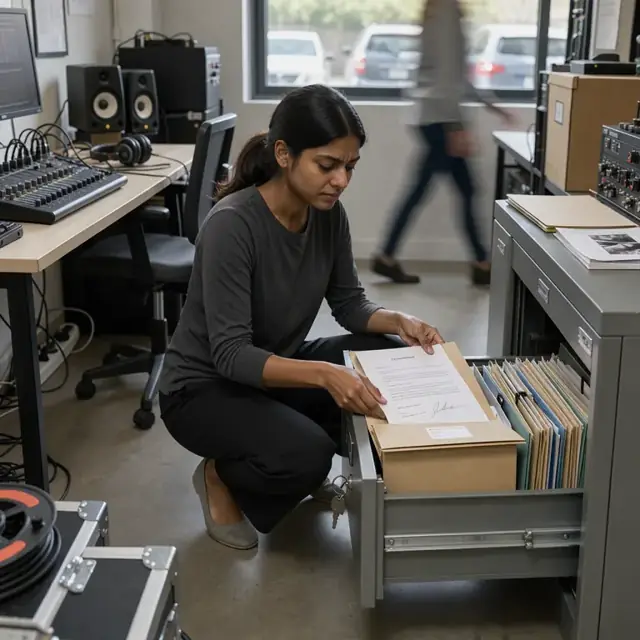
Contract and Compliance Clerk
Track contracts, generate checklists, maintain copyright, union, permit and safety paperwork and prepare audit-ready project folders.
Works in: Ambitious Tasks, Ambitious Docs, Contract Analyzer · Workflows: Contract, copyright and safety paperwork, Equipment maintenance and inventory
Automates
- Generates project contract and safety checklists including union status and permits
- Tracks expiration dates for licenses, insurance, copyright and equipment calibration
- Organizes talent release forms, location permits and maintenance logs
- Keeps project metadata in sync with contract terms
- Prepares audit-ready folders and pre-session compliance packets
Stops for a person
- The owner confirms which contracts, permits, clearances and safety steps apply to each project or session
- All documents are reviewed, signed and filed by people
- The bot never certifies compliance or replaces required human approvals

Equipment and Maintenance Manager
Maintain the studio equipment inventory, calibration logs, maintenance schedule and insurance records so every session uses documented, ready gear.
Works in: Ambitious Sheets, Ambitious Tasks, Ambitious Docs · Workflows: Equipment maintenance and inventory
Automates
- Pulls and updates the master equipment and calibration schedule
- Logs microphone, interface and acoustic treatment checks
- Flags items needing repair, recertification or insurance updates
- Reconciles physical inventory against digital tracking sheets
- Prepares maintenance reports for insurance or permit renewals
Stops for a person
- A qualified technician performs or verifies all calibration and repairs
- The owner approves any equipment purchases, retirements or insurance changes
- No session uses gear until a person confirms the maintenance log is current
Workflows
Project intake and booking
Starts when: A client submits a recording request by form, email or message
- Capture script, length, voice specs, tone, accent, music needs, technical specs and usage rights
- Check against studio calendar, engineer availability, equipment inventory and any required permits
- Confirm delivery date against the next production block and cutoff
- Draft a project quote with licensing terms and required signatures
- Create a session task with a studio-ready brief and attach any safety or union checklists
Watch for: Voice, accent and technical requirements must be captured word for word and never assumed; Projects after the cutoff roll to the next available block unless the engineer approves; Union or AFTRA status must be flagged before any quote is sent
Studio session scheduling
Starts when: After project confirmation and weekly
- Lock the confirmed project list for the week
- Assign projects to voice talent, engineer, studio room and required equipment from inventory
- Build a timed daily schedule including setup, record, review, teardown and any safety checks
- Flag projects needing special equipment, remote coordination, permits or union paperwork
- Send calendar invites, technical riders and required pre-session checklists for approval
Watch for: Microphone, interface and acoustic treatment availability limit each session block; Remote talent requires separate coordination for latency, quality and any location permits; No session may be booked without confirmed current insurance and talent agreements
Digital asset and file management
Starts when: After each recording session and weekly
- Ingest raw takes from the session drive or remote upload
- Organize files by project, take number, stem type and version
- Generate and embed metadata including ISRC codes, keywords, rights and usage information
- Archive to both local backup and approved cloud storage while updating the equipment and drive inventory log
- Track version history, client feedback revisions and any required retention periods for contracts
Watch for: Large raw audio files consume storage quickly and must be culled after mastering per the studio retention policy; Metadata must stay attached through every delivery format and archive step; Backup drives must be logged and checked against the studio equipment inventory
Editing and mastering production
Starts when: Morning after each recording session
- Pull the session schedule, raw files, technical specs and any safety or contract notes for the day
- Sequence takes, apply noise reduction, EQ and compression per the confirmed brief
- Create a polished master with consistent levels across a batch and generate alternate formats
- Embed all metadata, ISRC codes and usage information
- Draft the delivery package and attach the required license checklist for review
Watch for: Processing power and plugin licenses limit simultaneous mastering jobs; Creative direction on final sound must come from the engineer; All processing steps must be logged for any union or audit requirements
Delivery and licensing
Starts when: After mastering is complete
- Group completed masters by client and project
- Package files with the appropriate format, embedded metadata and any required alternate versions
- Draft the delivery link or drive folder and attach the usage license draft
- Attach the final invoice and any signed release or copyright forms
- Record delivery confirmation, access instructions and any follow-up tasks
Watch for: Licenses must specify exact usage rights, territory and duration as confirmed by the owner; Clients may require specific delivery platforms or codecs that must be pre-approved; No package may be sent without owner approval of the attached license and paperwork
Royalty and usage tracking
Starts when: Monthly and on usage reports
- Collect usage reports from platforms and clients into a central tracking sheet
- Match usage to project licenses, contracts and any union terms
- Calculate and organize royalty splits according to the confirmed agreements
- Draft statements for rights holders and flag any discrepancies
- Update the master royalty log and prepare any required tax or union filing summaries
Watch for: Royalty terms differ by contract, territory and union rules; The studio owner confirms all splits before any payment or statement is sent; All royalty documents must be retained per the studio's legal retention schedule
Contract, copyright and safety paperwork
Starts when: On project start, completion, renewal dates and before each session
- Generate session contract checklist including union status, rights transfer, insurance riders and safety protocols
- Track copyright registration, license expiration dates, talent agreements and equipment calibration records
- Log voice talent release forms, location permits and any union paperwork
- Keep project metadata current with contract terms and prepare audit-ready folders
- Run pre-session safety and compliance checklist covering equipment grounding, hearing protection and emergency procedures
Watch for: Rules differ by project type, territory, union affiliation and local permit requirements; The studio owner confirms which contracts, clearances, permits and safety steps apply to each project; No session or delivery may proceed until a person has reviewed and signed all required forms
Equipment maintenance and inventory
Starts when: Weekly, before major sessions and on fixed calibration dates
- Pull the equipment inventory list and maintenance schedule
- Log calibration, cleaning and battery status for microphones, interfaces, monitors and acoustic treatment
- Flag any items needing repair, replacement or recertification
- Update insurance rider details for high-value gear and prepare any required maintenance reports
- Reconcile physical inventory against the digital asset and drive tracking sheet
Watch for: Microphones and preamps require regular calibration logs for quality and insurance purposes; All maintenance must be performed or verified by a qualified technician before use on paid sessions; Insurance and permit paperwork must be updated whenever equipment is added or retired
Bot templates for this industry
- Other Sound Recording Industries (8 bots)
Source: U.S. Small Business Administration, Office of Size Standards, Table of Small Business Size Standards Matched to North American Industry Classification System Codes, version March 2023 (effective 2023-03-17, NAICS 2022). Size standards are shown for reference only.