

Radio Broadcasting Stations
Radio broadcasting stations create daily live and recorded audio programming, schedule blocks across multiple dayparts, manage music libraries and FCC-required logs, sell and traffic commercial inventory, and deliver content over terrestrial transmitters, streams and apps. Specialists turn pitches and news tips into confirmed segments, build daily program logs, clear music and spots for air, traffic commercials against sold inventory, monitor transmitter and stream performance, and handle music royalty and public file paperwork. The station manager and on-air talent retain final editorial, music and compliance decisions.
What makes this business different
- Daily program grid with fixed dayparts, live windows, prerecorded blocks and automation handoffs
- FCC-mandated station and public inspection files, EAS tests, transmitter logs and political broadcasting rules
- Music licensing through ASCAP, BMI and SESAC with accurate cue-sheet reporting and per-program or blanket fees
- Commercial inventory: fixed spot loads per hour, rotation rules, adjacency restrictions and make-goods
- Live talent and remote broadcasts that require scheduling, equipment checkout and engineering support
- Streaming and app delivery with separate metadata, ad insertion and listener analytics
- Seasonal programming shifts for holidays, elections, sports play-by-play and severe-weather coverage
- Repeat advertisers with contracts, rate cards, traffic instructions and billing tied to actual airings
Specialist bots
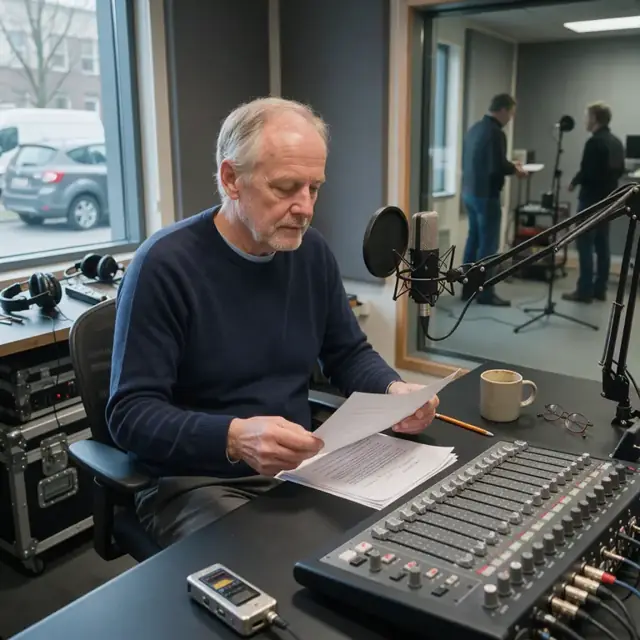
Segment Intake Coordinator
Turn every guest pitch, sponsorship request and news tip into a confirmed, logged segment.
Works in: Ambitious Tasks, Ambitious Docs, Email Buckets · Workflows: Pitch and segment intake
Automates
- Reads incoming pitches and forms
- Checks availability against the program grid
- Drafts booking confirmations with technical requirements
- Creates production tasks and adds to the daily log draft
Stops for a person
- Program director approves all editorial and political content
- Talent personally confirms live segment details
- A person sends final booking messages

Program Log Builder
Assemble the complete daily on-air log from the master clock, confirmed segments and commercial traffic.
Works in: Ambitious Tasks, Ambitious Docs, Process Optimizer · Workflows: Daily program log construction
Automates
- Loads daypart clock templates
- Inserts live, syndicated and music blocks
- Merges traffic instructions
- Exports logs for automation and talent
Stops for a person
- On-air talent reviews and adjusts the final log
- Station manager approves any deviations from the published schedule
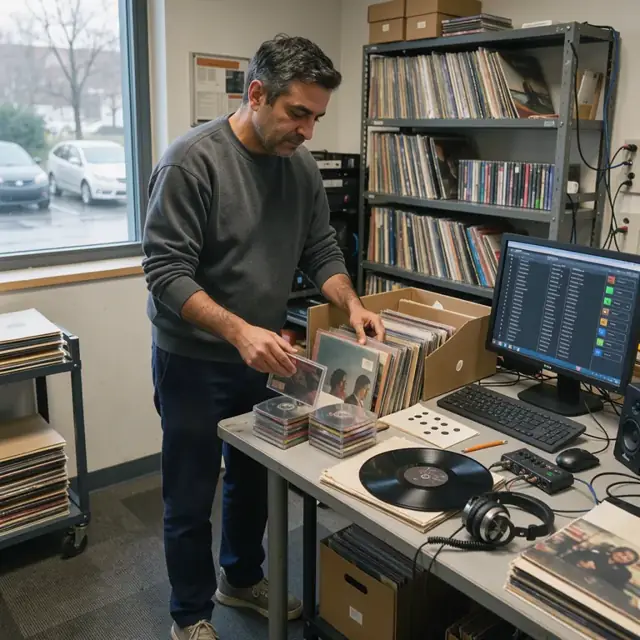
Music Clearance and Cue Clerk
Review playlists, clear music for air, generate cue sheets and prepare royalty reports.
Works in: Ambitious Docs, Ambitious Sheets, Ambitious Tasks · Workflows: Music library clearance and cue-sheet
Automates
- Checks tracks against license databases
- Builds detailed cue sheets with usage data
- Flags tracks needing replacement
- Drafts reports for performance rights organizations
Stops for a person
- Music director selects final playlist and approves substitutions
- Station management reviews and files all royalty documents

Commercial Traffic Manager
Import sales contracts, schedule spots according to rotation and adjacency rules, and generate daily traffic instructions.
Works in: Ambitious Tasks, Ambitious Sheets, Ambitious Docs · Workflows: Commercial traffic and rotation
Automates
- Loads contract terms and copy
- Assigns spots to open inventory
- Enforces rotation and conflict rules
- Produces traffic logs and make-good reports
Stops for a person
- Sales staff approve any changes to contracted schedules
- A person reviews and releases final traffic instructions to air

Transmitter and Stream Monitor
Monitor transmitter parameters, streaming performance and EAS compliance, then compile daily engineering reports.
Works in: Ambitious Tasks, Ambitious Docs, Ambitious Sheets · Workflows: Transmitter and stream monitoring
Automates
- Pulls overnight transmitter and stream logs
- Checks EAS test windows and metadata
- Drafts outage and performance summaries
- Archives required audio files
Stops for a person
- Chief engineer reviews all technical alarms and corrective actions
- Station manager confirms EAS test results before filing

Sales Billing Coordinator
Reconcile aired commercials against contracts, generate invoices with performance affidavits and maintain accounts receivable.
Works in: Ambitious Sheets, Ambitious Docs, Ambitious Tasks · Workflows: Sales contract to billing cycle
Automates
- Compares logs to contracted schedules
- Generates invoices and affidavits
- Flags discrepancies for review
- Updates aging and payment reports
Stops for a person
- Sales manager approves all invoices and credits
- A person sends final bills and follows up on payments

Public File and Compliance Clerk
Maintain the station public inspection file, compile quarterly issues lists and track all FCC-required paperwork.
Works in: Ambitious Docs, Ambitious Tasks, Ambitious Sheets · Workflows: Public inspection file and compliance
Automates
- Organizes quarterly reports and political files
- Tracks renewal and ownership deadlines
- Assembles required documents for inspection
- Drafts checklists for license renewals
Stops for a person
- Station manager personally reviews all public file contents
- Station counsel confirms legal and political broadcasting requirements
- Only people can sign and submit FCC filings
Workflows
Pitch and segment intake
Starts when: A guest, sponsor or news tip arrives by email, form or direct message
- Capture the topic, proposed length, preferred daypart and any technical needs
- Check against the current program grid and editorial calendar
- Draft a confirmation with exact air time, prep instructions and remote setup details
- Create a production task with talent notes and music bed requirements
- Add the segment to the daily log draft
Watch for: Live segments must align with FCC on-air identification and EAS priorities; Political or issue-based content requires immediate review for equal-time rules
Daily program log construction
Starts when: Each weekday morning for the next broadcast day
- Pull the master clock template for each daypart
- Insert live shows, syndicated blocks, news, weather and automation segments
- Place music sweeps, legal IDs and EAS test windows
- Merge confirmed commercial spots from the traffic system
- Export the log for on-air talent and automation system import
Watch for: Hourly spot loads cannot exceed FCC and format limits; Automation handoffs must match exact cue points
Music library clearance and cue-sheet
Starts when: Weekly and when new tracks are added
- Review proposed playlist against current licenses and reporting obligations
- Generate cue sheets with artist, title, duration and usage type
- Flag tracks needing direct licensing or replacement
- Update the digital library metadata for on-air and streaming use
- Draft royalty reports for performance rights organizations
Watch for: Accurate duration and usage reporting prevents audit discrepancies; Seasonal or promotional tracks may have separate clearance paths
Commercial traffic and rotation
Starts when: After each sales contract is signed and weekly
- Import contract details, copy, rotation rules and flight dates
- Assign spots to available inventory without violating adjacency or product conflict rules
- Generate daily traffic instructions for the on-air system
- Flag unscheduled inventory for sales follow-up
- Produce make-good lists when spots do not run
Watch for: Fixed rotation and product separation rules are advertiser-specific; Last-minute copy changes must be re-approved before air
Transmitter and stream monitoring
Starts when: Continuous with daily summary at shift end
- Pull overnight transmitter power, modulation and alarm logs
- Check streaming platform analytics and ad-insertion success
- Draft outage or discrepancy reports for engineering review
- Schedule required weekly EAS tests and log results
- Archive audio files required for the public inspection file
Watch for: FCC requires specific power and modulation tolerances at all times; Streaming metadata must match on-air programming
Sales contract to billing cycle
Starts when: End of each broadcast month
- Reconcile actual aired spots against contracted schedule
- Generate invoices with affidavits of performance
- Draft statements for agencies and direct clients
- Flag discrepancies for sales team resolution
- Update accounts-receivable aging report
Watch for: Political advertising requires separate tracking and lowest-unit-rate compliance; Only station management can approve credits or make-goods
Public inspection file and compliance
Starts when: Quarterly, on renewal dates and when documents are received
- Collect quarterly issues and programs lists
- Add political broadcast records, time-brokerage agreements and donor lists
- Update ownership reports, FCC authorizations and tower registrations
- Draft renewal application checklists
- Organize files for public and FCC inspection
Watch for: Rules differ for AM, FM, directional arrays and shared towers; Station management must personally confirm all content and legal filings
Bot templates for this industry
- Radio Broadcasting Stations (7 bots)
Source: U.S. Small Business Administration, Office of Size Standards, Table of Small Business Size Standards Matched to North American Industry Classification System Codes, version March 2023 (effective 2023-03-17, NAICS 2022). Size standards are shown for reference only.