

Claims Adjusting
Independent claims adjusters receive first notices of loss from policyholders or carriers, schedule and perform property inspections, document damage with photos and measurements, prepare detailed line-item estimates using industry pricing tools, and assemble complete claim files for carrier review and settlement. For an adjuster handling residential property, auto and liability claims on behalf of multiple carriers, the specialists turn incoming notices into scheduled site visits, inspection data into scoped estimates, and full documentation packages into carrier-ready files while tracking licensing, appointments and carrier-specific requirements.
What makes this business different
- First notice of loss must capture policy number, date of loss, cause of loss and initial description exactly as reported
- State-specific adjuster licensing, continuing education tracking and carrier appointment letters that must be renewed on time
- Scheduling of physical site inspections with policyholders, contractors or opposing parties while meeting carrier time deadlines
- High-resolution photos, scale measurements, diagrams, material notes and witness statements that form the evidentiary record
- Line-item damage estimates built from current industry pricing databases for labor, materials, equipment and overhead
- Flagging of subrogation opportunities, fraud indicators, chain-of-custody evidence and coverage questions for carrier decision
- Carrier-specific report formats, billing codes, portals and approval workflows that vary by company
- Seasonal volume spikes following storms, floods, hail or wildfires that require rapid scaling of inspection capacity
Specialist bots

Intake Coordinator
Turn every first notice of loss into a properly documented and assigned claim file with deadlines.
Works in: Ambitious Tasks, Ambitious Docs, Email Buckets · Workflows: First notice of loss intake and assignment
Automates
- Reads incoming loss notices from email, portals and messages
- Extracts and records policy, insured and loss details exactly as reported
- Creates master claim task with all deadlines and required steps
- Drafts acknowledgment messages for review
- Checks for obvious conflicts of interest or duplicate claims
Stops for a person
- The licensed adjuster reviews and accepts or declines each new assignment
- Coverage questions and policy interpretation are escalated to the carrier
- A person sends all communications to insureds and carriers
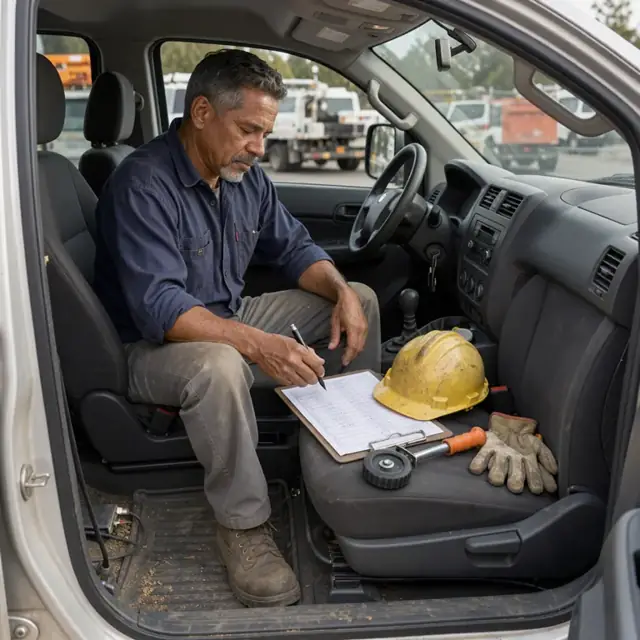
Inspection Scheduler
Coordinate inspection appointments with insureds, prepare each site visit kit and confirm all parties.
Works in: Ambitious Tasks, Ambitious Docs, Email Buckets · Workflows: Inspection scheduling and preparation
Automates
- Contacts insureds to find mutually available inspection times
- Checks carrier deadlines against the current schedule
- Prepares inspection checklist, required forms and equipment list
- Sends confirmations with date, time, access instructions and document list
Stops for a person
- The licensed adjuster confirms availability for complex, high-value or contentious claims
- The adjuster decides when a joint inspection with contractor or engineer is required
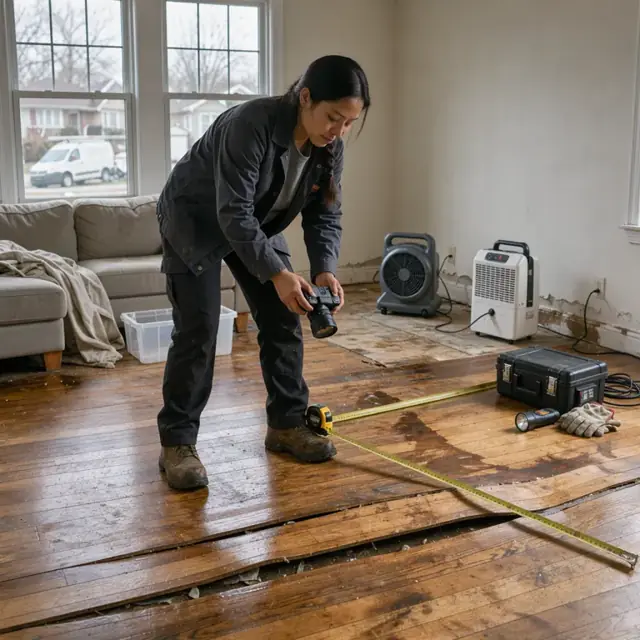
Field Documenter
Capture comprehensive on-site evidence through organized photos, measurements, notes and logs.
Works in: Ambitious Tasks, Ambitious Docs · Workflows: On-site damage inspection and documentation
Automates
- Organizes photos with captions, timestamps and room-by-room grouping
- Creates structured damage documentation template from site notes
- Generates measurement summary and material inventory list
- Flags potential subrogation opportunities or fraud indicators for review
Stops for a person
- The licensed adjuster performs the physical inspection and decides what additional evidence is needed
- The adjuster reviews all photos, notes and logs before estimate preparation

Damage Estimator
Convert inspection data and photos into accurate line-item repair and replacement estimates.
Works in: Ambitious Sheets, Ambitious Docs, Process Optimizer · Workflows: Damage estimating and scope writing
Automates
- Builds room-by-room damage scopes from photos and inspection notes
- Pulls current pricing for labor, materials and equipment
- Calculates depreciation, taxes and overhead per carrier rules
- Drafts narrative report explaining the cause of loss and scope
- Identifies items needing engineer or specialist review
Stops for a person
- The licensed adjuster reviews and approves every estimate before it is finalized
- The adjuster makes all coverage interpretations and policy decisions

Report Assembler
Compile complete claim files with all documentation and prepare them for carrier submission.
Works in: Ambitious Docs, Ambitious Tasks, Email Buckets · Workflows: Claim report assembly and submission
Automates
- Organizes all photos, estimates, narratives, statements and diagrams into one package
- Formats reports to match each carrier's specific requirements
- Checks the assembled file against carrier submission standards
- Prepares billing invoice using the carrier's required codes
Stops for a person
- The licensed adjuster performs final review, signs the report and approves submission
- A person uploads or transmits the final package through the carrier portal
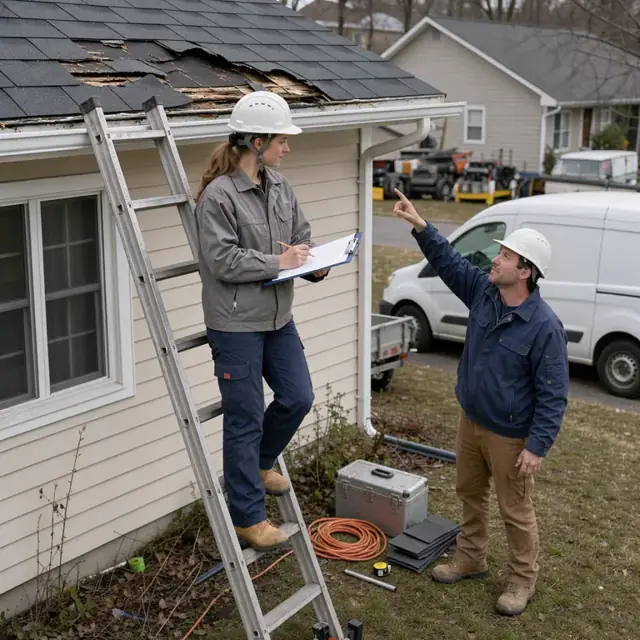
Supplemental Claim Handler
Evaluate additional damage claims, schedule reinspections when needed and prepare supplemental reports.
Works in: Ambitious Tasks, Ambitious Docs, Ambitious Sheets · Workflows: Supplemental claim handling and reinspection
Automates
- Compares new contractor estimates against the original inspection and findings
- Prepares reinspection checklists and required additional photo lists
- Updates estimates with new line items and revised calculations
- Documents differences and writes justification for each supplemental item
Stops for a person
- The licensed adjuster conducts any reinspection and makes all coverage decisions
- The adjuster reviews and approves every supplemental recommendation before submission
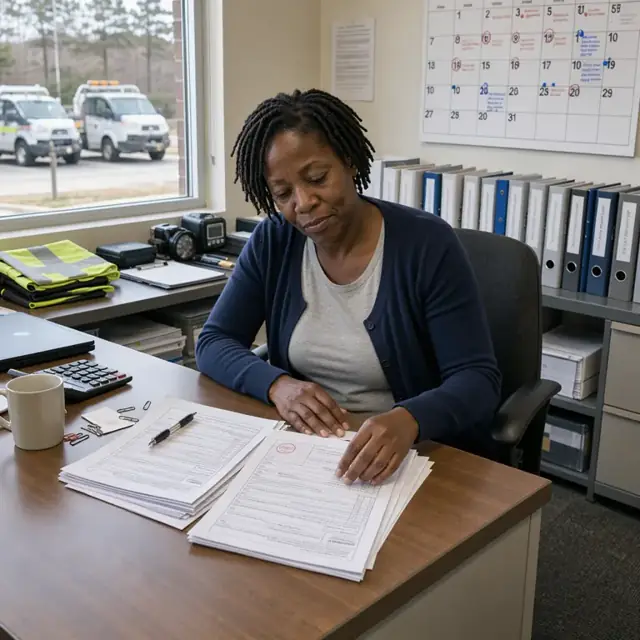
Licensing and Compliance Coordinator
Track licenses, continuing education, carrier appointments and prepare activity summaries for review.
Works in: Ambitious Tasks, Ambitious Sheets, Ambitious Docs · Workflows: Licensing, education and carrier compliance
Automates
- Tracks license renewal dates, completed education hours and remaining requirements
- Monitors carrier appointment status and performance metrics
- Maintains up-to-date carrier guideline and reporting templates
- Generates monthly activity and billing summaries for each carrier
Stops for a person
- The licensed adjuster confirms which state and carrier requirements apply to each license
- The adjuster completes all continuing education and signs any compliance filings
- The bot never certifies compliance; people confirm requirements
Workflows
First notice of loss intake and assignment
Starts when: Carrier or policyholder submits first notice of loss by email, portal, fax or phone message
- Capture policy number, date of loss, peril, initial description and all reported details word for word
- Verify assignment against carrier guidelines, check for conflicts of interest and confirm acceptance
- Create master claim task with all initial data, carrier deadlines and required inspection type
- Draft acknowledgment message for carrier and insured review
- Log the claim in the master schedule and flag any immediate safety or preservation issues
Watch for: Accurate verbatim capture of the loss description is critical for later coverage determination; Some carriers require acceptance or declination within a few hours of assignment
Inspection scheduling and preparation
Starts when: Claim is assigned and ready for inspection
- Identify required inspection type, carrier special instructions and any needed third parties
- Contact insured or representative to schedule site visit within the carrier's required timeframe
- Prepare inspection kit list including camera, measuring tools, safety gear, forms and ladders
- Send confirmation with date, time, access instructions and list of documents the insured should have ready
- Coordinate with contractors, engineers or opposing adjusters when joint inspection is required
Watch for: Many states require prompt inspection within 48-72 hours of first notice; Access constraints at damaged, commercial or secured properties must be resolved
On-site damage inspection and documentation
Starts when: Scheduled inspection date and time arrives
- Document overall scene with wide-angle photos, site measurements and weather conditions
- Capture detailed damage photos from multiple angles including scale references and close-ups
- Record dimensions, material types, age, condition and quality level of all affected items
- Interview insured, gather witness statements and note any potential subrogation or fraud indicators
- Create organized photo log with captions, timestamps, room-by-room inventory and any coverage questions
Watch for: Photos must be clear, well-lit, dated and include reference objects for accurate scale; Safety protocols at damaged structures, roofs or flooded sites must be followed at all times
Damage estimating and scope writing
Starts when: Inspection data, photos and measurements have been collected
- Organize photos, notes and measurements into a structured room-by-room damage scope
- Build line-by-line estimate using current pricing databases for labor, materials and equipment
- Apply depreciation, taxes, overhead and profit according to the specific policy and carrier rules
- Flag items needing engineer review, further investigation or possible subrogation
- Draft narrative report explaining cause of loss, scope of damage and any coverage questions
Watch for: Estimates must align with each carrier's specific pricing, formatting and depreciation rules; Replacement cost versus actual cash value calculations must follow the exact policy terms
Claim report assembly and submission
Starts when: Estimate and all supporting documentation are complete
- Compile photos, measurements, statements, estimate, narrative and any diagrams into one organized file
- Check the complete file against the specific carrier's requirements and formatting standards
- Draft final report with recommendations for payment, denial or further investigation
- Prepare billing invoice using the carrier's required codes and rates
- Submit the package through the carrier's designated portal or approved method
Watch for: Different carriers require different report formats, photo organization and supporting documents; Strict carrier deadlines apply for initial report submission after inspection
Supplemental claim handling and reinspection
Starts when: Insured or contractor submits additional damage or revised estimate
- Compare new information and contractor estimates against the original inspection findings
- Schedule reinspection if additional damage is claimed or photos are insufficient
- Update scope and estimate with new line items and revised calculations
- Document differences, provide justification for each supplemental item
- Assemble and submit revised report with updated billing through the carrier portal
Watch for: Many claims require one or more supplements after the initial payment is issued; Contractor estimates frequently differ significantly from the independent adjuster's findings
Licensing, education and carrier compliance
Starts when: Monthly and on renewal or new-carrier appointment dates
- Track state adjuster license renewal dates, continuing education hours completed and required credits still needed
- Monitor carrier appointment status, performance scorecards and any required updates
- Update carrier-specific guidelines, reporting templates and billing codes in the knowledge base
- Generate monthly activity summary, billing recap and claim status report for each carrier
- Maintain organized digital records of all claim files, photos and correspondence for audits
Watch for: Licensing rules and continuing education requirements differ by state; Each carrier maintains its own performance standards and audit rights; The licensed adjuster confirms which requirements apply to each active appointment
Bot templates for this industry
- Claims Adjusting (7 bots)
Source: U.S. Small Business Administration, Office of Size Standards, Table of Small Business Size Standards Matched to North American Industry Classification System Codes, version March 2023 (effective 2023-03-17, NAICS 2022). Size standards are shown for reference only.