

Industrial Design Services
Industrial design studios develop product concepts from client briefs through sketches, CAD models, prototypes and manufacturing handoff. For a studio that creates consumer-product designs with iterative client reviews, the specialists turn briefs into scoped projects with contracts, manage concept iterations and feedback, schedule prototype builds, track digital assets and versions, prepare technical packages for manufacturing and monitor project budgets. Regulatory standards lists, material specifications, critical dimensions and client approvals stay with the lead designer.
What makes this business different
- Client briefs with functional requirements, aesthetic goals, cost targets, timeline and manufacturing process constraints that must be captured exactly
- Iterative design cycles with multiple rounds of client feedback on sketches, renders, physical models and final drawings
- Management of digital assets including version-controlled CAD files, renderings, material libraries, mood boards and assembly drawings
- Scheduling of in-house model shop or outside vendors for foam carving, 3D printing, CNC machining and finished prototypes
- Preparation of technical files with tolerances, material callouts, assembly instructions and bills of materials for manufacturing partners
- Tracking of project budgets, billable time by phase, material costs and milestone billing
- Client-specific NDAs, file-sharing protocols, intellectual-property segregation and varying regulatory requirements by product category and target market
Specialist bots

Project Intake Coordinator
Turn every client brief into a fully scoped project folder with contract and NDA drafts.
Works in: Ambitious Tasks, Ambitious Docs, Contract Analyzer · Workflows: Project intake and scoping
Automates
- Reads incoming briefs and extracts requirements verbatim
- Compares against current studio capacity and similar past projects
- Drafts phased scope of work documents
- Prepares NDA and contract templates
- Creates standardized project folder structures
Stops for a person
- The lead designer approves scope, deliverables and pricing
- A person reviews, negotiates and sends all contracts and NDAs
- The owner confirms client fit before work begins

Concept Development Manager
Track multiple concept directions, schedule reviews and compile client feedback into revised direction lists.
Works in: Ambitious Tasks, Ambitious Docs, Ambitious Sheets · Workflows: Concept development and iteration
Automates
- Organizes reference images and mood board files
- Creates milestone review schedules
- Logs client comments against specific concepts or features
- Drafts presentation decks showing current directions
- Maintains decision history across all iterations
Stops for a person
- The design team selects which concepts advance
- The lead designer approves every client-facing presentation
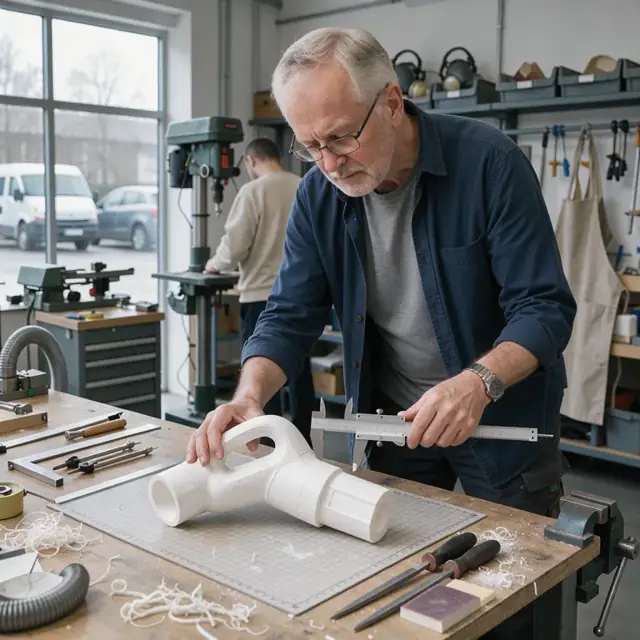
Prototype Scheduler
Convert approved designs into model shop work orders and coordinate build and review schedules.
Works in: Ambitious Tasks, Ambitious Docs · Workflows: Prototype and model shop scheduling
Automates
- Determines prototype types, quantities and specifications from the design phase
- Checks availability of in-house and vendor model shop resources
- Drafts detailed work orders with material and tolerance requirements
- Schedules build dates and follow-up review sessions
- Tracks actual costs and lead times against the project budget
Stops for a person
- The lead designer confirms all material and tolerance specifications
- The owner approves any vendor expenditures
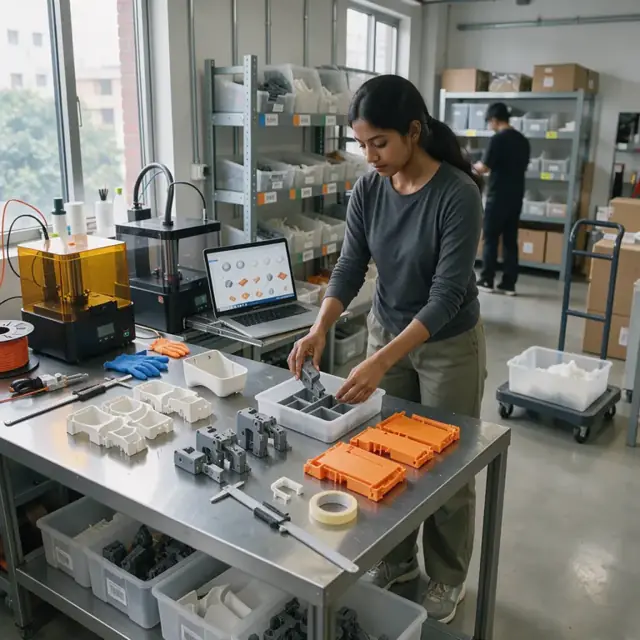
Digital Asset Librarian
Maintain organized, version-controlled libraries of CAD models, renderings, drawings and material specifications.
Works in: Ambitious Docs, Ambitious Sheets, Ambitious Tasks · Workflows: Digital asset and version management
Automates
- Enforces file naming and folder conventions across all projects
- Tracks versions and change logs for 3D models and drawings
- Maintains shared material and finish libraries
- Packages complete file sets for client or manufacturer handoff
- Archives finished projects with searchable metadata
Stops for a person
- Designers verify accuracy of files before archiving
- The lead designer approves every client file package
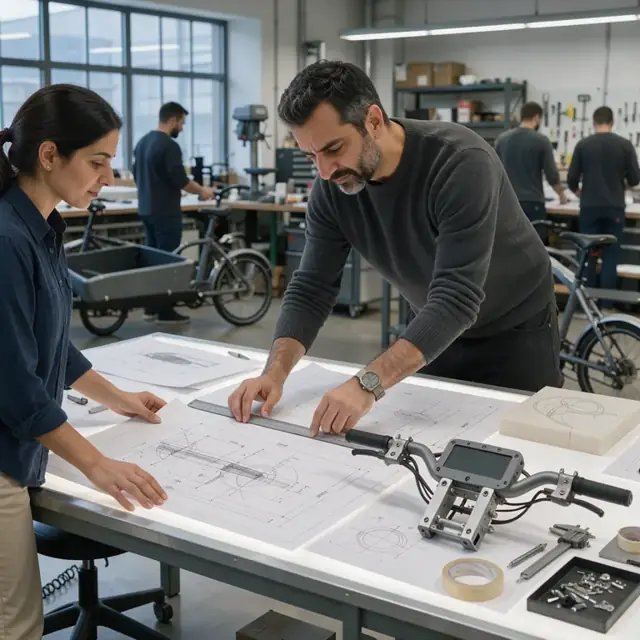
Manufacturing Handoff Preparer
Assemble complete technical drawing packages, bills of materials and manufacturing specifications.
Works in: Ambitious Docs, Ambitious Sheets, Process Optimizer · Workflows: Manufacturing and engineering handoff
Automates
- Generates bills of materials directly from 3D model data
- Compiles drawing sets with all required views and callouts
- Checks files against common manufacturing process constraints
- Organizes all files into standardized handoff folders
- Drafts design rationale and intent summaries
Stops for a person
- The lead designer verifies all critical dimensions and tolerances
- A person performs final quality check before any files leave the studio

Project Finance Tracker
Monitor time, expenses and budget by project phase and prepare milestone invoices.
Works in: Ambitious Sheets, Ambitious Tasks, Ambitious Docs · Workflows: Project financial tracking and billing
Automates
- Imports and categorizes time entries by phase
- Compares hours and costs against original estimates
- Drafts milestone invoices with supporting documentation
- Tracks material, prototype and vendor expenses
- Forecasts remaining budget and hours to project completion
Stops for a person
- The owner approves every invoice before it is sent
- The lead designer confirms phase completion status
- Any change orders require owner approval and signature

Regulatory Compliance Coordinator
Generate lists of applicable standards and maintain requirement checklists for each project.
Works in: Ambitious Tasks, Ambitious Docs, Ambitious Sheets · Workflows: Regulatory and compliance tracking
Automates
- Lists relevant standards by product category and target markets
- Maintains per-project checklists of addressed requirements
- Flags items that require external testing or verification
- Tracks all compliance-related client correspondence
- Archives supporting documentation for each phase
Stops for a person
- The lead designer confirms which requirements apply to the specific product
- People make all final decisions on testing and certification
- The bot never certifies compliance
Workflows
Project intake and scoping
Starts when: A prospective client sends a brief by email, form or meeting notes
- Extract product type, functional requirements, aesthetic goals, target cost, timeline and manufacturing constraints verbatim
- Check against current studio workload and similar past projects
- Draft a phased scope of work with deliverables, estimated hours and milestone dates
- Prepare NDA and contract draft
- Create a project folder structure with all reference materials and briefs
Watch for: Functional and manufacturing constraints must be captured word for word; Any assumptions about production processes require lead designer confirmation before final scoping
Concept development and iteration
Starts when: After project kickoff or each client feedback round
- Organize reference images, competitor products and material samples
- Track multiple distinct concept directions using sketches and digital mood boards
- Schedule internal team reviews at set phase gates
- Compile client feedback against specific visual or functional elements
- Prepare presentation materials for the next client review round
Watch for: Multiple concepts must remain clearly separated with version histories; Feedback must be logged so nothing is lost between rounds
Prototype and model shop scheduling
Starts when: When a concept reaches approved stage for physical modeling
- Identify required prototype types, quantities, materials and key tolerances
- Check availability of in-house model shop or outside vendors against project timeline
- Draft detailed work orders with specifications and finishing requirements
- Schedule build dates, review sessions and iteration loops
- Log actual costs, lead times and lessons for future reference
Watch for: Lead times for different fabrication methods vary significantly; Material and shop costs must be captured to update project budget
Digital asset and version management
Starts when: Daily and at every phase transition
- Enforce consistent naming and folder structure for CAD, sketches, renders and drawings
- Maintain version history and change logs across all files
- Update shared material and finish libraries used on multiple projects
- Package complete file sets for client review or manufacturing handoff
- Archive finished projects with searchable metadata
Watch for: Large CAD and render files require disciplined organization; Client intellectual property must remain fully segregated
Manufacturing and engineering handoff
Starts when: When final design receives client approval
- Compile complete technical drawing package with all necessary views, tolerances and material callouts
- Generate bill of materials directly from the 3D model
- Check files against common manufacturing processes for the chosen method
- Assemble handoff folder with drawings, specifications and design rationale
- Prepare any additional client-requested presentation materials
Watch for: Different manufacturing processes require different levels of documentation; All critical dimensions and tolerances must be confirmed by the lead designer
Project financial tracking and billing
Starts when: Weekly and at each milestone
- Import time entries and categorize by project phase
- Compare hours and expenses against original estimate and budget
- Draft milestone invoice with supporting detail on deliverables and time spent
- Track material, prototype and vendor costs
- Forecast remaining hours and budget to completion
Watch for: Many clients require detailed time breakdowns by phase; Any change orders must be documented and approved before additional work begins
Regulatory and compliance tracking
Starts when: At concept approval and before final handoff
- Generate list of applicable standards and regulations by product category and target markets
- Maintain checklist of which requirements have been addressed in the current design
- Flag items that will need physical testing or third-party verification
- Track all compliance-related correspondence and decisions
- Archive supporting documentation for each project
Watch for: Rules differ by country, product type and sales channel; The lead designer confirms which requirements apply to each project
Bot templates for this industry
- Industrial Design Services (7 bots)
Source: U.S. Small Business Administration, Office of Size Standards, Table of Small Business Size Standards Matched to North American Industry Classification System Codes, version March 2023 (effective 2023-03-17, NAICS 2022). Size standards are shown for reference only.