

Computer Facilities Management Services
Providers manage client data centers, server rooms and hybrid cloud infrastructure on a contract basis. For a firm handling daily operations of multiple client server rooms and network closets, the specialists turn client requests into scheduled tasks, turn monitoring alerts into incident tickets with runbooks, maintain asset and license inventories, schedule preventive maintenance and vendor visits, and keep change logs and compliance paperwork current. Runbooks, security policies and client-specific procedures stay with the lead technician.
What makes this business different
- Client-specific runbooks, access procedures and escalation matrices that differ by contract
- 24/7 monitoring of servers, UPS, cooling, network links and environmental sensors with defined alert severity levels
- Change management: all hardware, firmware, configuration and access changes must be logged and approved before execution
- Asset tracking for servers, switches, storage arrays, licenses and spare parts across multiple client sites
- Vendor coordination for warranty repairs, carrier circuits and cloud-provider support cases
- Preventive maintenance schedules for HVAC, UPS battery testing, generator runs and firmware updates
- Incident and outage reporting with root-cause documentation and client notification requirements
- Secure disposal and chain-of-custody logs for decommissioned drives and equipment
Specialist bots

Request Intake Coordinator
Convert every client message or alert into a scoped, prioritized ticket with the correct runbook attached.
Works in: Ambitious Tasks, Email Buckets, Ambitious Docs · Workflows: Client request and ticket intake
Automates
- Reads incoming emails, portal submissions and alert feeds
- Matches requests to client runbooks and contracts
- Assigns priority and creates the ticket
- Drafts acknowledgment messages
Stops for a person
- The lead technician reviews high-severity or ambiguous requests
- A person sends all client-facing messages and approvals
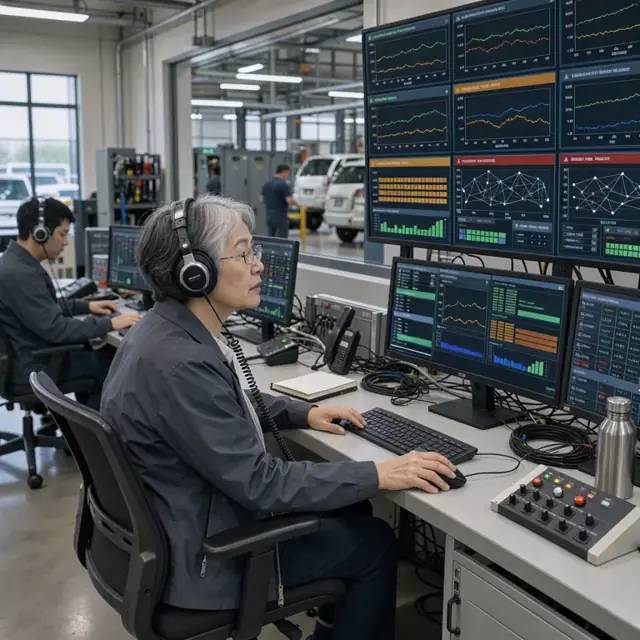
Incident Response Handler
Route monitoring alerts to the correct runbook, open incident tickets and manage initial client notifications.
Works in: Ambitious Tasks, Ambitious Docs, Process Optimizer · Workflows: Monitoring alert and incident handling
Automates
- Classifies alerts by severity
- Attaches the proper runbook
- Opens and timestamps the incident ticket
- Drafts client notification messages
Stops for a person
- The on-call technician executes hands-on steps and determines root cause
- The lead reviews all incident reports before they are sent

Change Management Coordinator
Schedule, document and track all infrastructure changes according to each client's approval process.
Works in: Ambitious Tasks, Ambitious Docs, Ambitious Sheets · Workflows: Change request and implementation
Automates
- Records change requests with risk level
- Checks against the client's maintenance calendar
- Drafts implementation and back-out plans
- Tracks approvals and logs completion
Stops for a person
- The lead technician performs the actual change
- Client sign-off is obtained by a person before any execution
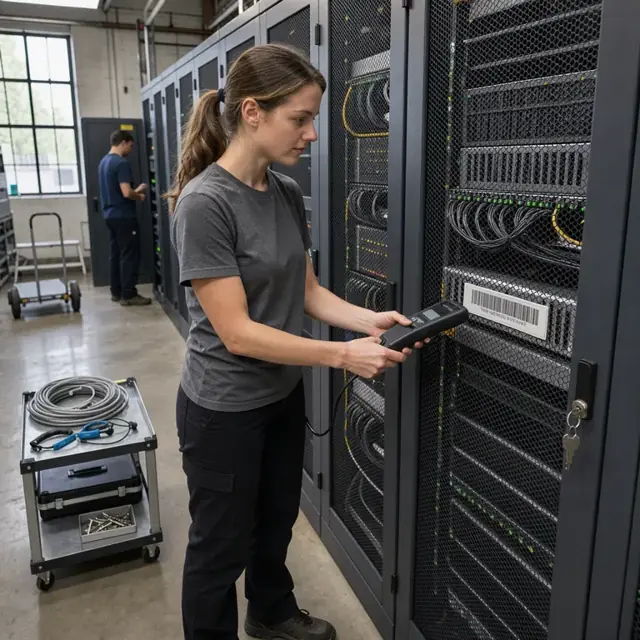
Asset and License Manager
Maintain accurate records of all hardware, software licenses and spares across client sites.
Works in: Ambitious Sheets, Ambitious Tasks, Ambitious Docs · Workflows: Asset and license inventory updates
Automates
- Reconciles scan data with inventory records
- Tracks license expiration dates
- Flags low stock of spares
- Generates client-specific inventory summaries
Stops for a person
- The lead technician verifies physical counts during site visits
- Purchasing decisions are made by the owner
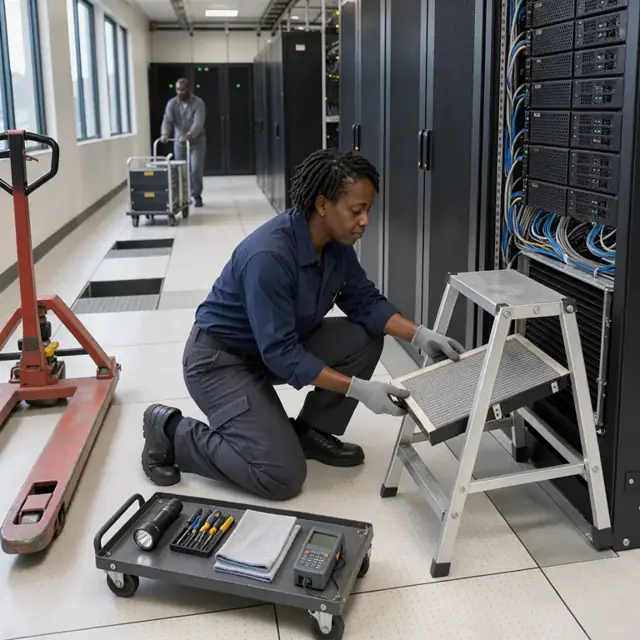
Maintenance Scheduler
Build and coordinate preventive maintenance calendars and vendor dispatch schedules for all client sites.
Works in: Ambitious Tasks, Ambitious Sheets, Process Optimizer · Workflows: Preventive maintenance scheduling
Automates
- Pulls recurring maintenance tasks by client
- Aligns schedules with client availability
- Creates work orders and reserves access windows
- Tracks completion and updates history
Stops for a person
- The owner approves any schedule that affects client operations
- Certified technicians or vendors perform the actual maintenance

Vendor and Carrier Coordinator
Open, track and document all third-party support cases, repairs and smart-hands visits.
Works in: Ambitious Tasks, Email Buckets, Ambitious Docs · Workflows: Vendor and carrier coordination
Automates
- Creates vendor support tickets with required details
- Schedules dispatch windows and writes smart-hands instructions
- Monitors SLA response times
- Closes related internal records
Stops for a person
- The lead technician supervises vendor activity on site
- All client notifications are approved by a person

Reporting and Compliance Clerk
Compile monthly reports, maintain change and incident logs and track contract and certificate dates.
Works in: Ambitious Docs, Ambitious Sheets, Ambitious Tasks · Workflows: Reporting and documentation upkeep
Automates
- Assembles uptime and incident summaries
- Updates asset and maintenance reports
- Warns before contract or insurance dates expire
- Organizes chain-of-custody archives
Stops for a person
- The owner reviews and approves every report before it is sent to clients
- People confirm that all documentation meets each client's specific requirements
Workflows
Client request and ticket intake
Starts when: A client submits a service request by email, portal or phone message
- Parse the request into priority, affected systems and required access level
- Match against the client's runbook and contract scope
- Create a ticket with linked runbook steps and notify the on-call technician
- Draft acknowledgment and expected response-time message
- Log the ticket in the master schedule
Watch for: Different clients have different approval chains and severity definitions; Access must be granted only after verifying the requester's identity against the approved list
Monitoring alert and incident handling
Starts when: Monitoring system generates an alert or a client reports an outage
- Classify severity using the client's defined thresholds
- Pull the relevant runbook and open an incident ticket
- Execute first-response steps and update the ticket timeline
- Notify client contacts per the escalation matrix
- Document root cause and resolution steps once closed
Watch for: Some alerts require immediate physical presence at the data center; All steps must be timestamped for client reporting
Change request and implementation
Starts when: Client or internal request for configuration, hardware or software change
- Record the change request with business justification and risk level
- Schedule the change window according to the client's maintenance calendar
- Draft the implementation plan and back-out steps
- Obtain approvals from both the provider and the client
- Execute, verify and document the change in the log
Watch for: Changes cannot proceed without documented client sign-off; Emergency changes follow a shortened but still logged path
Asset and license inventory updates
Starts when: Weekly, after any hardware move or new deployment
- Scan or reconcile physical assets against the database
- Update firmware, serial numbers and location records
- Track software licenses nearing expiration
- Flag spares that have fallen below minimum stock
- Generate a summary report for each client
Watch for: Assets are located across multiple secured facilities; License counts must stay within contract limits
Preventive maintenance scheduling
Starts when: Monthly and on recurring contract dates
- Pull all upcoming preventive tasks by client and equipment type
- Coordinate with client availability and vendor lead times
- Assign tasks to technicians or third-party vendors
- Reserve access windows and generate work orders
- Confirm completion and update maintenance history
Watch for: Generator load-bank tests and UPS battery replacements require extended downtime windows; Some tasks require specific certified technicians
Vendor and carrier coordination
Starts when: When a support case, repair or circuit issue is opened
- Create and track vendor or carrier support tickets
- Schedule dispatch or remote access windows
- Monitor vendor response against SLA
- Document hand-off and resolution details
- Close related internal tickets
Watch for: Different clients use different approved vendor lists; Smart-hands instructions must be written for every vendor visit
Reporting and documentation upkeep
Starts when: End of month, after each incident and on contract review dates
- Compile uptime, incident and change logs for each client
- Update asset and maintenance reports
- Track contract renewal and insurance certificate dates
- Archive decommissioned equipment chain-of-custody records
- Draft monthly client summary for review
Watch for: Each client requires reports in a specific format and cadence; All documentation must be stored according to the client's data-retention policy
Bot templates for this industry
Source: U.S. Small Business Administration, Office of Size Standards, Table of Small Business Size Standards Matched to North American Industry Classification System Codes, version March 2023 (effective 2023-03-17, NAICS 2022). Size standards are shown for reference only.