

Research and Development in Nanotechnology
Nanotechnology R&D labs design, synthesize and characterize nanomaterials and devices at the atomic scale. For a lab that receives sponsor or internal project requests to develop custom nanostructures such as nanoparticles, nanowires or thin-film coatings, the specialists turn proposals into approved project charters, charters into experimental run plans and equipment schedules, run plans into material orders and safety protocols, and results into organized reports and invention disclosures. Synthesis recipes, instrument calibrations and hazard assessments remain with the lead scientist.
What makes this business different
- Custom experimental designs with precise parameters for size, composition, surface functionalization and purity targets
- Sequential project phases with sponsor milestones, go-no-go decisions and reporting deadlines
- Shared cleanroom, glovebox and characterization instruments that require booking and calibration before use
- Specialty chemicals, precursors and substrates ordered in small quantities with strict purity and shelf-life tracking
- Detailed lab notebooks, raw data files, image logs and versioned protocols that must be traceable for every run
- Hazardous materials handling, chemical hygiene, waste disposal and nanomaterial-specific safety documentation
- Intellectual property capture including invention disclosures and provisional patent drafts prepared for review
Specialist bots
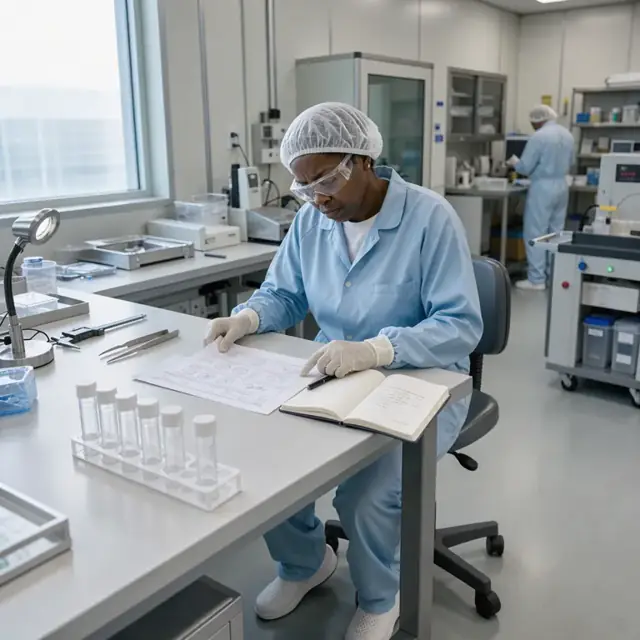
Project Intake Specialist
Convert every incoming nanotechnology project request into a scoped, reviewed project charter.
Works in: Ambitious Tasks, Ambitious Docs, Contract Analyzer · Workflows: Project request intake and scoping
Automates
- Reads sponsor forms, emails and proposal documents
- Extracts technical targets, timelines and deliverables
- Builds the initial charter and milestone list
- Routes for scientific and safety review
- Creates the master project folder and task
Stops for a person
- The lead scientist approves technical feasibility and scope changes
- A person reviews and sends all sponsor-facing communications
- Hazardous material flags are escalated to the safety officer

Experimental Design Planner
Turn approved project charters into detailed run protocols and instrument schedules.
Works in: Ambitious Tasks, Ambitious Docs · Workflows: Experimental design and scheduling
Automates
- Breaks projects into synthesis and characterization steps
- Selects instruments and defines exact parameters
- Books shared equipment time slots
- Generates step-by-step protocols with embedded safety notes
Stops for a person
- The principal investigator reviews and approves all protocols
- Schedule changes due to equipment issues are decided by lab staff
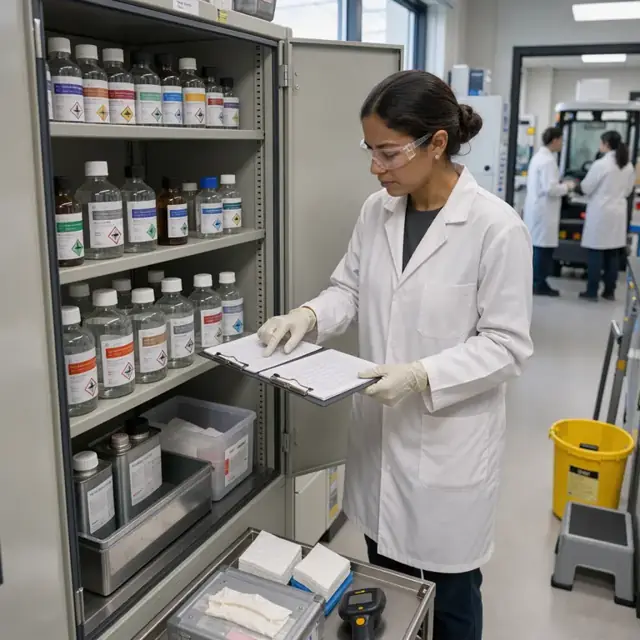
Materials and Procurement Coordinator
Convert experimental protocols into precise chemical and nanomaterial orders while maintaining lab inventory.
Works in: Ambitious Sheets, Ambitious Tasks, Ambitious Docs · Workflows: Nanomaterial and chemical procurement
Automates
- Extracts required precursors and quantities from protocols
- Checks current stock and shelf-life status
- Drafts purchase lists by supplier with purity specifications
- Updates inventory logs with lot numbers and certificates
Stops for a person
- A person approves and places all purchases
- The safety officer reviews orders for new hazardous materials

Run Execution and Data Documenter
Guide each experimental run with checklists and capture all data, observations and instrument logs.
Works in: Ambitious Tasks, Ambitious Docs, Ambitious Sheets · Workflows: Run execution and data capture
Automates
- Loads run-specific checklists with parameters
- Creates structured templates for real-time data entry
- Organizes raw files, images and spectra into project folders
- Flags deviations and missing entries for follow-up
Stops for a person
- The researcher performing the run confirms all recorded values
- Any protocol deviations are reviewed and approved by the lead scientist

Data Analysis and Reporting Specialist
Compile experimental results into analysis summaries, charts and milestone reports for sponsors.
Works in: Ambitious Docs, Ambitious Sheets, Process Optimizer · Workflows: Data analysis and reporting
Automates
- Assembles raw data into standardized templates
- Generates charts and statistical summaries
- Drafts comparison of results against project targets
- Prepares report sections and slide decks
Stops for a person
- The principal investigator reviews and edits all technical interpretations
- A person approves final reports before sending to sponsors
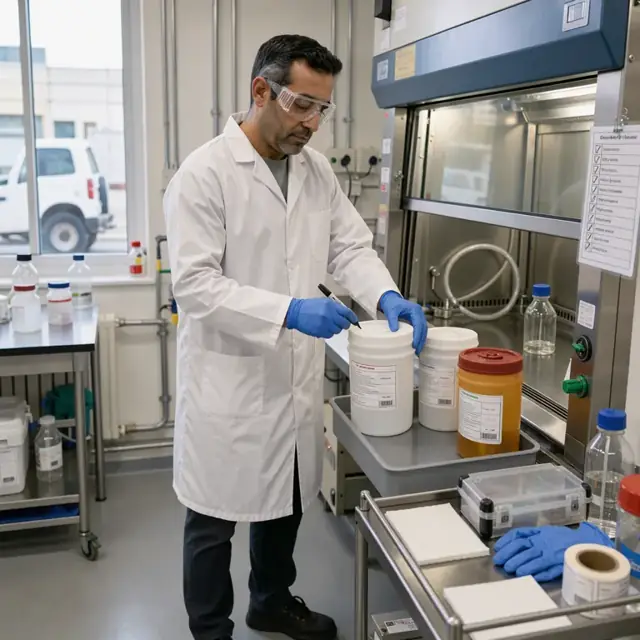
Safety and Compliance Clerk
Maintain chemical inventories, generate risk assessments and track all lab safety and equipment records.
Works in: Ambitious Tasks, Ambitious Sheets, Ambitious Docs · Workflows: Safety, hazard and permit tracking
Automates
- Creates material-specific risk assessment forms
- Maintains chemical and waste tracking logs
- Reminds team of calibration and training due dates
- Drafts updated standard operating procedures
Stops for a person
- The lab safety officer confirms all hazard assessments
- People perform physical inspections and sign off on records
- The bot never certifies compliance

Intellectual Property Documenter
Draft invention disclosures, organize supporting data and prepare provisional patent materials for review.
Works in: Ambitious Docs, Ambitious Tasks, Contract Analyzer · Workflows: Invention disclosure and IP documentation
Automates
- Extracts novel results from experimental records
- Populates disclosure templates with data and descriptions
- Organizes prior-art notes and supporting files
- Drafts outlines for provisional patent applications
Stops for a person
- The lead scientist reviews and approves every disclosure
- Legal counsel or technology transfer office decides next steps
- All documents are sent only after human approval
Workflows
Project request intake and scoping
Starts when: A sponsor or internal team submits a new nanotechnology project request
- Capture objectives, target specifications, timeline and budget constraints
- Review against lab capabilities, equipment availability and safety requirements
- Draft a project charter with defined milestones and success criteria
- Route the charter for scientific and compliance review
- Create a master project task with linked folders for data and protocols
Watch for: Technical parameters must be recorded exactly as requested without assumption; High-risk nanomaterials require early hazard review before any work begins
Experimental design and scheduling
Starts when: Approved project charter or phase gate
- Break the project into synthesis, characterization and iteration runs
- Select appropriate instruments and define exact process parameters
- Book cleanroom time, gloveboxes and analytical tools on the shared calendar
- Generate step-by-step run protocols with safety checkpoints
- Link each run to the project master task
Watch for: Instrument availability and calibration status limit daily throughput; Sequence of runs must avoid cross-contamination between incompatible materials
Nanomaterial and chemical procurement
Starts when: Finalized experimental plan and weekly inventory check
- Explode each protocol into a list of required precursors, substrates and reagents
- Check against current lab stock and expiration dates
- Draft purchase orders by supplier for specialty chemicals and nanomaterials
- Track purity grades, lot numbers and certificate-of-analysis files
- Update inventory sheets and flag low-stock or expiring items
Watch for: Many precursors are air- or moisture-sensitive and have short shelf lives; All chemical orders must be reviewed for regulatory and safety compliance
Run execution and data capture
Starts when: Scheduled instrument time and approved protocol
- Load the daily run checklist with exact parameters and safety steps
- Record real-time observations, instrument settings and deviations
- Capture raw data files, micrographs, spectra and measurement logs
- Upload all outputs to the project folder with version control
- Flag any anomalies for immediate scientist review
Watch for: Cleanroom gowning, static control and contamination logs are mandatory; All data must be traceable to the exact run, operator and instrument
Data analysis and reporting
Starts when: Completion of a project phase or milestone
- Compile raw data into structured analysis templates
- Draft summary charts, statistical results and interpretation notes
- Compare outcomes against original target specifications
- Prepare draft milestone report or presentation slides
- Archive all supporting files with clear naming and metadata
Watch for: Statistical methods and error analysis must follow lab standards; Sponsor reports require specific formats and levels of technical detail
Safety, hazard and permit tracking
Starts when: Before every new material or weekly lab audit
- Generate material-specific safety data sheet review and nanomaterial risk assessment
- Maintain chemical inventory, waste manifests and disposal records
- Track lab equipment calibration, certification and inspection due dates
- Draft standard operating procedures for new processes
- Remind team of upcoming training or license renewals
Watch for: Nanomaterial exposure controls and waste handling rules are material-dependent; The lead scientist confirms which regulatory requirements apply to each project
Invention disclosure and IP documentation
Starts when: Identification of novel results or on a quarterly cadence
- Draft invention disclosure forms from experimental outcomes
- Organize supporting data, protocols and prior-art notes
- Prepare provisional patent outlines for review
- Update lab notebook summaries and invention log
- Route completed disclosures to the designated approver
Watch for: All disclosures must be reviewed and approved before external sharing; Confidentiality and export-control considerations apply to many projects
Bot templates for this industry
Source: U.S. Small Business Administration, Office of Size Standards, Table of Small Business Size Standards Matched to North American Industry Classification System Codes, version March 2023 (effective 2023-03-17, NAICS 2022). Size standards are shown for reference only.