

Research and Development in Biotechnology (except Nanobiotechnology)
Biotechnology R&D labs receive sponsor or internal proposals, convert them into detailed experimental protocols, schedule shared lab equipment and staff, manage temperature-sensitive reagent inventories with expiration tracking, process samples under chain-of-custody rules, run analysis pipelines on resulting data, maintain contemporaneous lab notebooks, and prepare grant progress reports and regulatory paperwork. Specialists turn incoming proposals into approved protocol templates, build weekly equipment schedules that respect calibrations and certifications, generate purchasing lists from protocols while subtracting current stock, create processing checklists upon sample arrival, organize raw data into traceable analysis outputs, compile notebook entries from all linked records, and track renewal dates for licenses and approvals. The principal investigator confirms every scientific decision, data interpretation, notebook entry and submission.
What makes this business different
- Detailed experimental protocols with exact reagents, concentrations, temperatures, incubation times, replicates and controls that must be followed without deviation
- Sample and data traceability from receipt through processing, storage, analysis and archiving with chain-of-custody records
- Shared high-value equipment scheduling such as sequencers, flow cytometers, incubators and biosafety cabinets to avoid conflicts and respect maintenance windows
- Inventory of temperature-sensitive reagents, enzymes, antibodies, cell lines and consumables with lot numbers, expiration dates and reorder points
- Regulatory and institutional paperwork including biosafety protocols, IACUC or IRB approvals, chemical inventories, training records and grant progress reports
- Data organization, version control and analysis pipelines that feed into notebooks, figures, reports and potential intellectual property filings
- Fiscal grant cycles, renewal deadlines and reporting cadences set by funding agencies or sponsors that drive seasonal workload peaks
Specialist bots

Protocol Designer
Convert incoming research proposals into detailed, executable experimental protocols with controls, resource estimates and compliance flags.
Works in: Ambitious Docs, Ambitious Tasks, Process Optimizer · Workflows: Proposal and experimental design intake
Automates
- Extracts objectives, methods and deliverables from proposals
- Builds step-by-step protocol templates listing reagents, concentrations, equipment, incubation conditions and controls
- Estimates required time, staff and materials
- Checks consistency against lab standards and existing approved methods
- Drafts a design summary document
Stops for a person
- The principal investigator approves every experimental design and all scientific choices
- Biosafety level, IACUC or IRB classifications are confirmed by qualified personnel before work begins

Lab Scheduler
Build conflict-free weekly schedules for shared instruments, workspaces, maintenance and certified staff.
Works in: Ambitious Tasks, Ambitious Sheets · Workflows: Lab equipment and staff scheduling
Automates
- Maps required equipment, biosafety level and personnel to each approved protocol
- Checks against existing bookings, calibration calendars and staff certification records
- Builds optimized daily and weekly schedules with setup and cleanup buffers
- Assigns staff whose training matches the required procedures
- Sends schedule notifications to the team
Stops for a person
- The lab manager reviews and adjusts the schedule before it is published
- Staff confirm their availability and current certifications prior to each assigned session
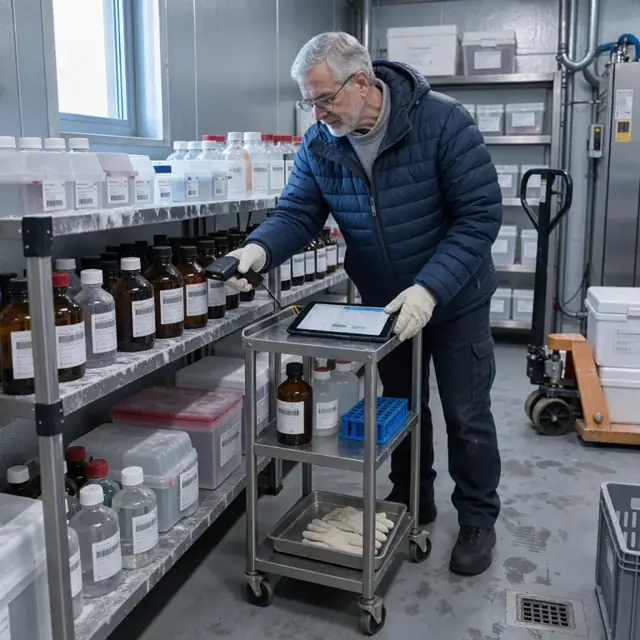
Reagent and Inventory Manager
Turn approved protocols into accurate purchasing lists while tracking reagent stock, lot numbers and expiration dates.
Works in: Ambitious Sheets, Ambitious Tasks, Ambitious Docs · Workflows: Reagent and supply purchasing and inventory
Automates
- Calculates required quantities and catalog numbers from protocol templates
- Subtracts current usable stock while accounting for expiration dates and minimum par levels
- Generates vendor-specific order lists with hazardous-material declarations
- Flags items needing cold-chain or special shipping
- Updates inventory records with new lot, receipt and expiration data upon delivery
Stops for a person
- The principal investigator or lab manager approves all purchases before ordering
- Hazardous material orders and safety data sheets are reviewed by qualified staff
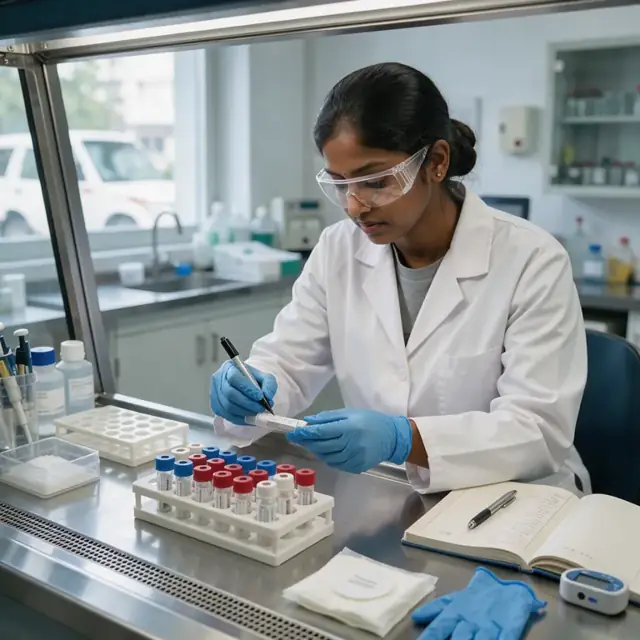
Sample Processing Coordinator
Log incoming samples with chain-of-custody records, generate processing checklists and route completed materials.
Works in: Ambitious Tasks, Ambitious Docs, Ambitious Sheets · Workflows: Sample intake, processing and chain of custody
Automates
- Creates unique identifiers and logs receipt, condition and custody transfer details
- Assigns storage location and environmental conditions per the approved protocol
- Builds customized processing checklists from protocol templates including all controls and documentation fields
- Captures real-time execution notes, observations and deviations
- Routes processed samples or generated data to the next workflow
Stops for a person
- Trained technicians perform all physical sample handling and confirm each checklist step
- Any protocol deviation is reviewed, documented and approved by the principal investigator
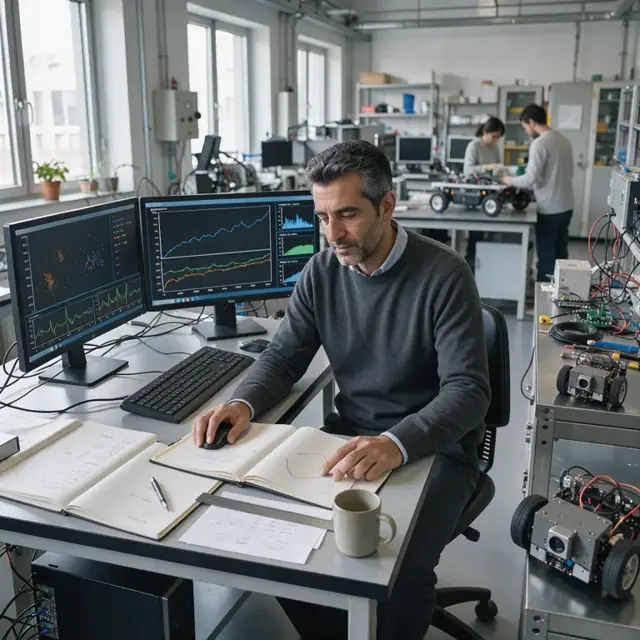
Data Analysis Specialist
Ingest raw instrument data, execute analysis pipelines and prepare traceable quality-controlled summaries and figures.
Works in: Ambitious Docs, Ambitious Sheets, Process Optimizer · Workflows: Data collection and analysis pipeline
Automates
- Organizes raw data files with metadata linking each to its sample, protocol and instrument run
- Executes standardized analysis scripts with documented parameters
- Generates statistical summaries, quality-control metrics and publication-ready figures
- Flags outliers, failed runs or quality issues for review
- Prepares an analysis summary package for notebook entry
Stops for a person
- The principal investigator reviews all data interpretations, statistical choices and final figures
- Conclusions drawn from the analysis are approved before inclusion in reports or notebooks
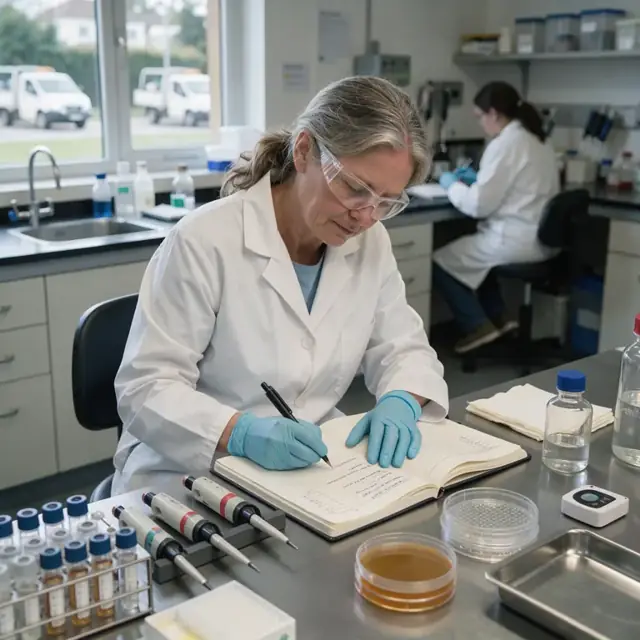
Laboratory Notebook Clerk
Compile protocol execution records, observations and data links into structured, contemporaneous notebook entries.
Works in: Ambitious Docs, Ambitious Tasks, Ambitious Sheets · Workflows: Laboratory notebook and record keeping
Automates
- Pulls protocol templates, execution notes, instrument logs and analysis outputs into notebook templates
- Formats entries with timestamps, references and required fields for reproducibility
- Attaches supporting files such as spectra, photographs or raw data exports
- Routes draft entries for scientist review and principal investigator signature
- Archives signed records with access controls
Stops for a person
- The scientist who performed the work reviews and corrects every entry
- The principal investigator reviews and signs off on all notebook pages before archiving

Compliance and Grant Coordinator
Track regulatory and grant deadlines, generate checklists and draft reports and submission packages for approval.
Works in: Ambitious Tasks, Ambitious Docs, Ambitious Sheets · Workflows: Regulatory, safety and grant compliance paperwork
Automates
- Monitors expiration dates for permits, licenses, IACUC approvals, training records and insurance
- Builds period-specific compliance and maintenance checklists from institutional templates
- Compiles experimental results, notebook excerpts and metrics into draft progress reports
- Assembles complete submission packages with all required forms and attachments
- Flags upcoming deadlines and routes every draft for review
Stops for a person
- The principal investigator confirms all scientific content and interpretations before any submission
- Qualified staff review regulatory filings and people confirm that all owner-specified requirements are met
Workflows
Proposal and experimental design intake
Starts when: A new research proposal, grant application or sponsor request arrives via email or portal
- Extract objectives, required methods, timelines, deliverables, biosafety level and ethical considerations
- Draft an experimental design outline including controls, replicates, endpoints and resource estimates
- Check against current lab capacity, available equipment, staff certifications and existing approved protocols
- Create a project task with linked protocol templates, sample requirements and data-analysis plan
- Draft a summary document for principal investigator review and approval
Watch for: Scientific accuracy of methods and controls must match the principal investigator's standards; Biosafety level, IACUC or IRB requirements must be identified and flagged early
Lab equipment and staff scheduling
Starts when: Weekly or immediately after an experiment is approved
- List all required instruments, hoods, workspaces and personnel for upcoming protocols
- Check current bookings, calibration schedules, maintenance windows and staff certifications
- Build a conflict-free schedule with buffers for setup, cleanup, quality control and unexpected delays
- Assign staff whose certifications match the required equipment and biosafety level
- Notify the team of the finalized schedule and any changes
Watch for: Equipment downtime for calibration, certification or service must be strictly respected; Staff training and certification records must be current for each assigned instrument or procedure
Reagent and supply purchasing and inventory
Starts when: After experimental design approval and on a monthly cadence
- Explode approved protocols into a complete list of reagents, consumables, catalog numbers and quantities
- Subtract current inventory while accounting for lot numbers, expiration dates and minimum stock levels
- Draft purchase orders by vendor including hazardous material declarations and shipping requirements
- Track receipt, inspect cold-chain integrity and update inventory records with new lot and expiration data
- Flag low-stock or expiring items and maintain safety data sheet files
Watch for: Many reagents require cold chain, dry ice or hazardous shipping and have short shelf lives; Chemical inventory and safety data sheets must be kept current for regulatory review
Sample intake, processing and chain of custody
Starts when: When physical samples, cell lines or biological materials arrive at the lab
- Log receipt with chain-of-custody details, unique barcode identifiers, condition on arrival and storage requirements
- Assign storage location and environmental conditions according to the approved protocol
- Generate a step-by-step processing checklist that includes all required reagents, equipment, controls and documentation fields
- Record every execution step, observation, deviation or equipment reading in real time
- Route processed samples, aliquots or generated data to the next assigned workflow
Watch for: Samples often require immediate processing or specific freezing or refrigeration conditions upon arrival; Contamination controls, sterile technique and exact incubation parameters cannot be skipped or approximated
Data collection and analysis pipeline
Starts when: When raw data files are generated from instruments or completed assays
- Ingest raw data into version-controlled project folders with metadata linking each file to its sample and protocol
- Run standardized analysis pipelines or scripts with documented parameters
- Generate summary statistics, quality-control metrics, publication-style figures and outlier reports
- Flag failed runs, anomalous results or quality issues for immediate review
- Prepare an analysis summary package for notebook entry and principal investigator review
Watch for: All data and analysis parameters must remain traceable to specific samples, reagents and experimental conditions; Analysis settings and software versions must be documented exactly as executed
Laboratory notebook and record keeping
Starts when: Daily during active experiments and at the close of each protocol
- Compile protocol execution details, real-time observations, instrument readings and linked data files
- Draft structured notebook entries that include methods, results, calculations and raw data references
- Attach instrument logs, photographs, spectra or raw files as supporting records
- Route the draft notebook pages for scientist review and principal investigator signature
- Archive signed entries with timestamps and access controls
Watch for: Notebook entries must be contemporaneous, sufficiently detailed for reproducibility and follow institutional format rules; Intellectual property, confidentiality and data-integrity rules apply to all records
Regulatory, safety and grant compliance paperwork
Starts when: On fixed reporting cadences, renewal dates or before any submission
- Generate biosafety, chemical inventory, training and equipment maintenance checklists for the current period
- Track IACUC, IRB, export-control, biosafety and other permit or license expiration dates
- Compile experimental data, notebook excerpts, progress metrics and figures into draft reports
- Assemble complete submission packages with all required forms, attachments and checklists
- Route every draft report, filing or renewal package for final review
Watch for: Deadlines are set by external agencies, institutions or sponsors and cannot be missed; The principal investigator must confirm all scientific content before any document leaves the lab
Bot templates for this industry
Source: U.S. Small Business Administration, Office of Size Standards, Table of Small Business Size Standards Matched to North American Industry Classification System Codes, version March 2023 (effective 2023-03-17, NAICS 2022). Size standards are shown for reference only.