

Research and Development in the Physical, Engineering, and Life Sciences (except Nanotechnology and Biotechnology) 11
These labs and contract research organizations run sponsored projects and internal studies across physics, materials, mechanical engineering, environmental testing and applied life sciences. For a lab that accepts custom test protocols, runs instrumented experiments on set schedules and delivers data packages, the specialists turn sponsor messages into scoped project tasks, raw instrument data into cleaned datasets and reports, and project timelines into equipment bookings and supply reorders. Experimental methods, data interpretation and safety protocols stay with the principal investigator.
What makes this business different
- Custom project scopes with sponsor-defined test parameters, acceptance criteria and reporting formats that must be followed exactly
- Scheduled test windows on shared instruments with advance booking and calibration requirements
- Multi-step experimental protocols that generate large volumes of time-series or sample data requiring chain-of-custody tracking
- Consumables, reagents and specialized materials purchased against project budgets with strict expiration and lot traceability
- Data packages that include raw files, processed results, uncertainty calculations and audit trails for sponsor review
- Lab safety logs, chemical inventories, equipment maintenance records and institutional review or permit documentation
- Repeat sponsors who request follow-on studies or variations on prior protocols
Specialist bots
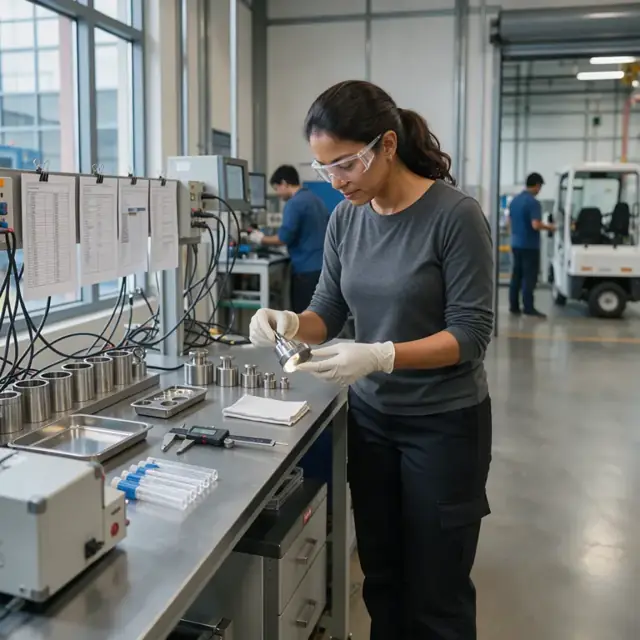
Project Intake Specialist
Turn every sponsor request into a scoped project folder with statement of work and task list.
Works in: Ambitious Tasks, Ambitious Docs, Contract Analyzer · Workflows: Project intake and scoping
Automates
- Reads incoming sponsor messages and forms
- Extracts objectives, parameters, acceptance criteria and deliverables
- Checks against lab instruments, calibration status and methods
- Drafts the statement of work and task structure
- Prepares contract signature templates
Stops for a person
- The principal investigator reviews and approves scope, methods and pricing
- The owner sends the final proposal and obtains signatures
- Any off-menu test methods are approved by the principal investigator
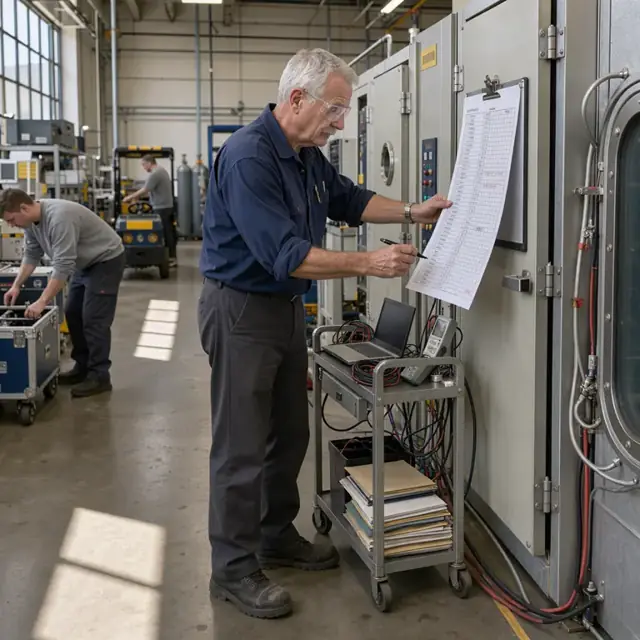
Lab Scheduler
Convert approved project plans into instrument bookings, operator assignments and weekly lab schedules.
Works in: Ambitious Tasks, Ambitious Sheets · Workflows: Experiment scheduling and resource booking
Automates
- Maps test steps to available instruments and required calibration windows
- Books time slots with warm-up and cooldown buffers
- Assigns preparation, execution and analysis tasks
- Generates the weekly lab schedule
- Flags scheduling conflicts or cross-contamination risks
Stops for a person
- The principal investigator adjusts priorities when conflicts arise
- Lab staff confirm the final schedule before the week begins

Data Collection Clerk
Capture raw instrument data with full metadata and maintain chain-of-custody records for each test.
Works in: Ambitious Tasks, Ambitious Docs, Ambitious Sheets · Workflows: Data collection and chain-of-custody
Automates
- Pulls data from instrument output files with timestamps
- Attaches environmental condition logs and operator notes
- Creates and updates digital chain-of-custody entries
- Flags any protocol deviations for review
Stops for a person
- The operator confirms sample identity and run conditions before starting
- The principal investigator reviews all deviation flags
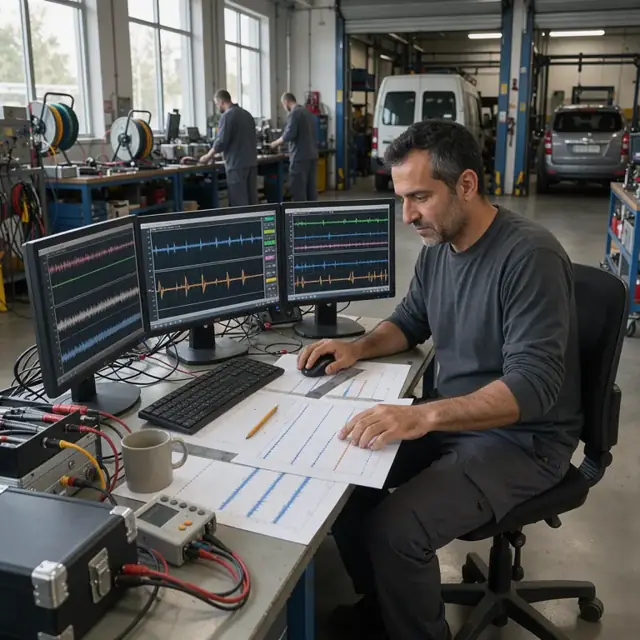
Data Processing Analyst
Process raw data according to sponsor methods, generate summary results and draft technical reports.
Works in: Ambitious Docs, Ambitious Sheets, Process Optimizer · Workflows: Data processing and reporting
Automates
- Imports raw files into analysis templates
- Runs required calculations, statistical methods and uncertainty propagation
- Creates tables, charts, outlier notes and audit trail
- Assembles draft report sections in the sponsor format
- Checks output against the statement of work requirements
Stops for a person
- The principal investigator interprets results and writes conclusions
- A person approves the final report before delivery to the sponsor

Lab Inventory Manager
Turn experiment protocols into material lists, track stock and draft purchase requests with correct project codes.
Works in: Ambitious Sheets, Ambitious Tasks, Ambitious Docs · Workflows: Lab supplies procurement and inventory
Automates
- Explodes protocols into reagent and consumable needs
- Subtracts current inventory levels and checks par, lot and expiration
- Drafts purchase lists by supplier and project charge code
- Monitors expiration dates and lot traceability
- Logs chemical usage and waste
Stops for a person
- The owner places all purchases and approves spending
- The principal investigator approves any material substitutions that affect test results

Equipment Maintenance Coordinator
Track calibration and maintenance schedules for all lab instruments and generate service reminders.
Works in: Ambitious Tasks, Ambitious Sheets, Ambitious Docs · Workflows: Equipment maintenance and calibration tracking
Automates
- Creates maintenance and calibration checklists per instrument
- Records results, next due dates and tolerance status
- Flags instruments unavailable until resolved
- Drafts service requests and updates lab schedules
Stops for a person
- Technicians perform the actual maintenance and calibration
- The principal investigator confirms instrument readiness before critical tests

Compliance Documentation Clerk
Maintain safety checklists, hazard assessments and project documentation packages checked against the requirements the owner confirms.
Works in: Ambitious Tasks, Ambitious Docs, Ambitious Sheets · Workflows: Safety and compliance documentation
Automates
- Generates daily safety and handling checklists
- Compiles experiment hazard reviews and risk assessments
- Tracks renewal dates for permits, authorizations and training records
- Assembles final project documentation folders with all required records
Stops for a person
- The principal investigator confirms which safety and regulatory requirements apply to each experiment
- All submissions to sponsors or authorities are reviewed and sent by people
- The bot never certifies compliance
Workflows
Project intake and scoping
Starts when: A sponsor sends a request by email, form or direct message
- Capture the test objectives, parameters, sample requirements, acceptance criteria and deliverables
- Check the request against available instruments, methods, calibration status and lab capacity
- Draft a statement of work with milestones, schedule, budget and reporting format
- Record contract status and required signatures
- Create a project task folder with all sponsor specs and chain-of-custody templates
Watch for: Exact match between requested acceptance criteria and lab capabilities; Changes to scope require sponsor and principal investigator sign-off
Experiment scheduling and resource booking
Starts when: After project approval or on weekly cadence
- Map each test protocol step to instrument availability, operator time and required calibration
- Book equipment slots including warm-up, calibration, run and cooldown windows
- Assign sample preparation, execution, data collection and analysis tasks
- Flag any special environmental controls, safety requirements or cross-contamination restrictions
- Generate and distribute the weekly lab schedule
Watch for: Instruments have fixed warm-up, calibration and cooldown times; Certain tests cannot share the same day due to cross-contamination risks
Data collection and chain-of-custody
Starts when: Start of each scheduled test run
- Verify sample identity against the test plan and load prepared samples into instruments
- Capture raw data files with timestamps, metadata and environmental conditions
- Record operator notes, instrument settings and any observed anomalies
- Create and update digital chain-of-custody records from receipt through every handling step
- Flag and log any deviations from the approved protocol for immediate review
Watch for: Data must be timestamped and uneditable once collected; Sample identity and handling logs must match the test plan exactly
Data processing and reporting
Starts when: After each test run or on project milestone
- Import raw files into sponsor-specified analysis templates
- Apply required calculations, statistical methods and uncertainty propagation
- Generate summary tables, charts, outlier notes and audit trail
- Assemble draft data package with methods, results, raw data appendix and sponsor format
- Check the package against the statement of work and acceptance criteria
Watch for: Different sponsors require different reporting formats and file structures; All calculations must be traceable to raw data
Lab supplies procurement and inventory
Starts when: Weekly, at project start and when stock falls below par
- Explode active project protocols into full lists of consumables, reagents and materials
- Subtract current stock levels and account for minimum par, lot and expiration requirements
- Draft purchase requests by supplier with correct project charge codes
- Track lot numbers, certificates of analysis and expiration dates for critical items
- Log usage, waste and disposal for hazardous or controlled materials
Watch for: Many reagents have short shelf lives and must be ordered just in time; Chemical inventory must be updated before any new experiment begins
Equipment maintenance and calibration tracking
Starts when: On manufacturer intervals, after use, before critical tests and on equipment alerts
- Generate maintenance, calibration and verification checklists for each instrument
- Record results, next due dates and any out-of-tolerance conditions
- Flag instruments unavailable for scheduled tests until resolved
- Draft service requests for in-house or vendor technicians
- Update equipment status across all active project schedules
Watch for: Certain tests require documented proof of recent calibration; Maintenance logs must be kept for the life of the project
Safety and compliance documentation
Starts when: Daily, at project milestones, project close and on renewal dates
- Generate daily safety, chemical handling and hazard communication checklists
- Compile experiment-specific safety reviews, risk assessments and incident logs
- Track renewal dates for lab permits, chemical authorizations, radiation licenses and training records
- Assemble final project documentation package including all required audit trails
- Archive records according to the retention schedule confirmed by the principal investigator
Watch for: Local, state and federal requirements differ by hazard type and location; The principal investigator confirms which authorizations apply to each project
Bot templates for this industry
Source: U.S. Small Business Administration, Office of Size Standards, Table of Small Business Size Standards Matched to North American Industry Classification System Codes, version March 2023 (effective 2023-03-17, NAICS 2022). Size standards are shown for reference only.