

Research and Development in the Social Sciences and Humanities
Firms that conduct research and development in the social sciences and humanities take project-based contracts or grants, design studies, collect data through interviews surveys and archives, analyze findings and produce reports white papers or publications. For a firm that runs custom qualitative and mixed-methods studies on topics such as education policy community development or cultural heritage the specialists turn inquiries into scoped project proposals, raw data into organized datasets and analysis plans, analysis into draft reports and presentations, and track deliverables against contract milestones while maintaining participant consent records and data-security protocols. The principal investigator keeps interpretive judgment and client approvals.
What makes this business different
- Custom project scopes that vary widely by client topic methodology and deliverables
- Grant or contract timelines with fixed milestones for data collection analysis and reporting
- Human-subjects data requiring careful consent tracking interview transcription and anonymization
- Mixed qualitative and quantitative datasets stored and versioned across spreadsheets documents and analysis files
- Literature reviews and archival research that must cite current sources and avoid duplication
- Deliverable packages including reports slide decks datasets and summaries tailored to academic government or nonprofit clients
- Renewal or follow-on work that depends on maintaining positive client relationships and clear documentation of methods
- Institutional review board protocols, data use agreements and sponsor-specific reporting forms that must be tracked per project
Specialist bots

Project Intake Coordinator
Convert every new research inquiry into a clearly scoped project task with required background materials.
Works in: Ambitious Tasks, Ambitious Docs, Email Buckets · Workflows: Project inquiry and scoping
Automates
- Reads incoming inquiry messages and extracts key elements
- Drafts initial scope, budget and timeline
- Checks team availability against proposed dates
- Creates the master project task
- Attaches any provided background documents
Stops for a person
- The principal investigator approves final scope and pricing
- Any nonstandard methods are reviewed before proposal drafting

Proposal and Contract Drafter
Assemble complete proposals, grants and contract documents that match sponsor requirements.
Works in: Ambitious Docs, Ambitious Sheets, Contract Analyzer · Workflows: Proposal and contract preparation
Automates
- Pulls relevant literature summaries into the background section
- Builds methodology and budget templates
- Checks proposal language against funder terminology
- Compiles required forms and reference lists
- Produces submission-ready proposal files
Stops for a person
- The principal investigator writes interpretive sections and approves all scientific claims
- A person submits the final proposal or signs the contract

Data Collection and Participant Coordinator
Manage participant recruitment, consent tracking and scheduling of interviews and surveys.
Works in: Ambitious Tasks, Ambitious Sheets, Ambitious Docs · Workflows: Data collection and participant management
Automates
- Generates recruitment messages and screening forms
- Tracks consent status and interview schedules
- Logs response rates in a master sheet
- Creates transcription task lists
- Flags any withdrawal or data-removal requests
Stops for a person
- The principal investigator reviews and approves all recruitment materials
- Interviewers handle live participant interactions and obtain consent
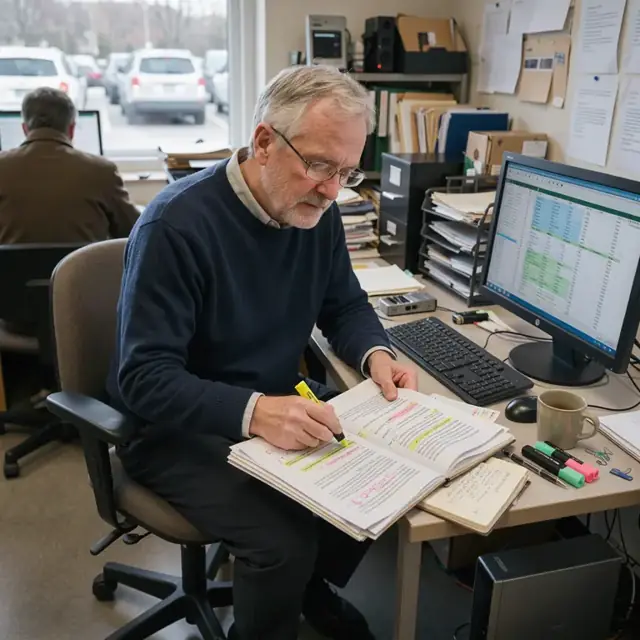
Data Organization and Analysis Setup Specialist
Clean, organize and prepare qualitative and quantitative datasets for analysis while maintaining version control.
Works in: Ambitious Sheets, Ambitious Docs, Ambitious Tasks · Workflows: Data organization and analysis setup
Automates
- Imports and cleans incoming data files
- Applies consistent qualitative coding structure
- Generates initial summary statistics and thematic memos
- Creates versioned file naming system
- Builds audit trail of all data transformations
Stops for a person
- The principal investigator interprets final themes and statistical results
- Coding decisions are reviewed and refined by research team members

Report and Deliverable Drafter
Turn analysis results into client-ready reports, presentations and supporting documentation.
Works in: Ambitious Docs, Ambitious Sheets, Ambitious Tasks · Workflows: Report drafting and deliverable production
Automates
- Drafts report sections with findings and methodology
- Creates charts, tables and slide visuals
- Formats citations to required style
- Assembles complete deliverable packages
- Generates anonymized dataset summaries
Stops for a person
- The principal investigator writes all interpretive conclusions and recommendations
- Clients receive deliverables only after principal approval
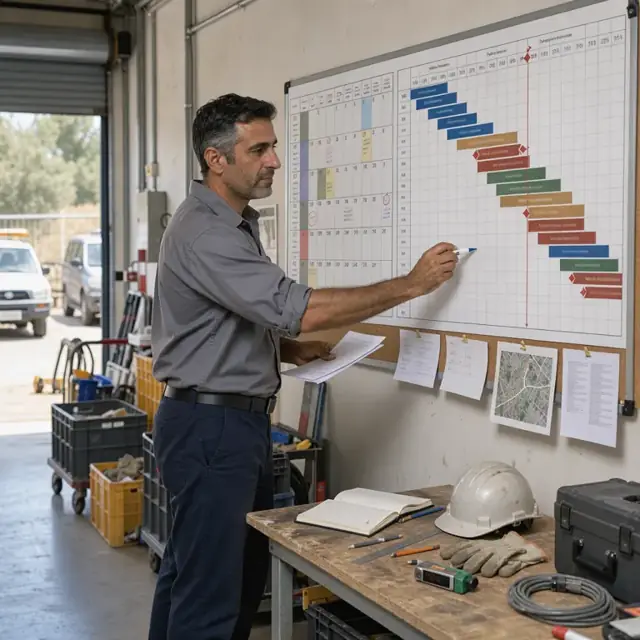
Project Milestone and Contract Tracker
Monitor timelines, budgets and contract milestones and draft status updates.
Works in: Ambitious Tasks, Ambitious Sheets, Process Optimizer · Workflows: Milestone and contract tracking
Automates
- Compares progress against original timeline and budget
- Flags upcoming deliverables and invoicing points
- Tracks hours by project phase
- Drafts client update summaries
- Archives completed deliverables with metadata
Stops for a person
- The principal investigator approves all client communications and invoices
- Scope changes are negotiated and documented by the lead researcher
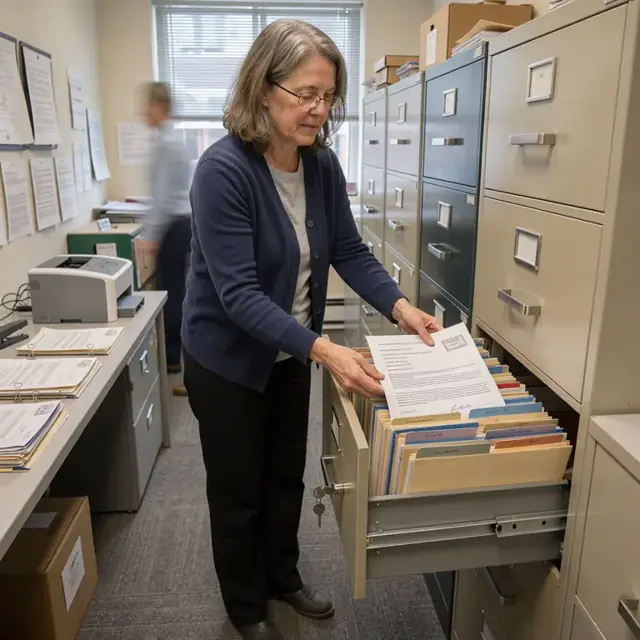
Ethics and Compliance Coordinator
Maintain ethics checklists, approval expirations and data-handling records for each project.
Works in: Ambitious Tasks, Ambitious Docs, Ambitious Sheets · Workflows: Ethics and administrative compliance
Automates
- Generates project-specific ethics checklists
- Tracks approval and training expiration dates
- Logs data storage and destruction commitments
- Maintains records of any protocol changes
- Flags upcoming renewal or close-out tasks
Stops for a person
- The principal investigator confirms which ethics and sponsor rules apply
- All submissions to review boards and corrective actions are completed by people
- The bot never certifies compliance

Literature and Archive Researcher
Build and maintain citation libraries and synthesize literature and archival sources for proposals and reports.
Works in: Ambitious Docs, Ambitious Sheets, Ambitious Tasks · Workflows: Literature and archival research
Automates
- Searches and pulls new publications into the library
- Extracts key findings into summary sheets
- Identifies gaps and synthesizes review memos
- Formats reference lists to required styles
- Alerts when new sources appear on the topic
Stops for a person
- The principal investigator selects which sources to emphasize and writes the final synthesis
- All citations are verified by a researcher before inclusion in any deliverable
Workflows
Project inquiry and scoping
Starts when: A potential client or funder sends an inquiry by email or form
- Capture the research topic, research questions, target population, methods and expected deliverables
- Check against current team expertise, capacity and any competing commitments
- Draft a scope of work, budget and timeline for review
- Record funding source, grant number or contract identifier
- Create a project task with all background materials attached
Watch for: Scope must reflect realistic timelines for ethics review and data collection; Budget must separate personnel, data collection and dissemination costs
Proposal and contract preparation
Starts when: Client requests a formal proposal or grant deadline approaches
- Assemble literature review summary and gap analysis
- Draft detailed methodology section including sampling, recruitment and analysis plan
- Build budget spreadsheet with hourly rates and direct expenses
- Compile required forms, certifications and past-performance references
- Produce final proposal document for submission
Watch for: Proposal language must match exact funder or client terminology; Budget must align with allowable cost rules set by the sponsor
Data collection and participant management
Starts when: Project reaches data-collection phase
- Generate recruitment materials and screening questions
- Track participant consent forms and withdrawal requests
- Schedule and record interviews, focus groups or survey distributions
- Transcribe and de-identify incoming qualitative data
- Log response rates and sample characteristics in a master tracking sheet
Watch for: Consent documentation must be stored separately from de-identified data; Recruitment must stay within approved institutional review parameters
Data organization and analysis setup
Starts when: Data collection reaches sufficient volume
- Import and clean survey or interview data into analysis sheets
- Code qualitative transcripts using a consistent scheme
- Draft an analysis memo that links data to research questions
- Run initial descriptive statistics or thematic summaries
- Version all files and create an audit trail of changes
Watch for: Qualitative coding must remain consistent across multiple team members; Data files must be stored with clear naming and access controls
Report drafting and deliverable production
Starts when: Analysis phase completes or milestone date arrives
- Draft full report or white paper with executive summary, findings and recommendations
- Create presentation slides highlighting key visuals and quotes
- Compile supporting dataset documentation and methodology appendix
- Format citations and references to required style guide
- Assemble final deliverable package for client review
Watch for: Visuals must protect participant anonymity; Language must be tailored to the client's intended audience
Milestone and contract tracking
Starts when: Weekly and at each contract milestone
- Update project status against original timeline and budget
- Flag upcoming deliverables and invoice points
- Track hours charged to the project
- Draft client update memos
- Archive completed deliverables with version numbers
Watch for: Invoices can only be sent after client approves deliverables; Changes in scope require written amendment documentation
Ethics and administrative compliance
Starts when: Before data collection and on renewal dates
- Generate ethics checklist covering consent, data storage and dissemination
- Track institutional review board or ethics committee approval expiration
- Maintain current project-specific training records for team members
- Log data destruction or archiving commitments at project close
- Keep records of any protocol deviations and corrective actions
Watch for: Requirements differ by funding agency and institutional policies; The principal investigator confirms which rules apply to each project
Literature and archival research
Starts when: At project start and before analysis
- Search academic databases and archival sources for relevant studies
- Extract and organize key findings into a citation library
- Identify gaps and synthesize into a review memo
- Update the library when new publications appear
- Export formatted reference lists for reports and proposals
Watch for: Citations must follow the exact style required by the funder or journal; Avoid duplication of prior work already funded by the same sponsor
Bot templates for this industry
Source: U.S. Small Business Administration, Office of Size Standards, Table of Small Business Size Standards Matched to North American Industry Classification System Codes, version March 2023 (effective 2023-03-17, NAICS 2022). Size standards are shown for reference only.