

All Other Professional, Scientific and Technical Services
Firms in this industry deliver specialized technical, scientific or professional services on a project or contract basis that do not fit neatly into other categories. For a firm that performs environmental site assessments, technical writing, forensic document examination and custom lab testing for clients, the specialists turn client inquiries into scoped proposals, proposals into project schedules and resource plans, field or lab data into verified reports, and reports into client deliverables with proper chain-of-custody and quality-control documentation. Technical standards, methodology choices and final interpretations stay with the licensed or certified professionals.
What makes this business different
- Client-specific scopes of work that must be clearly defined before any work begins
- Project-based billing with retainers, progress payments and final invoices tied to deliverables
- Maintenance of detailed records for quality control, chain of custody and audit trails
- Scheduling of specialized equipment, field teams and third-party labs around client deadlines
- Compliance with industry-specific standards for sampling, testing, reporting and record retention
- Management of subcontractors, calibration certificates and proficiency testing documentation
- Repeat clients who require consistent methodology across multiple projects or years
Specialist bots
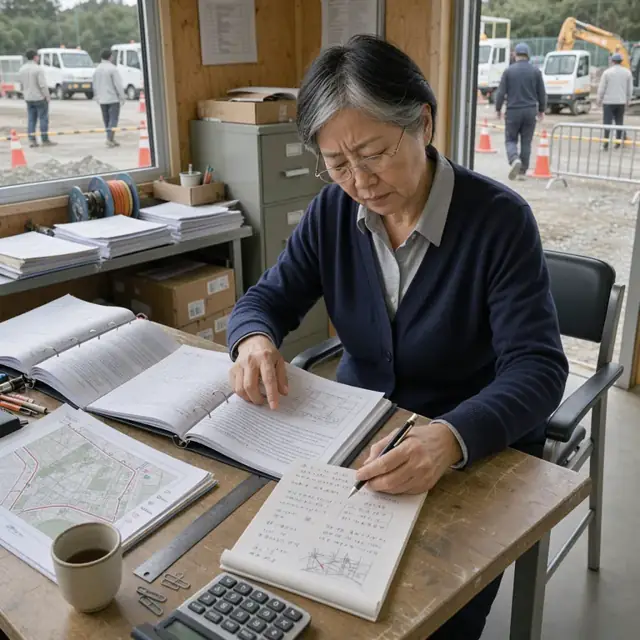
Proposal Scoper
Convert every client inquiry into a clearly scoped proposal with technical requirements and pricing.
Works in: Ambitious Docs, Ambitious Tasks, Contract Analyzer · Workflows: Lead qualification and proposal scoping
Automates
- Reads incoming inquiries and extracts key technical needs
- Checks against service offerings and current capacity
- Drafts scope of work, deliverables and assumptions
- Builds pricing structure from standard rates
- Creates the proposal task
Stops for a person
- The technical lead reviews and approves all assumptions and methods
- A person sends the final proposal and negotiates terms

Project Coordinator
Turn signed contracts into detailed project schedules that respect holding times, certifications and lab availability.
Works in: Ambitious Tasks, Ambitious Sheets · Workflows: Project scheduling and resource allocation
Automates
- Breaks scope into phases with dependencies
- Assigns equipment, personnel and lab slots
- Tracks permit and access requirements
- Builds milestone timeline visible to the team
Stops for a person
- The project manager confirms the final schedule
- Changes to holding times or test methods require technical lead approval

Field Data Clerk
Generate field checklists, record observations and maintain chain-of-custody documentation.
Works in: Ambitious Tasks, Ambitious Docs, Ambitious Sheets · Workflows: Field data collection and chain-of-custody
Automates
- Creates sampling or inspection checklists from the approved scope
- Formats chain-of-custody forms with unique sample IDs
- Organizes photos and field notes by sample location
- Flags deviations for immediate attention
Stops for a person
- Field staff verify all recorded observations and measurements
- The sampling professional confirms chain-of-custody transfers
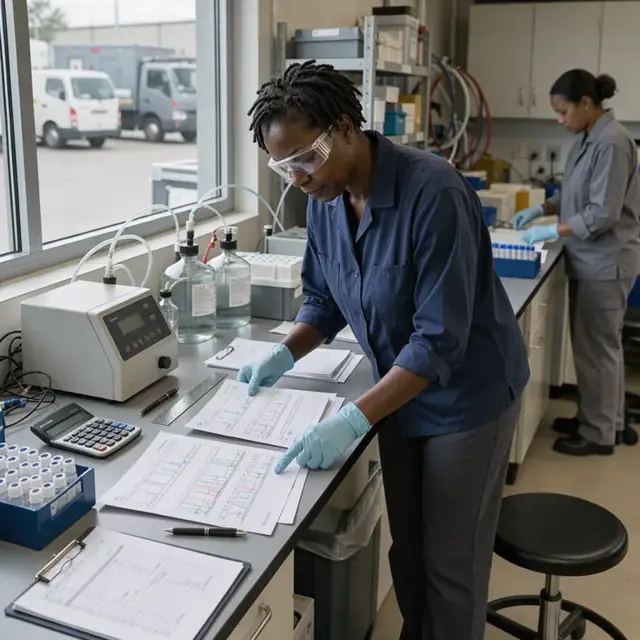
Laboratory Data Manager
Track incoming lab results, verify they meet quality requirements and assemble data packages.
Works in: Ambitious Docs, Ambitious Sheets, Ambitious Tasks · Workflows: Laboratory coordination and data intake
Automates
- Matches lab reports to project samples
- Checks reported analytes and detection limits
- Logs quality control exceptions
- Assembles raw data and lab reports
Stops for a person
- The data validator reviews all quality control failures
- A qualified professional approves data usability

Report Drafter
Assemble analytical results, tables and figures into a draft technical report using standard templates.
Works in: Ambitious Docs, Ambitious Sheets, Process Optimizer · Workflows: Report preparation and technical review
Automates
- Populates report template with data tables and figures
- Runs quality control checklist items that can be automated
- Cross-checks numbers between raw data and report text
- Drafts standard sections and executive summary
Stops for a person
- The technical lead performs final interpretation and conclusions
- A person approves the complete draft before client delivery
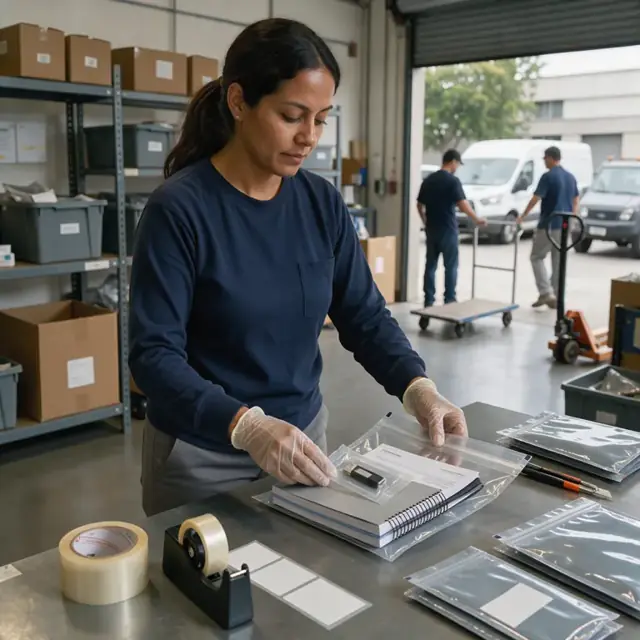
Client Delivery Specialist
Package approved reports, supporting data and invoices for secure client delivery and project closeout.
Works in: Ambitious Docs, Ambitious Tasks, Email Buckets · Workflows: Client delivery and invoicing
Automates
- Assembles final report and data files
- Drafts transmittal letter summarizing deliverables
- Generates milestone-based invoice
- Creates project closure checklist
Stops for a person
- The project manager approves all materials before sending
- A person handles any client questions or requests for revisions

Quality Assurance Clerk
Run project closeout checklists, maintain calibration and certification records and organize archival files.
Works in: Ambitious Tasks, Ambitious Sheets, Ambitious Docs · Workflows: Quality assurance and record management
Automates
- Generates final quality control checklists
- Tracks calibration and proficiency test due dates
- Organizes records for required retention periods
- Captures standardized lessons learned
Stops for a person
- The quality manager confirms that all records are complete
- People review and approve any corrective actions
Workflows
Lead qualification and proposal scoping
Starts when: A potential client sends an inquiry by email, form or phone message
- Extract project type, location, deadlines and technical requirements
- Check against current capacity, required certifications and available equipment
- Draft a scope of work, deliverables list and pricing structure
- Create a proposal task with technical assumptions flagged for review
- Send draft proposal for approval
Watch for: Technical requirements must match the exact standards or methods the client requires; Assumptions about site access or sample types must be stated clearly
Project scheduling and resource allocation
Starts when: Signed contract or approved proposal
- Break the scope into phases with required equipment, personnel and lab time
- Assign dates for field work, lab analysis, data review and reporting
- Coordinate with subcontractors and third-party labs
- Flag any permit or access requirements
- Build a master project timeline with milestones
Watch for: Certain tests have strict holding times that cannot be missed; Equipment calibration and personnel certifications must be current before work starts
Field data collection and chain-of-custody
Starts when: Scheduled field mobilization date
- Generate field sampling or inspection checklist based on the approved scope
- Record sample IDs, locations, times, conditions and observations
- Initiate chain-of-custody forms with all transfers documented
- Upload photos, instrument readings and field notes to the project folder
- Flag any deviations from the plan for immediate review
Watch for: Samples must be preserved and transported within required holding times; All field instruments must show current calibration before use
Laboratory coordination and data intake
Starts when: Samples arrive at lab or data is received from third parties
- Track incoming analytical results against the quality assurance plan
- Verify that all required analytes and detection limits were reported
- Log any quality control failures or deviations
- Assemble raw data files and lab reports in the project repository
- Create a data validation task for the next review step
Watch for: Data must be checked against client-specified methods and reporting limits; Electronic data deliverables must match the exact format requested
Report preparation and technical review
Starts when: All data and supporting documentation are assembled
- Compile results, tables, figures and supporting documentation into a draft report
- Apply the firm's standard report template and quality control checklist
- Cross-check calculations, interpretations and conclusions against raw data
- Draft executive summary and recommendations
- Package the draft for technical review
Watch for: All interpretations and opinions must be reviewed by the qualified professional; Sensitive or litigation-related reports require additional confidentiality controls
Client delivery and invoicing
Starts when: Draft report receives final internal approval
- Assemble final report, data packages and supporting records
- Draft a transmittal letter or email summarizing deliverables
- Generate the final invoice tied to milestone completion
- Upload to client portal or send by secure method
- Create a project closure task to archive records
Watch for: Delivery method must meet any client-specified security or format requirements; Final payment is often contingent on acceptance of the report
Quality assurance and record management
Starts when: Project closeout and on a recurring schedule
- Run a final quality control checklist against the project file
- Verify all calibrations, proficiency tests and personnel certifications are current
- Archive records for the required retention period
- Update equipment maintenance and calibration logs
- Capture lessons learned for future proposals
Watch for: Retention periods vary by project type and client contract; Audit-ready organization of all supporting documentation is required
Bot templates for this industry
Source: U.S. Small Business Administration, Office of Size Standards, Table of Small Business Size Standards Matched to North American Industry Classification System Codes, version March 2023 (effective 2023-03-17, NAICS 2022). Size standards are shown for reference only.