

All Other Support Services
All other support services firms handle outsourced operational tasks such as trade-show booth setup and teardown, on-site inventory handling, permit coordination and post-event reporting. For a firm that manages recurring trade-show booth setup, breakdown, inventory counts and local permit paperwork, the specialists turn client requests into confirmed scopes, scopes into crew and equipment schedules, schedules into dispatch routes and safety checklists, inventory logs into reorder lists and maintenance plans, and completion reports into billing and client reorders. Local rules, crew certifications, equipment condition and client-specific requirements stay with the owner and crew leads.
What makes this business different
- Client-specific requirements that vary by event type, venue and city including exact booth dimensions, power needs, branding elements and access restrictions
- Recurring and one-off jobs with tight deadlines for setup before show hours and teardown after close
- Management of rented, owned and consumable equipment that must be tracked by serial number where required, maintained and replenished between jobs
- Dispatch of crews and vehicles to multiple sites per day with accurate arrival windows and load-out times
- Venue permits, insurance certificates, union labor rules, safety documentation and method statements that must be ready at each location
- Post-event inventory counts, damage reports, temperature or condition logs and client feedback that drive reorders and billing
- Seasonal spikes around major trade shows, conferences and holidays that require scaling crews and equipment without over-committing owned assets
Specialist bots

Request Intake Coordinator
Turn every client request into a confirmed scope of work with all specifications and required documents attached.
Works in: Ambitious Tasks, Ambitious Docs, Email Buckets · Workflows: Client request intake and scoping
Automates
- Reads incoming requests from multiple channels
- Extracts dates, venue details, booth dimensions, power needs, branding and special instructions
- Checks basic crew and equipment availability and drafts the scope document
- Attaches relevant insurance and permit templates and creates the job task
Stops for a person
- The owner reviews and approves all scopes before sending to client
- Any non-standard requirements are escalated to the crew lead
- A person handles negotiation of terms, pricing and signatures

Crew and Equipment Scheduler
Assign crew members and equipment to each job and build timed daily schedules with all supporting documents.
Works in: Ambitious Sheets, Ambitious Tasks · Workflows: Crew and equipment scheduling
Automates
- Matches crew skills, certifications and union status to job requirements
- Reserves equipment, vehicles and consumables from current inventory
- Creates hour-by-hour timelines including load-out, travel, setup and teardown
- Generates dispatch packets with maps, checklists, permit copies and contact sheets
Stops for a person
- The crew lead confirms availability and accepts assignments
- The owner approves any overtime, additional rentals or schedule changes
- Union or venue restrictions are verified by a person before finalizing
Permit and Compliance Clerk
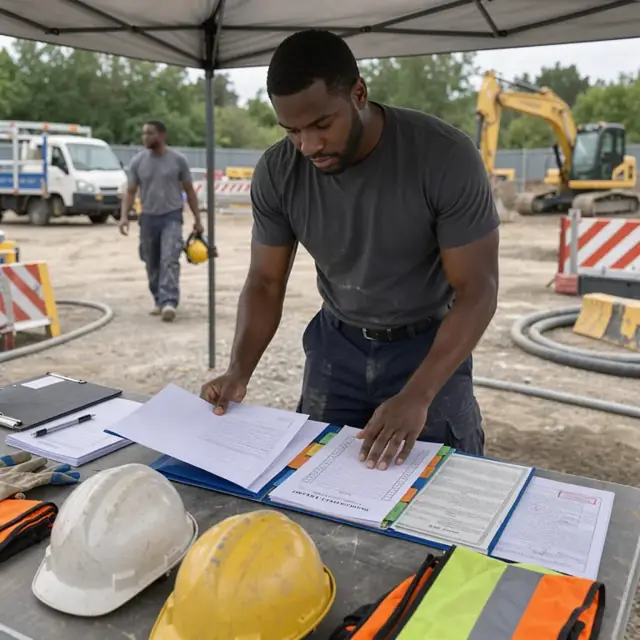
Prepare and track all permits, certificates, safety documentation and method statements required for each job.
Works in: Ambitious Docs, Ambitious Tasks, Ambitious Sheets · Workflows: Permit and compliance preparation
Automates
- Lists required documents by venue and event type
- Drafts permit applications and renewal forms using stored company data
- Tracks expiration dates for licenses, insurance, crew certifications and vehicles
- Compiles complete digital packets of safety data sheets and training records
Stops for a person
- The owner confirms which local rules, venue requirements and union obligations apply
- People submit applications, handle inspections and sign off on safety logs
- The bot never certifies compliance

Inventory and Maintenance Manager
Track equipment condition, serial numbers, consumable levels and schedule maintenance after each job.
Works in: Ambitious Sheets, Ambitious Tasks, Process Optimizer · Workflows: Equipment inventory and maintenance
Automates
- Records returned items, flags damage and logs serial numbers
- Calculates consumables used and drafts reorder lists by supplier
- Creates preventive maintenance schedules for vehicles, tools and rigging
- Logs items for client billing, replacement or insurance claims
Stops for a person
- The owner approves all purchases, repair spending and insurance claims
- Technicians perform and sign off on all maintenance and repair work
- Damage claims are reviewed by a person before client billing

On-Site Dispatch Coordinator
Monitor active jobs, capture real-time updates from crews, produce completion reports and optimize daily routes.
Works in: Ambitious Tasks, Ambitious Docs · Workflows: On-site execution and reporting, Multi-site routing and logistics
Automates
- Sends final checklists, maps, permit copies and safety notes to crew
- Logs timestamps, photos and any on-site changes or additional requests
- Optimizes multi-site routes considering travel, load times and venue restrictions
- Drafts job completion reports with supporting photos and inventory counts
Stops for a person
- Crew leads confirm all entries, handle safety incidents and obtain client signatures
- The owner reviews reports before they are sent to clients
- Any additional charges or change orders require client approval by a person

Billing and Client Reorder Specialist
Compile costs, draft invoices with supporting documentation and manage client feedback and reorder outreach.
Works in: Ambitious Sheets, Ambitious Docs, Email Buckets · Workflows: Billing, feedback and reorder handling
Automates
- Aggregates time, material, equipment usage and change-order charges
- Drafts itemized invoices with attached reports, photos and signed change orders
- Prepares satisfaction surveys and reorder or recurring-contract prompts
- Updates client preference and venue notes for future jobs
Stops for a person
- The owner approves every invoice and client message before sending
- A person negotiates any disputed charges or final adjustments
- All client communications require owner approval
Contract and Scope Analyzer
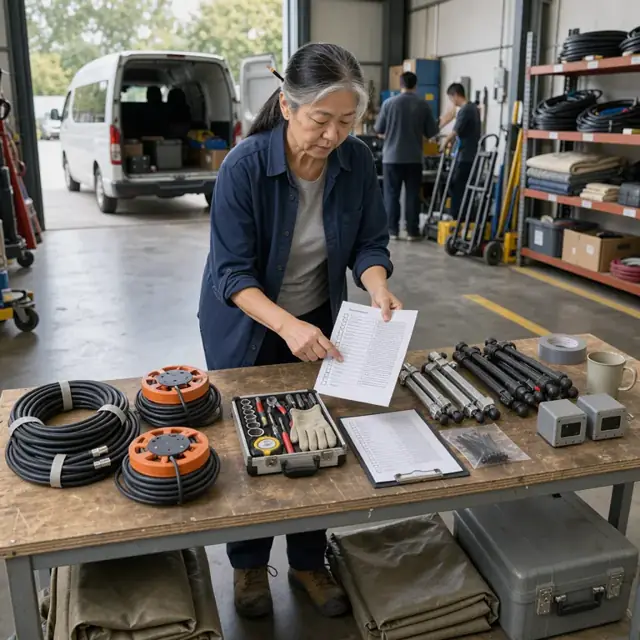
Review client agreements and scopes to highlight deliverables, deadlines, exclusions and all permit or safety obligations.
Works in: Contract Analyzer, Ambitious Docs, Ambitious Tasks · Workflows: Client request intake and scoping, Permit and compliance preparation
Automates
- Highlights key deliverables, deadlines, exclusions and insurance obligations
- Extracts permit, safety and union requirements from contracts
- Compares new requests against master templates and previous jobs
- Flags inconsistencies, missing documents or unclear requirements for review
Stops for a person
- The owner reads and signs every contract and scope document
- Legal or insurance questions are escalated to a person
- People confirm that all obligations have been met before work begins
Workflows
Client request intake and scoping
Starts when: A client submits a request by email, form or portal message
- Capture event type, dates, venue details, booth dimensions, power needs, branding elements and special instructions
- Check against available crew certifications, equipment inventory and known venue rules
- Draft a scope of work with line-item tasks, quantities, exclusions and required documentation
- Attach any required insurance certificate templates or safety method statements
- Create a job task with the client-ready spec for review
Watch for: Venue-specific rules must be captured exactly and never assumed; Requests near show dates may require immediate crew confirmation
Crew and equipment scheduling
Starts when: Scope is approved or on a weekly cadence
- Assign available crew members to each task based on skills, certifications and union status
- Reserve trucks, tools, booths, rigging and consumables from current inventory
- Build timed schedule showing load-out, travel, setup, on-site hours, teardown and return
- Flag any union, permitting, safety training or inspection needs per venue
- Generate daily dispatch packets with maps, checklists, contact sheets and permit copies
Watch for: Crew certifications and union status vary by city and venue; Equipment must be service-ready and available before dispatch; Overtime and additional rentals require owner sign-off
Permit and compliance preparation
Starts when: Seven days before each job and on renewal dates
- List all required venue permits, fire marshal approvals, insurance certificates and union letters
- Draft applications or renewal forms using current company and client data
- Track expiration dates for licenses, insurance, crew certifications and vehicle registrations
- Compile digital packet of safety data sheets, method statements and training records
- Flag any on-site inspections that must occur and add to the crew checklist
Watch for: Rules differ by municipality, venue operator and event organizer; The owner confirms which documents apply to each job; People submit applications and handle any inspections
Equipment inventory and maintenance
Starts when: After each job and monthly
- Record returned equipment condition, serial numbers and count consumables used
- Schedule repairs, cleaning or calibration for damaged or out-of-spec items
- Update stock levels and draft reorder list for consumables, rentals and replacement parts
- Generate preventive maintenance schedule for vehicles, rigging and power tools
- Log any lost, damaged or missing items for client billing or insurance claims
Watch for: High-value items require serial number tracking; Consumables such as tape, hardware, cleaning supplies and rigging hardware run out between large events; The owner approves all purchases and repair spending
On-site execution and reporting
Starts when: Morning of each scheduled job
- Send crew the final checklist, venue map, client contacts, permit copies and safety notes
- Log arrival, setup completion, any issues, photos at key milestones and teardown finish times
- Record any additional client requests made on site and note equipment condition
- Capture before, during and after photos plus any safety or incident logs
- Draft a job completion report for internal review and client handoff
Watch for: Real-time adjustments for venue changes or client requests; Safety incidents or equipment failures must be documented immediately by the crew lead; All on-site change orders require client representative signature
Billing, feedback and reorder handling
Starts when: After job completion and on a quarterly cadence
- Compile time, materials, equipment usage, change orders and any additional costs
- Draft invoice with supporting photos, reports, signed change orders and inventory counts
- Send satisfaction survey and request for future work or recurring contracts
- Update client preferences, special requirements and venue notes for next engagement
- Flag high-value or recurring clients for proactive outreach before peak seasons
Watch for: Change orders during the event must be approved by the client representative; All client communications and invoices require owner approval before sending
Multi-site routing and logistics
Starts when: Daily before dispatch
- Group jobs by geographic area, time window and vehicle size requirements
- Optimize sequence considering load times, travel, setup duration and dock access
- Account for venue loading dock limits, parking restrictions and downtown access windows
- Draft real-time status updates for clients and crew
- Record actual versus planned times, issues and route notes for future scheduling
Watch for: Downtown venues often have tight access windows and parking limits; Weather or traffic events require rapid rerouting by the crew lead; Vehicle size and load restrictions must be respected at every site
Bot templates for this industry
- All Other Support Services (7 bots)
Source: U.S. Small Business Administration, Office of Size Standards, Table of Small Business Size Standards Matched to North American Industry Classification System Codes, version March 2023 (effective 2023-03-17, NAICS 2022). Size standards are shown for reference only.