

Hazardous Waste Treatment and Disposal
Hazardous waste treatment and disposal facilities accept, characterize, treat, stabilize and dispose of regulated waste streams from industrial, laboratory and remediation sites. For a plant that receives drummed and bulk liquids and solids, the specialists turn incoming manifests and lab results into approved waste profiles, profiles into a treatment and disposal schedule, and the schedule into manifests, chain-of-custody forms and regulatory reports. Treatment recipes, acceptance criteria and permit conditions stay with the facility manager and chemists.
What makes this business different
- Detailed waste characterization including chemical composition, physical state, hazards and analytical results that must match exactly to the approved profile
- Regulatory manifests, land disposal restriction forms and chain-of-custody documentation that must accompany every load
- Treatment sequencing such as neutralization, stabilization, solidification or incineration based on waste codes and acceptance criteria
- Permitted storage limits by waste type, container count and capacity with daily inventory reconciliation
- Inspections, training records, emission monitoring and permit renewal paperwork required by multiple agencies
- Segregation rules for incompatible wastes, spill response and emergency equipment checks
- Repeat industrial generators who ship on schedules and require monthly or quarterly summary reports
Specialist bots

Waste Profile Reviewer
Turn generator submissions and lab data into approved, facility-ready waste profiles.
Works in: Ambitious Tasks, Ambitious Docs, Contract Analyzer · Workflows: Waste intake and profiling
Automates
- Reads incoming profile packages and analytical reports
- Checks composition and codes against acceptance criteria
- Populates profile templates with verified data
- Drafts manifests and chain-of-custody forms
- Creates the intake and review task
Stops for a person
- The chemist or facility manager approves every new or revised profile
- Any variance from acceptance criteria is escalated for decision
- A person signs and submits all regulatory manifests

Treatment Scheduler
Convert approved profiles into daily treatment schedules and batch records.
Works in: Ambitious Tasks, Ambitious Sheets · Workflows: Treatment and disposal scheduling
Automates
- Groups wastes by compatible treatment method
- Builds the sequenced daily schedule within unit capacities
- Calculates required reagents and process parameters
- Generates batch records and monitoring templates
Stops for a person
- The operations manager adjusts or approves the final schedule
- Chemists confirm treatment recipes and additive quantities
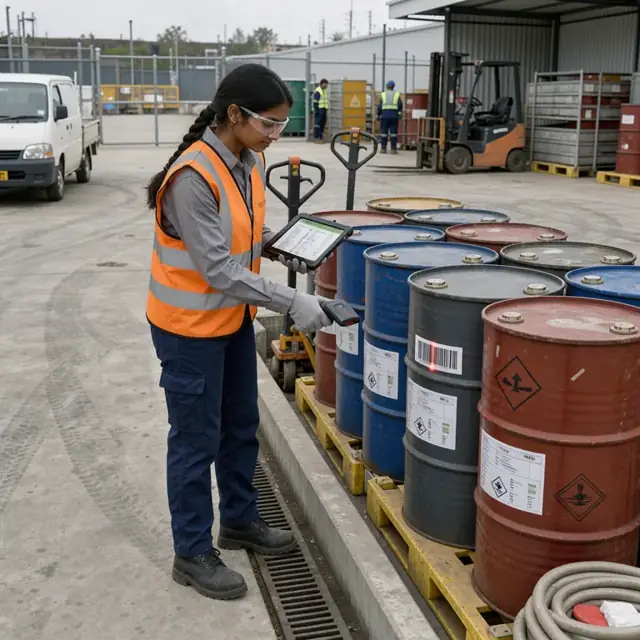
Manifest and Compliance Clerk
Prepare, reconcile and organize all manifests, LDR forms and regulatory documentation.
Works in: Ambitious Docs, Ambitious Tasks, Ambitious Sheets · Workflows: Manifest and regulatory documentation
Automates
- Completes manifest fields from profile data
- Generates land disposal restriction forms
- Reconciles returned manifests
- Organizes chain-of-custody and analytical packets
Stops for a person
- All signatures and submissions are performed by authorized personnel
- The facility manager reviews discrepancy reports before filing

Storage and Inventory Manager
Track all containers in storage, reconcile against permitted limits and flag issues.
Works in: Ambitious Sheets, Ambitious Tasks, Process Optimizer · Workflows: Storage and inventory reconciliation
Automates
- Logs receipts and movements by profile and location
- Monitors capacity against permit limits
- Reconciles physical counts with records
- Alerts on approaching storage time limits
Stops for a person
- The operations team performs and confirms physical inventory counts
- Any over-limit condition is corrected by facility staff

Permit and Monitoring Coordinator
Maintain inspection checklists, compile monitoring data and track permit deadlines.
Works in: Ambitious Tasks, Ambitious Sheets, Ambitious Docs · Workflows: Permit, inspection and monitoring compliance
Automates
- Generates daily inspection and equipment checklists
- Compiles data for emission and groundwater reports
- Tracks training and calibration due dates
- Drafts periodic regulatory report templates
Stops for a person
- The facility manager confirms which permit conditions apply
- All submitted reports and responses to agencies are reviewed and signed by people

Generator Reporting Specialist
Compile disposition data and draft monthly reports and certificates for generators.
Works in: Ambitious Sheets, Ambitious Docs, Email Buckets · Workflows: Generator reporting and follow-up
Automates
- Aggregates volumes treated and disposed by generator
- Populates monthly summary reports
- Prepares certificates of disposal
- Drafts profile renewal reminders
Stops for a person
- The facility manager reviews and approves every report before sending
- All financial or billing data attached to reports is confirmed by the owner
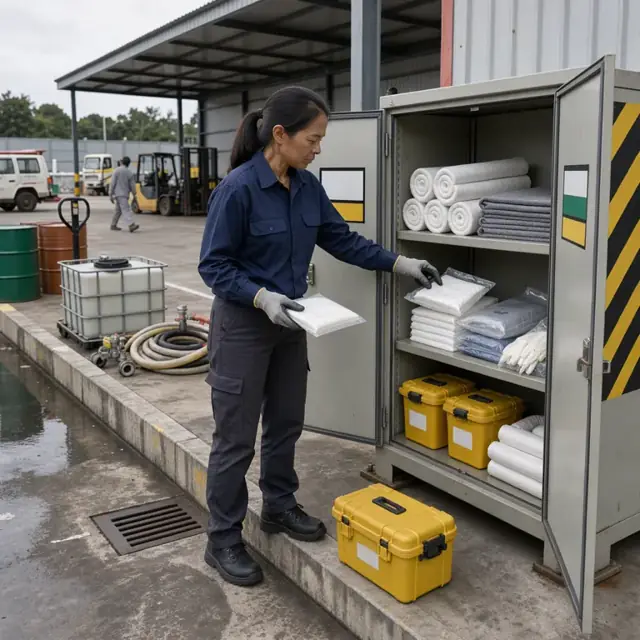
Emergency Preparedness Coordinator
Maintain contingency plans, log incidents and track emergency equipment readiness.
Works in: Ambitious Tasks, Ambitious Docs, Ambitious Sheets · Workflows: Spill and emergency preparedness
Automates
- Generates quarterly equipment inspection checklists
- Logs incident details into report templates
- Tracks corrective action items
- Updates sections of the contingency plan
Stops for a person
- All incident notifications and agency reports are handled by the facility manager
- The owner reviews and approves any plan revisions
Workflows
Waste intake and profiling
Starts when: A generator submits a waste profile, manifest or arrives for unloading
- Capture waste description, generator details, analytical results and waste codes
- Compare against facility acceptance criteria and permitted waste streams
- Draft the waste profile for technical review
- Assign a unique profile number and create the intake task
- Prepare the manifest and chain-of-custody paperwork draft
Watch for: Any discrepancy in analytical results or codes blocks acceptance until resolved; Incompatible wastes cannot share storage or treatment areas
Treatment and disposal scheduling
Starts when: After profile approval and weekly
- Group approved wastes by treatment method and compatible waste codes
- Build a daily treatment schedule respecting permitted capacities and sequencing
- Assign treatment units, reagents and process parameters
- Flag any required pretreatment testing or stabilization additives
- Generate treatment batch records and process monitoring sheets
Watch for: Treatment unit run times and reagent inventories limit daily volume; Certain waste codes require specific order to avoid reactions
Manifest and regulatory documentation
Starts when: Upon receipt, treatment and disposal events
- Complete and reconcile incoming manifests with profile data
- Prepare land disposal restriction notifications and certifications
- Draft uniform hazardous waste manifests for outgoing treated residuals
- Compile chain-of-custody and analytical records
- Organize files for the required retention period
Watch for: Every manifest signature and date must be verified before movement; Discrepancy reports must be filed within required timeframes
Storage and inventory reconciliation
Starts when: Daily and after each movement
- Log incoming containers by profile, quantity and location
- Track storage capacity against permitted limits by hazard class
- Reconcile physical inventory with database after treatment or shipment
- Flag containers approaching holding-time limits
- Generate weekly and monthly storage reports
Watch for: Storage must respect segregation, secondary containment and labeling rules; Over-limit conditions require immediate corrective action
Permit, inspection and monitoring compliance
Starts when: Daily checks, monthly reporting periods and renewal dates
- Generate daily facility inspection checklists for tanks, containers and treatment units
- Compile monitoring data for emissions, effluent and groundwater
- Track training records, equipment calibrations and permit condition deadlines
- Draft monthly, quarterly and annual regulatory reports
- Alert before permit, license or insurance renewals
Watch for: Different agencies require separate reporting formats and frequencies; The facility manager confirms which permit conditions apply to each waste stream
Generator reporting and follow-up
Starts when: End of each month and on shipment completion
- Compile treated and disposed volumes by generator and waste code
- Draft monthly summary reports showing disposition
- Prepare certificates of disposal or destruction
- Flag any reoccurring profile issues for discussion
- Draft renewal notices for annual profile updates
Watch for: Reports must match the generator's own regulatory filings; All customer communications require approval before sending
Spill and emergency preparedness
Starts when: After any incident or on a quarterly review cadence
- Log incident details, waste involved and response actions
- Generate required incident notification forms
- Update emergency equipment inspection records
- Review and revise contingency plan sections
- Track corrective action completion
Watch for: Certain releases trigger immediate agency notification within minutes; All response actions and reports are reviewed by the facility manager
Bot templates for this industry
Source: U.S. Small Business Administration, Office of Size Standards, Table of Small Business Size Standards Matched to North American Industry Classification System Codes, version March 2023 (effective 2023-03-17, NAICS 2022). Size standards are shown for reference only.