

Solid Waste Landfill
Solid waste landfills receive, weigh, screen, compact and bury non-hazardous waste on permitted sites while tracking airspace, leachate, gas, stormwater, daily cover and regulatory paperwork. For an operation that accepts commercial and residential loads during set operating hours, the specialists turn inbound scale tickets into screened records and cell assignments, daily receipts into compaction and cover plans, monitoring readings into work orders and required reports, and fill data into construction sequences. Operating parameters, permit limits, environmental calls and all filings stay with the site manager.
What makes this business different
- Inbound loads that must be screened for prohibited materials before acceptance
- Daily tonnage and volume tracking against permitted airspace and cell capacity
- Compaction ratios, daily cover placement and erosion control after each lift
- Leachate collection, gas extraction and groundwater monitoring with recurring lab samples
- Stormwater runoff permits, NPDES sampling points and erosion-control structures
- Weigh-ticket records, scale calibration logs, waste-origin manifests and annual reports
- Recurring inspections, equipment maintenance schedules and contractor coordination for cell construction
Specialist bots
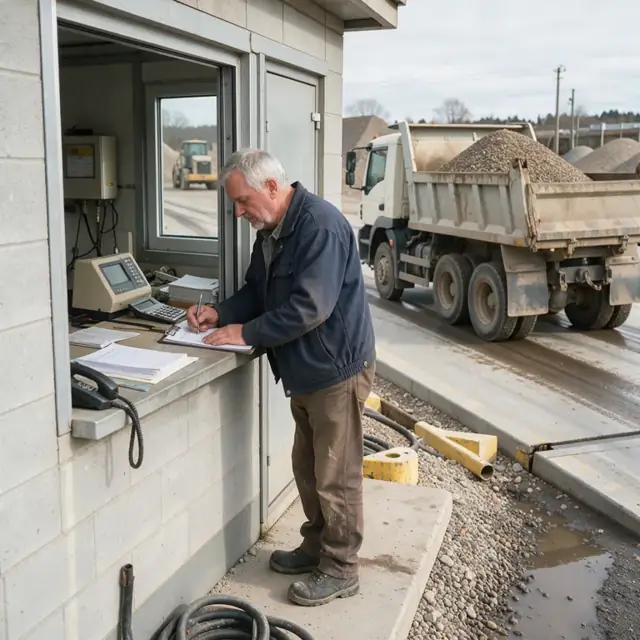
Scale and Inbound Clerk
Capture every inbound load, screen for acceptability and assign to the working face.
Works in: Ambitious Tasks, Ambitious Docs, Ambitious Sheets · Workflows: Inbound load screening and acceptance
Automates
- Reads driver and manifest information
- Checks against prohibited waste list
- Assigns cell or working face
- Generates weigh tickets and receipts
- Flags loads needing further inspection
Stops for a person
- The site manager reviews and approves any rejected loads
- A person physically inspects questionable loads before acceptance

Daily Operations Scheduler
Turn daily tonnage and cell status into a compaction, cover and equipment schedule.
Works in: Ambitious Tasks, Process Optimizer, Ambitious Sheets · Workflows: Daily compaction and cover schedule
Automates
- Calculates remaining airspace and daily cover needs
- Sequences compaction and cover passes
- Assigns equipment to each task
- Logs end-of-day elevations
Stops for a person
- The site manager adjusts the schedule based on weather and equipment availability
- A person verifies cover material placement at close of day

Leachate and Gas Systems Clerk
Record daily leachate, gas well and flare data and generate adjustment work orders.
Works in: Ambitious Tasks, Ambitious Sheets, Ambitious Docs · Workflows: Leachate and landfill gas management
Automates
- Logs pump runtimes and volumes
- Records gas pressures and concentrations
- Creates maintenance tasks for out-of-range readings
- Compiles monthly operating data
Stops for a person
- The site manager reviews all exceedances
- A licensed operator adjusts or repairs gas and leachate systems
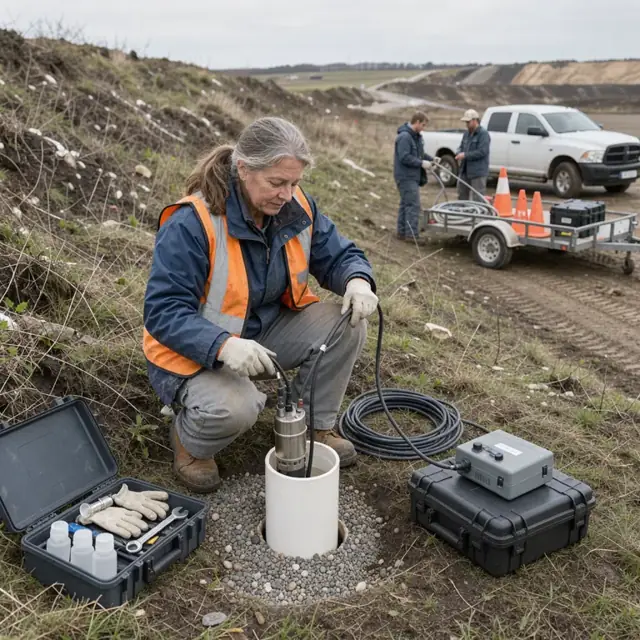
Environmental Sampling Coordinator
Organize groundwater, stormwater and lab sampling events and track results against permit limits.
Works in: Ambitious Tasks, Ambitious Docs, Ambitious Sheets · Workflows: Groundwater and stormwater sampling
Automates
- Builds sampling schedules and chain-of-custody forms
- Records field parameters
- Imports lab results and flags values outside expected ranges
- Maintains sampling point inspection records
Stops for a person
- The site manager confirms which parameters and limits apply
- A certified sampler collects and preserves all field samples
- People review and interpret laboratory reports
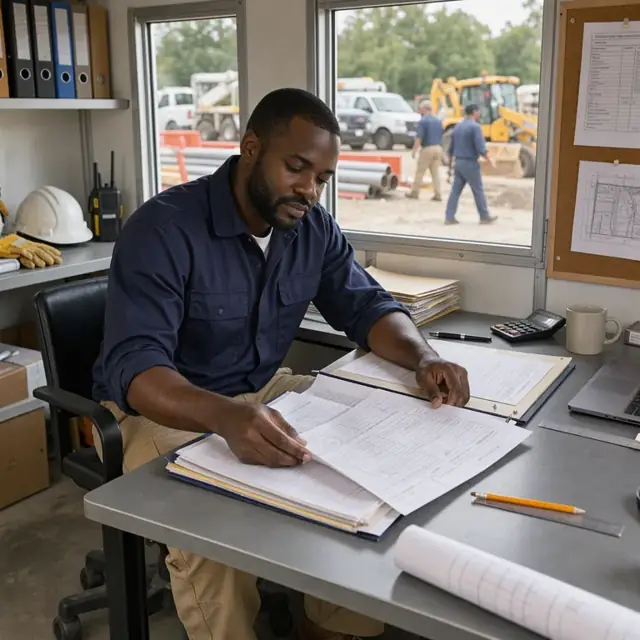
Permit and Reporting Clerk
Assemble monthly, quarterly and annual regulatory reports from operational and monitoring data.
Works in: Ambitious Docs, Ambitious Sheets, Ambitious Tasks · Workflows: Permit tracking and reporting
Automates
- Pulls tonnage, leachate and gas data into report templates
- Tracks permit and inspection due dates
- Organizes corrective action records
- Prepares tables and summaries for annual reports
Stops for a person
- The site manager confirms all data and signs every submission
- A person files reports with the regulatory agency

Equipment Maintenance Coordinator
Track heavy equipment hours, generate preventive maintenance tasks and manage parts inventory.
Works in: Ambitious Tasks, Ambitious Sheets, Process Optimizer · Workflows: Heavy equipment and scale maintenance
Automates
- Calculates service intervals from hour meters
- Creates daily and weekly maintenance tasks
- Tracks parts usage and reorder levels
- Maintains equipment history files
Stops for a person
- Mechanics perform and sign off on all repairs
- The site manager approves major expenditures and downtime
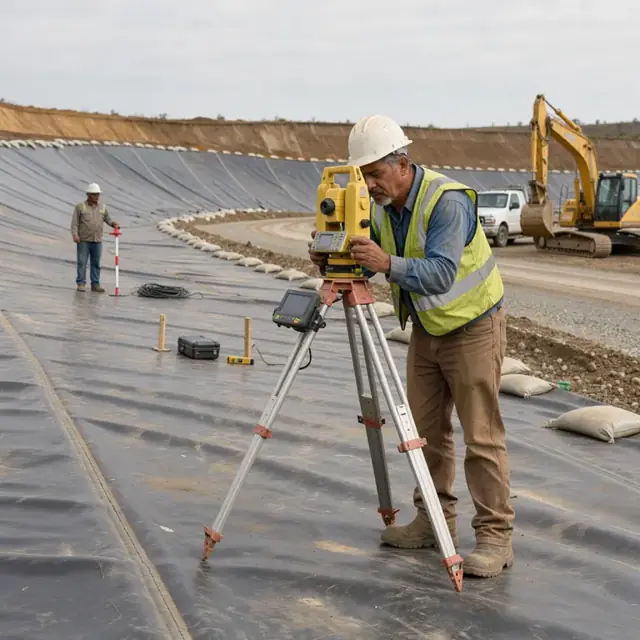
Cell Construction Planner
Compare current fill elevations to design plans and schedule next cell construction activities.
Works in: Ambitious Sheets, Process Optimizer, Ambitious Docs · Workflows: Cell construction and closure planning
Automates
- Tracks airspace used versus engineered grades
- Sequences liner installation and gas system steps
- Coordinates contractor schedules
- Updates closure cost estimates
Stops for a person
- The site manager and engineer approve all construction plans
- A qualified inspector verifies each construction phase before cover
Workflows
Inbound load screening and acceptance
Starts when: A truck arrives at the gate or scale house
- Capture driver, hauler, waste type, origin and load weight from the scale ticket
- Screen manifest and visual inspection notes against the prohibited materials list
- Assign the load to the active cell or working face
- Record the scale ticket and generate the disposal receipt
- Flag any loads needing special handling or rejection
Watch for: Loads must be screened for hazardous, radioactive or special waste before tipping; Scale must be zeroed and calibrated per schedule
Daily compaction and cover schedule
Starts when: Start of each operating day
- Review previous day's tonnage and remaining airspace in the active cell
- Build the day's compaction sequence and equipment assignments
- Calculate daily cover volume and source material needed
- Schedule push, compact, cover and grade passes
- Log end-of-day cell elevation and remaining capacity
Watch for: Daily cover must be applied before end of day or before rain events; Compaction density targets affect airspace consumption rate
Leachate and landfill gas management
Starts when: Daily readings and weekly sampling schedule
- Record leachate levels, pump runtime and volume removed
- Capture gas well pressures, methane percentages and flow rates
- Generate work orders for pump or flare adjustments
- Track condensate and flare maintenance logs
- Compile data for monthly operating reports
Watch for: Leachate storage must stay below permitted freeboard; Gas system must maintain negative pressure and destruction efficiency
Groundwater and stormwater sampling
Starts when: Sampling calendar dates or after rain events
- List required wells, parameters and hold times from the permit
- Create chain-of-custody forms and sampling instructions
- Record field parameters and send samples to the lab
- Import results and flag exceedances for review
- Maintain the sampling-point inspection checklist
Watch for: Sampling must follow exact lab protocols and hold times; Stormwater outfalls require visual and analytical monitoring after qualifying rain events
Permit tracking and reporting
Starts when: Monthly, quarterly and annual due dates
- Pull tonnage, leachate, gas and monitoring data for the period
- Draft monthly tonnage reports and quarterly compliance summaries
- Track renewal dates for site permit, NPDES, air permit and financial assurance
- Organize inspection findings and corrective action logs
- Prepare annual report tables and maps
Watch for: Reporting deadlines are fixed by state and federal rules; The site manager confirms all numbers before filing
Heavy equipment and scale maintenance
Starts when: Hour-meter or calendar schedule
- Pull current equipment hours from logs
- Generate preventive maintenance tasks by asset
- Schedule downtime windows around daily operations
- Track parts inventory and vendor repairs
- Record completed work and update asset files
Watch for: Compactors, dozers and excavators must stay available during operating hours; Scale must be certified annually by a licensed technician
Cell construction and closure planning
Starts when: When a cell reaches final elevation or on capital schedule
- Compare current fill against engineered grades and volumes
- Draft next cell or lift construction sequence
- Coordinate liner, leachate and gas system installation steps
- Track construction contractor progress and change orders
- Prepare closure cost estimates and financial assurance updates
Watch for: Each new cell requires approved engineering plans and inspections; Construction must maintain stormwater diversion and dust control
Bot templates for this industry
- Solid Waste Landfill (7 bots)
Source: U.S. Small Business Administration, Office of Size Standards, Table of Small Business Size Standards Matched to North American Industry Classification System Codes, version March 2023 (effective 2023-03-17, NAICS 2022). Size standards are shown for reference only.