

Other Nonhazardous Waste Treatment and Disposal
Operators of nonhazardous waste treatment and disposal facilities accept bulk loads, construction debris, organics and recyclables, sort and process material, treat what can be stabilized or composted, and dispose of residuals in permitted cells or transfer for further use. For a mid-size regional facility that receives daily truckloads of mixed construction and demolition debris plus green waste, the specialists turn inbound tickets into routing and sorting plans, track material through treatment steps, maintain equipment and regulatory logs, and generate billing from scale weights and manifests. Facility permits, daily inspections, leachate management and diversion reporting stay with the operator.
What makes this business different
- Inbound loads with variable composition that must be inspected, weighed and directed to the correct processing area on arrival
- Daily scale tickets, manifests and chain-of-custody records that must be matched to each customer and load
- Equipment scheduling for excavators, sorters, grinders, screens and compactors with daily pre-use inspections
- Diversion tracking for recycled aggregates, composted organics and landfill residuals to meet local mandates
- Leachate collection, stormwater management and groundwater monitoring wells with regular sampling
- Facility operating permits, stormwater permits, air permits and annual reporting deadlines that differ by jurisdiction
- Repeat commercial haulers who require monthly billing, volume discounts and priority unloading lanes
Specialist bots

Inbound Gate and Scale Specialist
Capture every arriving load, record weights and direct trucks to the correct processing area.
Works in: Ambitious Tasks, Ambitious Docs, Ambitious Sheets · Workflows: Inbound load receipt and inspection
Automates
- Reads digital manifests and driver information
- Calculates net weights from scale readings
- Checks against prohibited materials list
- Assigns tipping location
- Drafts scale ticket and receipt
Stops for a person
- The site operator approves any rejected loads
- A person physically inspects questionable loads
- All scale tickets are reviewed before customer billing

Material Sorting and Processing Planner
Turn daily inbound loads into sequenced equipment assignments and diversion tracking.
Works in: Ambitious Tasks, Process Optimizer, Ambitious Sheets · Workflows: Material sorting and processing
Automates
- Groups loads by material type and required processing
- Sequences excavators, grinders and screens
- Calculates running diversion totals
- Flags loads needing special handling
Stops for a person
- The equipment operator confirms daily sequence
- Diversion numbers are verified by the site manager before reporting

Equipment Maintenance Coordinator
Maintain inspection checklists, service schedules and usage logs for all site equipment.
Works in: Ambitious Tasks, Ambitious Sheets, Ambitious Docs · Workflows: Equipment inspection and maintenance scheduling
Automates
- Generates daily pre-use checklists
- Tracks operating hours and service intervals
- Logs fuel and fluid consumption
- Drafts work orders for repairs
Stops for a person
- Mechanics and operators complete physical inspections
- The site manager approves all repair expenditures
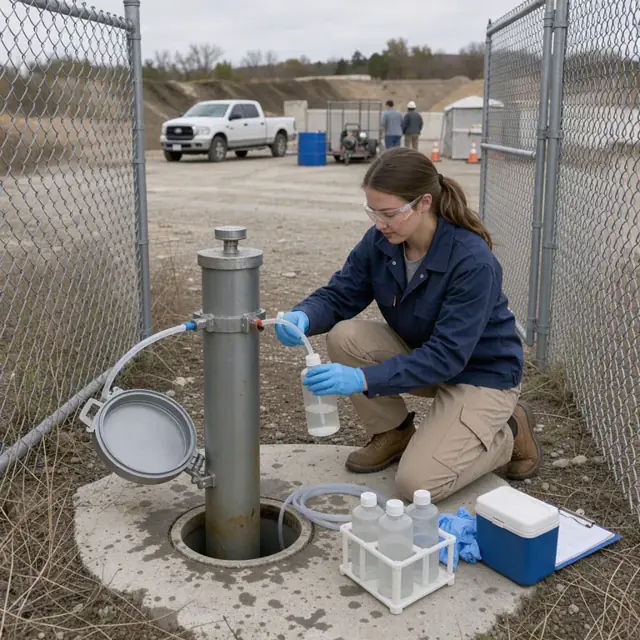
Environmental Compliance Clerk
Run daily environmental checklists, track permit dates and compile required reports.
Works in: Ambitious Tasks, Ambitious Docs, Ambitious Sheets · Workflows: Environmental monitoring and permit compliance
Automates
- Creates leachate and stormwater checklists
- Schedules sampling events
- Tracks permit and reporting deadlines
- Assembles monthly diversion data
Stops for a person
- The facility operator confirms applicable local requirements
- People review and submit all regulatory filings
- Sampling results are interpreted by qualified personnel

Billing and Accounts Specialist
Aggregate scale data, prepare customer invoices and track receivables.
Works in: Ambitious Sheets, Ambitious Docs, Ambitious Tasks · Workflows: Customer billing and accounts
Automates
- Matches tickets to customers
- Applies contract rates and discounts
- Drafts invoices with weight backup
- Flags overdue accounts
Stops for a person
- The owner approves all invoices and rate changes
- A person sends final bills and handles collections

Outbound Transfer Dispatcher
Schedule outgoing loads of processed material and prepare shipping documents.
Works in: Ambitious Tasks, Ambitious Docs, Ambitious Sheets · Workflows: Outbound residual and recycled material transfer
Automates
- Determines destinations based on material type
- Schedules haul trucks
- Prepares manifests and weight records
- Updates stockpile inventories
Stops for a person
- The site manager approves all outgoing shipments
- Drivers confirm load details before departure

Daily Closure and Reporting Clerk
Compile end-of-day weights, diversion rates and site condition reports.
Works in: Ambitious Tasks, Ambitious Sheets, Ambitious Docs · Workflows: Daily site closure and reporting
Automates
- Sums inbound and outbound weights
- Calculates daily diversion rate
- Generates nightly security checklist
- Prepares summary reports
Stops for a person
- The site supervisor reviews and signs off on all daily reports
- Any incidents are documented and escalated by people
Workflows
Inbound load receipt and inspection
Starts when: A truck arrives at the gate with a load
- Capture driver, company, load type and origin from manifest or digital ticket
- Direct the truck to the scale, record gross and tare weights
- Perform visual inspection for prohibited materials and hazards
- Assign the load to the correct processing or disposal area
- Generate the scale ticket and customer receipt for approval
Watch for: Loads containing treated wood, asbestos or other contaminants must be rejected or redirected; Scale calibration and weight accuracy directly affect billing
Material sorting and processing
Starts when: After inbound receipt or on a daily schedule
- Route the load to the designated tipping or staging area
- Sequence equipment use: excavator sorting, grinder, screen or compactor
- Track volume or weight diverted to recycling, composting or disposal
- Flag any loads requiring special treatment such as stabilization
- Update daily material balance and diversion log
Watch for: Weather and inbound mix affect daily processing capacity; Equipment must be cleaned between certain material types to prevent contamination
Equipment inspection and maintenance scheduling
Starts when: Daily at start of shift and on recurring intervals
- Generate pre-use inspection checklist for each piece of heavy equipment
- Record operator findings and flag items needing repair
- Schedule routine service for excavators, loaders, screens and pumps
- Track fuel, oil and filter usage against hours of operation
- Maintain maintenance logs required for operating permits
Watch for: Heavy equipment downtime directly reduces daily throughput; Inspection records must be available during regulatory site visits
Environmental monitoring and permit compliance
Starts when: Daily, weekly and on permit renewal dates
- Create daily leachate, stormwater and dust control checklists
- Log groundwater well sampling schedules and results
- Track permit expiration dates for facility, air, stormwater and solid waste permits
- Compile monthly diversion and disposal volume reports
- Draft renewal application packages with required attachments
Watch for: Local, state and federal rules vary by site location and waste types accepted; The facility operator confirms which requirements apply to each permit
Customer billing and accounts
Starts when: End of each business day and monthly
- Aggregate daily scale tickets by customer and material type
- Apply volume or weight-based rates and any contract discounts
- Draft invoices with supporting manifests and weight records
- Track accounts receivable and flag past-due haulers
- Update customer profiles with preferred material streams and contact details
Watch for: Commercial haulers often require detailed backup for every load; Rate changes must be communicated before billing
Outbound residual and recycled material transfer
Starts when: When processed material reaches capacity or on a set cadence
- Determine material type and destination: compost facility, aggregate reuse or disposal cell
- Schedule outgoing trucks and prepare manifests
- Record weights of material leaving the site
- Update inventory of stockpiled recyclables and residuals
- Draft shipping documents for approval
Watch for: Certain recycled materials have seasonal demand; Disposal cell airspace must be managed to maximize site life
Daily site closure and reporting
Starts when: End of each operating day
- Compile total inbound and outbound weights
- Calculate daily diversion rate
- Record any incidents, complaints or equipment issues
- Generate nightly security and site condition checklist
- Prepare summary report for the site manager
Watch for: Covering of the working face and vector control measures are required nightly; Reports feed into monthly, quarterly and annual regulatory filings
Bot templates for this industry
Source: U.S. Small Business Administration, Office of Size Standards, Table of Small Business Size Standards Matched to North American Industry Classification System Codes, version March 2023 (effective 2023-03-17, NAICS 2022). Size standards are shown for reference only.