

Remediation Services
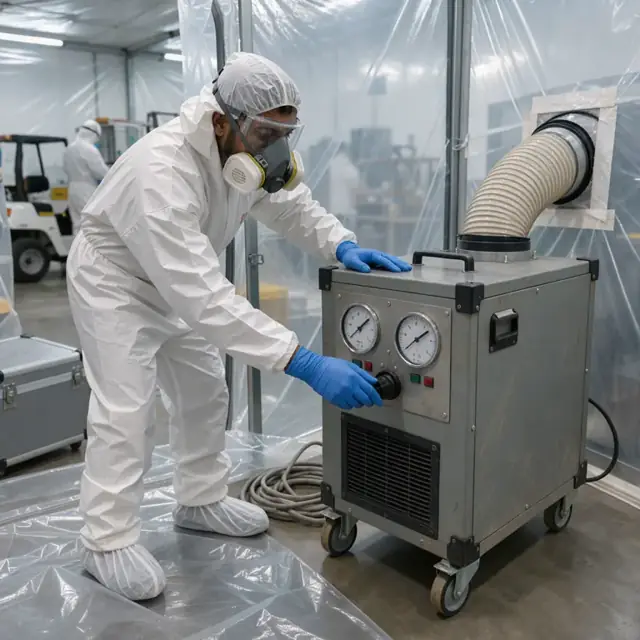
Remediation services firms respond to requests for mold, lead, asbestos, water damage and hazardous material cleanup. They schedule site visits, perform testing and inspections, create remediation plans, secure permits, execute safe removal and disposal, and complete final clearance testing. The specialists turn intake requests into scheduled assessments, turn lab results and site data into approved work plans, turn plans into permitted job schedules with disposal tracking, and turn completed work into invoiced clearance reports. All safety protocols, waste manifests and regulatory paperwork stay with the licensed technicians.
What makes this business different
- Site-specific hazards that require testing, containment, negative air, PPE and licensed technicians before any work begins
- Regulatory permits, notifications and clearance testing that must be filed with local, state or federal agencies before and after remediation
- Chain-of-custody sampling, laboratory analysis and waste manifests for hazardous materials
- Project-specific work plans that list containment methods, disposal sites and clearance criteria
- Coordination with property owners, insurance adjusters, building managers and subcontractors
- Equipment decontamination, tool calibration and waste hauling documentation for every job
- Seasonal demand spikes after storms, floods or building renovations
Specialist bots

Intake Coordinator
Convert every incoming hazard report into a scheduled assessment with complete details.
Works in: Ambitious Tasks, Ambitious Docs, Email Buckets · Workflows: Request intake and initial scheduling
Automates
- Reads incoming calls, emails and web forms
- Extracts address, hazard type and insurance information
- Checks technician availability against regulatory timelines
- Drafts confirmation and access instructions
- Creates the assessment task and adds to master list
Stops for a person
- A licensed technician reviews hazard classification before scheduling
- The owner approves any emergency prioritization
- A person sends all customer communications

Inspection and Sampling Specialist
Prepare and document on-site inspections, collect samples and maintain chain of custody.
Works in: Ambitious Tasks, Ambitious Docs, Ambitious Sheets · Workflows: Site inspection and sampling
Automates
- Generates equipment and PPE checklists
- Organizes photo logs and moisture readings
- Creates chain-of-custody forms
- Tracks sample shipment and lab turnaround
- Drafts preliminary observation summary
Stops for a person
- A licensed technician performs all sampling and decides on additional locations
- A person reviews photos and notes before submission to the lab
- The owner confirms lab selection

Remediation Plan Developer
Assemble laboratory results and site data into a complete work plan and permit package.
Works in: Ambitious Docs, Contract Analyzer, Ambitious Sheets · Workflows: Remediation plan and permitting
Automates
- Merges lab reports with site documentation
- Populates standard work plan templates with project specifics
- Identifies required permits and notification forms
- Attaches waste profiles and disposal facility details
- Flags missing elements for the project manager
Stops for a person
- A licensed project manager or engineer approves the final plan
- The owner reviews and signs any documents sent to regulators
- A person files official permit applications

Job Scheduler and Dispatcher
Assign crews, equipment and disposal resources once plans and permits are approved.
Works in: Ambitious Tasks, Ambitious Docs · Workflows: Project scheduling and resource dispatch
Automates
- Matches licensed technicians to hazard type and location
- Reserves containment and remediation equipment
- Schedules waste hauling and clearance testing
- Generates owner notification letters
- Loads all plan documents into the job folder
Stops for a person
- The project manager confirms crew assignments and permit status
- A person contacts the property owner to set access times
- The owner approves any subcontractor selections
Execution and Waste Tracker
Monitor daily progress, log safety data and track all waste manifests during remediation.
Works in: Ambitious Tasks, Ambitious Sheets, Ambitious Docs · Workflows: Remediation execution and waste tracking
Automates
- Generates daily containment and safety checklists
- Logs equipment hours and waste volumes
- Organizes progress photos by stage
- Prepares manifests for licensed haulers
- Alerts when clearance testing should be scheduled
Stops for a person
- Technicians record actual field conditions and any plan deviations
- The project manager reviews all daily logs before they are finalized
- A person signs and submits official waste manifests

Clearance and Closeout Specialist
Compile clearance results and all project records into a final report and invoice package.
Works in: Ambitious Docs, Ambitious Sheets, Ambitious Tasks · Workflows: Clearance testing and project closeout
Automates
- Organizes all lab reports, manifests and daily logs
- Assembles before-and-after photo sets
- Populates final report templates
- Flags outstanding change orders for invoicing
- Prepares project archive folder
Stops for a person
- The project manager reviews and approves the final report
- A person submits clearance documentation to regulators or insurers
- The owner approves and sends the final invoice

Compliance and Permit Clerk
Track all licenses, permits, calibrations and regulatory filings across every project.
Works in: Ambitious Tasks, Ambitious Sheets, Ambitious Docs · Workflows: Regulatory and safety documentation
Automates
- Maintains calendar of license and insurance renewals
- Generates required notification and manifest templates
- Organizes project-specific safety and training records
- Cross-checks documents against agency checklists
- Alerts before any filing or renewal deadlines
Stops for a person
- The owner confirms which local, state or federal requirements apply to each job
- A licensed professional reviews and signs all official submissions
- People handle all agency interactions and audits
Workflows
Request intake and initial scheduling
Starts when: A customer calls, emails or submits a web form about suspected contamination
- Capture property address, type of suspected hazard, visible conditions and any insurance details
- Check technician availability and regulatory lead times for the hazard type
- Draft a site visit confirmation with required access and safety notes
- Create an assessment task with all gathered details
- Log the request in the master project list
Watch for: Accurate hazard identification from the first contact to select the correct licensed technician; Emergency calls may require same-day or next-day response
Site inspection and sampling
Starts when: Confirmed assessment appointment
- Prepare inspection kit with calibrated meters, sampling supplies and PPE checklist
- Document visual observations, moisture readings and photo evidence on site
- Collect air, surface or bulk samples with proper chain-of-custody forms
- Transmit samples to the approved laboratory with tracking
- Draft preliminary findings summary for review
Watch for: Sampling protocols vary by material and jurisdiction; Technicians must follow strict contamination prevention rules on every visit
Remediation plan and permitting
Starts when: Laboratory results received
- Combine lab data, site photos and observations into a draft work plan
- Identify required containment, removal methods, disposal facilities and clearance criteria
- Draft permit applications or notifications required by local air quality or health departments
- Attach waste manifests and subcontractor scopes
- Route the complete package for owner approval before filing
Watch for: Plans must list exact engineering controls and clearance standards; Some jurisdictions require licensed engineer or industrial hygienist sign-off
Project scheduling and resource dispatch
Starts when: Approved and permitted work plan
- Assign licensed technicians and specialized equipment to the job
- Block crew time, reserve containment supplies and schedule waste hauling
- Send pre-job notifications to the property owner and adjacent occupants
- Load all plan documents, permits and safety data into the job folder
- Create daily progress tasks for the crew
Watch for: Crew must be available only after permits post and clearance testing is scheduled; Equipment such as negative air machines and HEPA vacuums must be reserved and calibrated
Remediation execution and waste tracking
Starts when: Job start date
- Generate daily safety and containment checklists
- Log hours, equipment runtime, waste volumes and disposal manifests
- Track progress against the approved plan and flag deviations
- Photograph each stage of removal and containment
- Schedule post-remediation clearance testing
Watch for: All waste must be manifested and transported by licensed haulers; Containment integrity and negative pressure must be documented continuously
Clearance testing and project closeout
Starts when: Remediation declared complete by crew
- Schedule and coordinate independent clearance testing
- Compile all sampling results, manifests, permits and daily logs
- Draft final report with before-and-after documentation
- Prepare invoice with change orders and supporting photos
- Close the project in the master list and archive documents
Watch for: Clearance must meet the exact criteria listed in the approved plan; Final reports are often submitted to insurers or regulators
Regulatory and safety documentation
Starts when: Every job milestone and on fixed calendar dates
- Track expiration dates for technician licenses, equipment calibrations and insurance
- Generate and file required agency notifications and waste manifests
- Maintain project-specific safety plans and training records
- Organize all chain-of-custody, lab reports and clearance results
- Flag upcoming renewals or re-inspections
Watch for: Different materials and jurisdictions impose distinct filing deadlines and formats; All records must be available for audits or insurance claims
Bot templates for this industry
- Damage Restoration Mitigation (3 bots)
- Remediation Services (7 bots)
Source: U.S. Small Business Administration, Office of Size Standards, Table of Small Business Size Standards Matched to North American Industry Classification System Codes, version March 2023 (effective 2023-03-17, NAICS 2022). Size standards are shown for reference only.