

Materials Recovery Facilities
Materials recovery facilities receive mixed recyclables by truck, sort them on conveyor lines into commodities such as paper, cardboard, plastics, metals and glass, then bale, store and ship the sorted materials to commodity buyers. For an MRF that processes residential and commercial loads on a daily schedule, the specialists turn inbound manifests and scale tickets into sort-line instructions, sort results into bale and inventory records, and outbound loads into shipping documents and customer invoices. Equipment maintenance, commodity pricing and regulatory reporting stay with the facility manager.
What makes this business different
- Inbound loads with variable composition that must be weighed, inspected for contamination and logged before tipping
- High-speed sort lines with multiple stations for paper, plastics, metals, glass and residue that run on fixed daily shifts
- Baling and storage of sorted commodities with moisture and contamination controls before shipment
- Tracking of residue sent to landfill versus recovered commodities by weight and type
- Commodity market pricing that changes daily or weekly, affecting bale valuations and buyer contracts
- Scale tickets, manifests, bills of lading, chain-of-custody forms and annual recycling reports
- Equipment uptime: balers, conveyors, magnets, eddy-current separators and optical sorters require scheduled maintenance
- Supplier relationships with haulers and buyers plus compliance paperwork that must be ready for inspections
Specialist bots

Inbound Scale and Receipt Clerk
Turn every arriving truck into a weighed, inspected and documented inbound load ready for sorting.
Works in: Ambitious Tasks, Ambitious Docs, Ambitious Sheets · Workflows: Inbound load receipt and inspection
Automates
- Reads scale tickets and manifests
- Captures hauler, weight and source data
- Drafts inspection notes and contamination flags
- Creates the sort-line task
- Generates the receipt for the driver
Stops for a person
- Facility staff visually inspect each load before tipping
- Rejection or extra charges are approved by the manager
- A person signs and hands the receipt to the driver

Sort-Line Scheduler
Convert daily inbound mix and backlog into a staffed sort-line configuration and station assignments.
Works in: Process Optimizer, Ambitious Sheets, Ambitious Tasks · Workflows: Daily sort-line scheduling
Automates
- Reviews accumulated loads by material
- Suggests line setup and staffing levels
- Allocates workers to each sorting position
- Schedules safety checks and warm-up
- Creates downstream bale tasks
Stops for a person
- The shift supervisor approves the daily schedule
- Staffing changes are confirmed by the manager

Sort-Line Material Tracker
Capture real-time weights and counts from each sorting station and maintain running commodity totals.
Works in: Ambitious Sheets, Ambitious Tasks, Ambitious Docs · Workflows: Sort-line material tracking
Automates
- Logs station outputs and residue weights
- Calculates recovery percentages
- Flags contamination or downtime events
- Transfers completed streams to baling tasks
Stops for a person
- Sorters confirm material grades on the line
- The manager reviews end-of-shift totals

Baling and Inventory Manager
Turn sorted commodities into recorded bales with quality data and maintain accurate warehouse inventory.
Works in: Ambitious Sheets, Ambitious Tasks, Ambitious Docs · Workflows: Baling and commodity inventory
Automates
- Schedules baling by commodity backlog
- Records bale weight, count and quality
- Assigns storage locations
- Flags inventory ready for shipment
Stops for a person
- Bale quality and moisture checks are performed by operators
- The manager approves bale release for sale
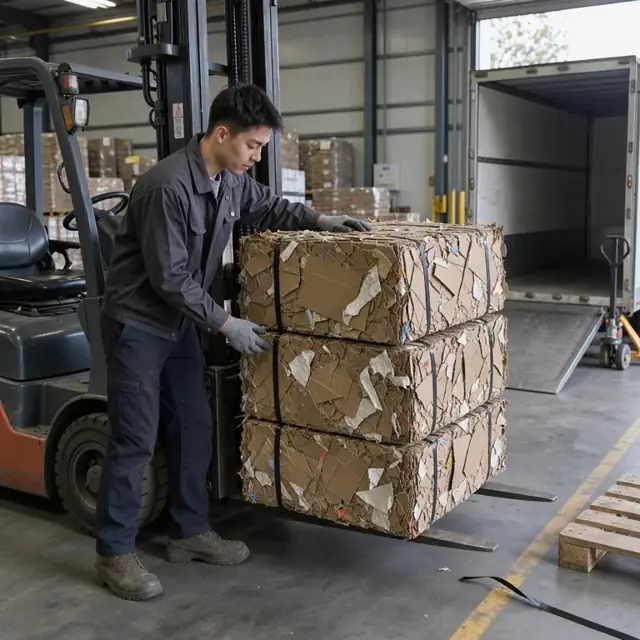
Outbound Shipping Coordinator
Match ready bales to buyer orders, prepare shipping documents and track each outbound load.
Works in: Ambitious Docs, Contract Analyzer, Ambitious Tasks · Workflows: Outbound load preparation and shipping
Automates
- Matches inventory to buyer specifications
- Generates bills of lading and manifests
- Drafts load and invoice documents
- Updates inventory after departure
Stops for a person
- The manager confirms pricing and contract terms
- A person signs all shipping paperwork
- Load inspection before truck leaves is done by staff
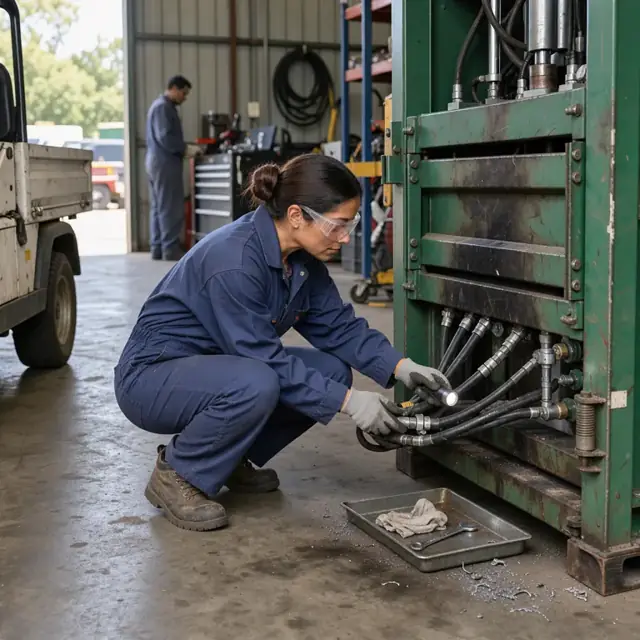
Equipment Maintenance Coordinator
Track runtime, generate maintenance checklists and schedule service for all sorting and baling equipment.
Works in: Ambitious Sheets, Ambitious Tasks, Process Optimizer · Workflows: Equipment maintenance and downtime tracking
Automates
- Builds daily pre-shift checklists
- Logs hours and repair events
- Tracks parts inventory
- Forecasts upcoming service dates
Stops for a person
- Technicians perform and sign off on all repairs
- The manager approves maintenance downtime windows

Reporting and Compliance Clerk
Compile daily throughput data, draft regulatory reports and track all permit and reporting deadlines.
Works in: Ambitious Sheets, Ambitious Docs, Ambitious Tasks · Workflows: Reporting and regulatory paperwork
Automates
- Aggregates inbound and outbound weights
- Calculates daily recovery and residue rates
- Drafts monthly and annual report templates
- Alerts before filing deadlines
Stops for a person
- The facility manager confirms which requirements apply and reviews every report
- All submissions and certifications are performed by people
Workflows
Inbound load receipt and inspection
Starts when: A hauler truck arrives at the gate
- Capture scale ticket, manifest and hauler details
- Inspect load for prohibited materials and estimate composition
- Record weight, source and any contamination notes
- Assign tipping location and create a sort-line task
- Generate inbound receipt for the hauler
Watch for: Loads with excessive contamination may be rejected or charged extra; Hazardous items must be flagged before tipping
Daily sort-line scheduling
Starts when: Start of each shift or when inventory backlog is known
- Review accumulated inbound loads by material type and volume
- Assign sort-line configuration for paper, containers or mixed
- Allocate labor to each sorting station and set throughput targets
- Schedule equipment warm-up and safety checks
- Create tasks for each downstream bale station
Watch for: Line speed and staffing must match incoming load mix; Residue percentage varies daily and affects landfill charges
Sort-line material tracking
Starts when: Sort line starts running
- Log weights or counts at each sorting station in real time
- Track residue stream versus recovered commodities
- Flag contamination events or equipment jams
- Update running totals for each commodity type
- Create transfer tasks to baling stations
Watch for: Moisture and contamination must be noted for each bale; Optical sorters and magnets require periodic calibration checks
Baling and commodity inventory
Starts when: When a commodity stream reaches bale threshold
- Generate bale production schedule by commodity
- Record bale count, weight, moisture and quality grade
- Update warehouse inventory by bale ID and location
- Draft storage and stacking instructions
- Flag inventory ready for sale or shipment
Watch for: Bales must meet buyer specifications for size, density and contamination; Storage space is limited and must rotate by commodity
Outbound load preparation and shipping
Starts when: When a buyer order is confirmed or inventory target is reached
- Match available bales to buyer specifications and contract terms
- Generate bill of lading and load manifest
- Schedule truck loading and scale-out
- Draft shipping confirmation and invoice draft
- Update inventory after load departs
Watch for: Commodity prices fluctuate so values must be checked at shipment time; Chain-of-custody documentation is required for certain buyers
Equipment maintenance and downtime tracking
Starts when: Scheduled maintenance interval or after breakdown
- Generate daily pre-shift equipment checklist
- Log runtime hours, jams and repairs for each machine
- Track parts inventory for balers, conveyors and separators
- Forecast next service dates and create work orders
- Record downtime impact on daily throughput
Watch for: Preventive maintenance windows must avoid peak inbound hours; Specialized technicians handle optical sorters and eddy currents
Reporting and regulatory paperwork
Starts when: End of each day, month and on permit renewal dates
- Compile daily inbound and outbound weights by material
- Calculate recovery rates and residue percentages
- Draft monthly commodity reports and invoices
- Track permit, license and reporting deadlines
- Prepare annual recycling diversion reports
Watch for: Reporting requirements differ by jurisdiction and material type; Facility manager confirms which forms and thresholds apply
Bot templates for this industry
- Materials Recovery Facilities (7 bots)
Source: U.S. Small Business Administration, Office of Size Standards, Table of Small Business Size Standards Matched to North American Industry Classification System Codes, version March 2023 (effective 2023-03-17, NAICS 2022). Size standards are shown for reference only.