

Septic Tank and Related Services
Septic tank service companies schedule and perform pumping, inspection, repair and installation of septic systems, drain fields and grease traps. For a crew that runs scheduled pump-outs, responds to emergency calls, conducts inspections for real-estate transactions and manages parts inventory, the specialists turn service requests into scheduled jobs, jobs into route plans and material orders, and completed work into invoices, reports and compliance records. Permits, soil tests, equipment maintenance and regulatory paperwork stay with the owner and technicians.
What makes this business different
- Recurring pump-out schedules based on tank size, household occupancy and local code intervals
- Emergency service calls that must be dispatched same-day or next-day with accurate ETA
- Pre-purchase real-estate inspections requiring photos, diagrams, dye tests and written reports
- Heavy equipment assets including pump trucks, jetters, cameras, locators and safety gear that require daily checks and maintenance logs
- Parts inventory for risers, lids, filters, baffles and piping that must be on the truck before leaving the yard
- Local health-department permits, installer licenses, waste-disposal manifests and soil-evaluation paperwork that must be current
- Billing that mixes flat-rate pump-outs, time-and-material repairs, inspection fees and drain-field restoration work
Specialist bots

Service Intake Coordinator
Convert every incoming service request into a scoped job task with accurate site and history details.
Works in: Ambitious Tasks, Ambitious Docs, Email Buckets · Workflows: Service request intake and quoting
Automates
- Reads incoming calls, texts and form submissions
- Pulls prior service history and tank information
- Drafts quotes and arrival windows
- Creates the job task with all captured details
Stops for a person
- Owner reviews and approves any non-standard quotes
- A person makes the final call to confirm scheduling

Route and Dispatch Planner
Build daily routes that combine scheduled work and emergency calls while respecting truck capacity and crew certifications.
Works in: Ambitious Tasks, Process Optimizer · Workflows: Daily routing and dispatch
Automates
- Sequences jobs by location and equipment needs
- Balances loads across available pump trucks
- Calculates arrival windows and drive times
- Sends customer notifications for approval
Stops for a person
- The lead technician adjusts the route for road conditions or new emergencies
- Owner approves any same-day rescheduling that affects customers
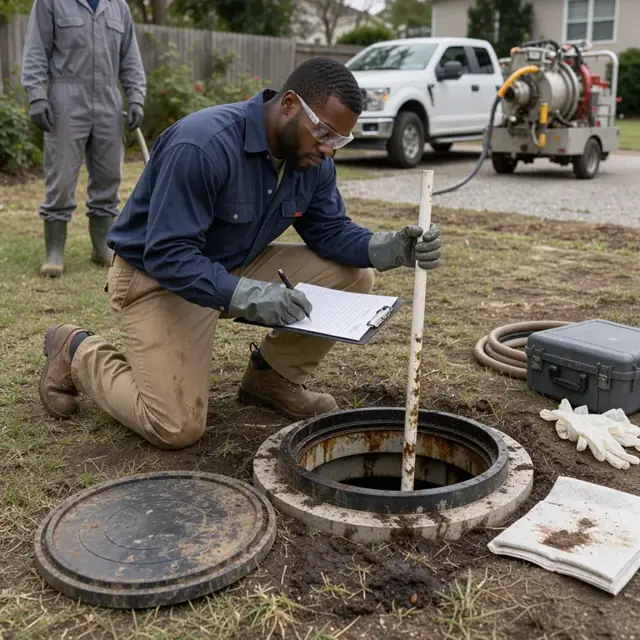
Job Documenter
Capture on-site measurements, photos, observations and waste volumes and turn them into customer reports and regulatory records.
Works in: Ambitious Tasks, Ambitious Docs, Ambitious Sheets · Workflows: On-site job execution and documentation
Automates
- Organizes photos and measurements into standardized report templates
- Calculates sludge and scum levels against code thresholds
- Generates disposal manifests with recorded volumes
- Attaches all documentation to the job record
Stops for a person
- The technician reviews and corrects the drafted report before it is sent
- Owner confirms accuracy of any regulatory filings

Parts and Equipment Manager
Keep trucks stocked with common parts and schedule maintenance so equipment is ready each morning.
Works in: Ambitious Sheets, Ambitious Tasks · Workflows: Parts, inventory and equipment maintenance
Automates
- Reconciles parts used against job records
- Generates daily restock lists for each truck
- Tracks maintenance due dates for pumps, hoses and cameras
- Flags critical low-stock items
Stops for a person
- Owner places all purchase orders and approves expenditures
- Technicians perform and sign off on physical equipment checks

Billing and Invoicing Specialist
Compile job data, materials and disposal charges into accurate invoices and track payments.
Works in: Ambitious Docs, Ambitious Sheets, Ambitious Tasks · Workflows: Billing, invoicing and payment follow-up
Automates
- Pulls time, materials and disposal data from job records
- Builds itemized invoices with attached reports
- Sends invoices and records payment status
- Flags accounts needing follow-up
Stops for a person
- Owner reviews and approves all invoices before they are sent
- A person handles disputes and collections
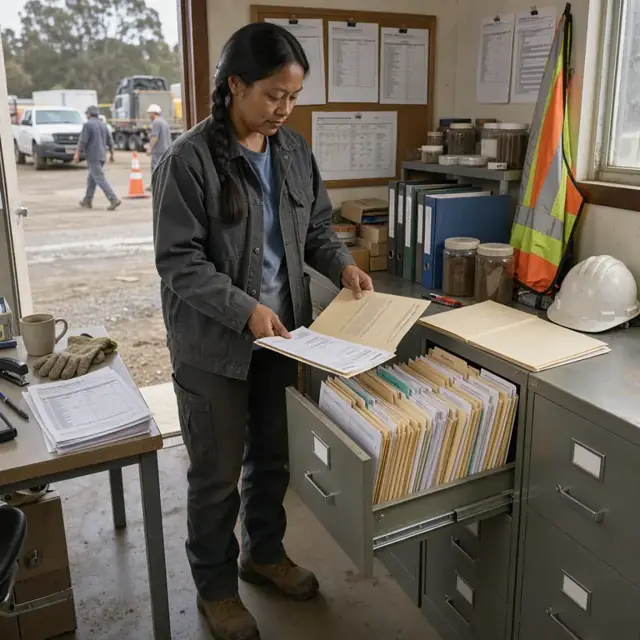
Compliance and Permit Clerk
Track all license, permit and manifest deadlines and prepare required regulatory paperwork for owner review.
Works in: Ambitious Tasks, Ambitious Docs, Ambitious Sheets · Workflows: Permit tracking and regulatory paperwork
Automates
- Monitors expiration dates for licenses and permits
- Generates standard health-department forms
- Organizes as-built diagrams and inspection histories
- Prepares manifest summaries for filing
Stops for a person
- Owner confirms which local requirements apply and signs all filings
- The clerk never certifies compliance; people confirm requirements

Maintenance Reminder Specialist
Calculate next service dates from tank and usage data and draft reminder messages for owner approval.
Works in: Ambitious Tasks, Ambitious Docs, Email Buckets · Workflows: Maintenance reminders and rebooking
Automates
- Calculates recommended service intervals from job history
- Drafts personalized reminders with last-visit photos
- Suggests bundled services or maintenance plans
- Updates customer records with new notes
Stops for a person
- Owner approves every message before it is sent
- Technicians review technical recommendations
Workflows
Service request intake and quoting
Starts when: A customer calls, emails, texts or submits a web form for pumping, inspection or repair
- Capture property address, tank location details, number of bedrooms, last service date and urgency
- Check against existing customer records and scheduled routes
- Draft a flat-rate or time-and-material quote with notes on access and known issues
- Confirm permit or access requirements for the site
- Create a job task with all customer-stated details attached
Watch for: Accurate last-pump date determines urgency and pricing; Driveway or gate access issues must be noted before crew arrival
Daily routing and dispatch
Starts when: Each morning and when an emergency call arrives
- Combine scheduled pump-outs, inspections and emergency calls into one route
- Sequence stops by location, truck capacity and required equipment
- Assign trucks and technicians with appropriate certifications
- Send customer arrival-window notifications
- Update the live schedule when jobs run long or new calls arrive
Watch for: Tank size determines pump-truck capacity and number of trips to the disposal site; Weather or traffic can force same-day re-routing
On-site job execution and documentation
Starts when: Crew arrives at the property
- Complete the pre-job safety and equipment checklist
- Perform the pump, inspection, dye test or repair as scoped
- Capture photos, tank measurements, sludge levels, observations and any repairs made
- Record waste volume removed and disposal site manifest number
- Generate a customer-facing report or invoice summary on site
Watch for: Regulatory codes require specific measurements and observations be recorded; Failed inspections trigger immediate repair recommendations
Parts, inventory and equipment maintenance
Starts when: End of each day and weekly
- Reconcile parts used on jobs against truck and yard inventory
- Flag low-stock items for reorder
- Schedule and log preventive maintenance on pump trucks, jetters and cameras
- Track hose, coupler and safety gear condition
- Generate reorder list for risers, lids, effluent filters and common repair parts
Watch for: Trucks must leave the yard fully stocked each morning; Failed equipment can idle an entire crew
Billing, invoicing and payment follow-up
Starts when: After each completed job and on a monthly cadence
- Compile job data, materials used, disposal fees and travel charges
- Draft itemized invoice with attached photos and report
- Send invoice and record payment status
- Flag overdue accounts for follow-up
- Reconcile disposal site manifests with vendor invoices
Watch for: Some municipalities require separate manifests for each load; Homeowner associations or property managers may require specific invoice formats
Permit tracking and regulatory paperwork
Starts when: On renewal dates, after installations and before large jobs
- Track expiration dates for installer licenses, pumping permits and waste-transport authority
- Generate required health-department forms and soil-evaluation reports
- File manifests and inspection reports with the correct jurisdiction
- Maintain as-built diagrams and repair records for each property
- Alert when new or renewed permits must be obtained
Watch for: Rules differ by county and health department; The owner confirms which forms and signatures are required
Maintenance reminders and rebooking
Starts when: Three to six months before next recommended service and after every job
- Calculate next recommended pump-out or inspection date based on tank size and usage
- Draft reminder notices with photos from last visit
- Offer bundled maintenance plans or drain-field inspections
- Update customer records with new observations or recommendations
- Track repeat business and satisfaction
Watch for: Local codes dictate minimum pump intervals; All communications require owner approval before sending
Bot templates for this industry
- Septic Tank and Related Services (7 bots)
Source: U.S. Small Business Administration, Office of Size Standards, Table of Small Business Size Standards Matched to North American Industry Classification System Codes, version March 2023 (effective 2023-03-17, NAICS 2022). Size standards are shown for reference only.