

Flight Training
Flight training schools schedule students, instructors, aircraft and simulators for ground school, flight lessons, checkrides and ratings. For a school that offers private pilot, instrument, commercial and instructor courses with its own fleet and dispatch desk, the specialists turn inquiries into booked schedules, schedules into aircraft assignments and instructor pairings, and flight records into progress tracking and FAA paperwork. Curriculum, safety standards and sign-offs stay with the chief flight instructor.
What makes this business different
- Student pilots with varying experience levels, certificates and medicals that determine eligible aircraft and lesson types
- Aircraft and simulator availability limited by maintenance, weather and FAA inspection cycles
- Scheduling that coordinates students, certified flight instructors, aircraft dispatch and ground school sessions
- Flight logs, dual instruction records, endorsements and progress toward FAA knowledge tests and practical tests
- Weather minimums, airport permits, aircraft airworthiness directives and pilot medical certificate expirations
- Recurring billing for lesson blocks, rental rates by aircraft type and instructor time
- Seasonal demand peaks during summer and holidays with rental aircraft booked weeks in advance
Specialist bots
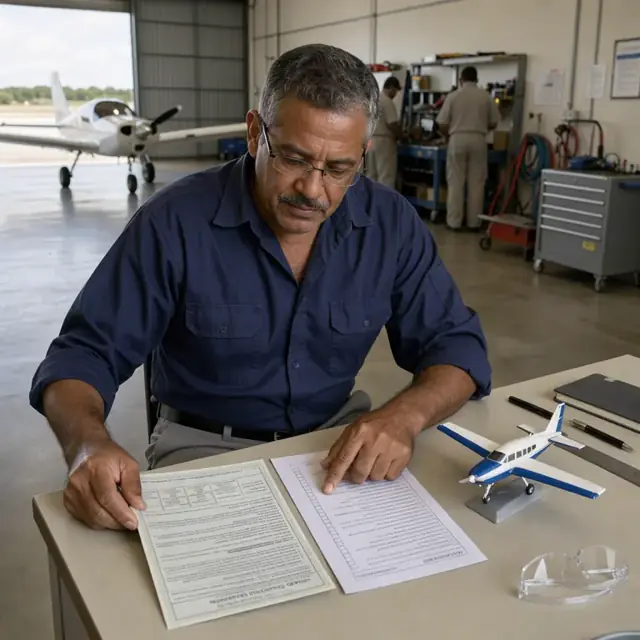
Student Enrollment Coordinator
Convert inquiries into enrolled students with training plans and complete profiles.
Works in: Ambitious Tasks, Ambitious Docs, Email Buckets · Workflows: Student inquiry and enrollment
Automates
- Reads and parses incoming inquiries and forms
- Builds initial training plan based on target certificate
- Creates student profile with medical and experience checklist
- Drafts enrollment and medical requirement packets
Stops for a person
- The chief instructor reviews and approves each training plan
- A person verifies medical certificate class and issues enrollment confirmation

Lesson Scheduler
Match students, instructors, aircraft and simulators into conflict-free lesson blocks.
Works in: Ambitious Tasks, Ambitious Sheets · Workflows: Lesson and resource scheduling
Automates
- Matches availability across students, instructors and aircraft
- Checks weather and airport conditions against lesson requirements
- Blocks calendars and reserves resources
- Generates confirmation and pre-flight prep lists
Stops for a person
- The chief instructor sets instructor availability and preferences
- A person approves schedule changes due to weather or maintenance

Flight Dispatcher
Release each flight with current weather, aircraft status and required briefing materials.
Works in: Ambitious Tasks, Ambitious Docs, Ambitious Sheets · Workflows: Flight dispatch and briefing
Automates
- Pulls aircraft maintenance and fuel status
- Compiles weather, NOTAMs and flight release
- Creates lesson objective cards
- Logs flight start and squawks
Stops for a person
- The instructor makes the final go-no-go decision
- A person verifies all aircraft documents are on board before release

Flight Records Specialist
Log flight times, update training records and draft required endorsements after each flight.
Works in: Ambitious Tasks, Ambitious Docs, Ambitious Sheets · Workflows: Post-flight logging and endorsements
Automates
- Captures and categorizes flight time by category
- Updates progress against syllabus requirements
- Drafts endorsement language for instructor review
- Flags maintenance issues and prepares billing
Stops for a person
- The flight instructor reviews and signs every logbook entry and endorsement
- A person approves all billing before invoices are sent
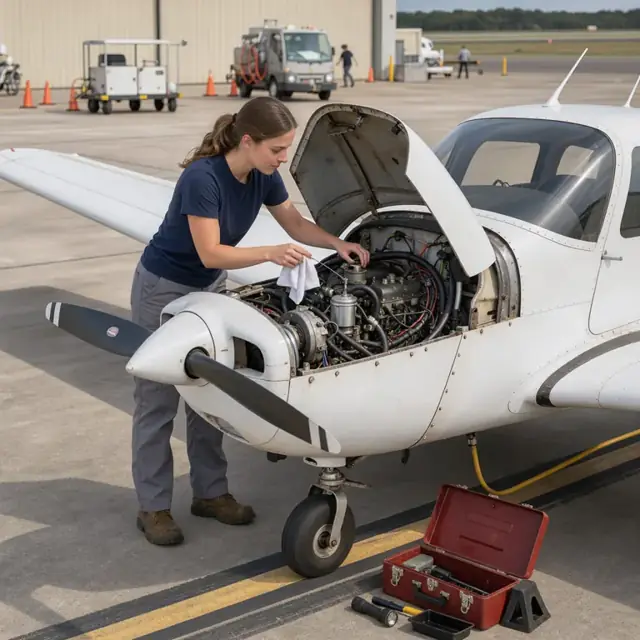
Aircraft Maintenance Coordinator
Track inspection due dates, schedule maintenance and maintain aircraft availability status.
Works in: Ambitious Sheets, Ambitious Tasks, Process Optimizer · Workflows: Aircraft maintenance and inspection tracking
Automates
- Calculates hours remaining until next inspections
- Schedules maintenance around training demand
- Drafts work orders and parts lists
- Updates aircraft status after return to service
Stops for a person
- The mechanic confirms all work and signs off logbooks
- The chief instructor verifies airworthiness before returning aircraft to the schedule

Student Progress Coach
Track student advancement toward ratings, identify gaps and prepare checkride packages.
Works in: Ambitious Tasks, Ambitious Docs, Ambitious Sheets · Workflows: Student progress and checkride prep
Automates
- Compares logged experience against FAA and syllabus minimums
- Highlights remaining maneuvers and hours needed
- Drafts recommendation letters and IACRA forms
- Schedules mock checkrides
Stops for a person
- The chief instructor personally reviews and signs all recommendations for practical tests
- A person confirms knowledge test results before scheduling the checkride

Billing and Compliance Administrator
Generate invoices from flight records, track payments and monitor regulatory paperwork deadlines.
Works in: Ambitious Sheets, Ambitious Tasks, Ambitious Docs · Workflows: Billing, payments and regulatory paperwork
Automates
- Compiles time by aircraft, instructor and student
- Generates weekly invoices and reminders
- Tracks insurance, permit and certification renewal dates
- Prepares utilization and completion summary reports
Stops for a person
- The owner approves all invoices, refunds and rate changes
- The chief instructor confirms accuracy of all regulatory records before filing
Workflows
Student inquiry and enrollment
Starts when: A prospective student submits an inquiry by form, email or phone message
- Capture experience level, target certificate or rating, medical status and schedule preferences
- Check against current instructor and aircraft availability for the requested training path
- Draft a personalized training plan with estimated hours and costs
- Send enrollment packet draft including medical requirements and payment options
- Create a student profile task with required documents checklist
Watch for: Medical certificate class must be verified before solo or checkride scheduling; Previous flight time and endorsements must be documented before advancing
Lesson and resource scheduling
Starts when: Student or instructor requests a lesson slot or on a weekly cadence
- Match student availability to certified flight instructor and aircraft or simulator
- Confirm weather forecast and airport conditions meet lesson requirements
- Reserve the aircraft in the maintenance tracking system and block the instructor calendar
- Send confirmation with pre-flight preparation list and required documents
- Update the master training schedule and notify of any conflicts
Watch for: Aircraft must have current annual, 100-hour inspections and no open discrepancies; Instructor currency and medical must be current for the flight type
Flight dispatch and briefing
Starts when: Morning of each flight day and when a lesson begins
- Pull the aircraft status, fuel state and maintenance history
- Generate the dispatch release with weather, NOTAMs and route of flight
- Create the lesson briefing card with objectives, maneuvers and completion standards
- Record aircraft squawks and fuel purchase if needed
- Log the start of dual or solo flight time in the student record
Watch for: Weather must meet FAA and school minimums before release; All aircraft documents and pilot endorsements must be verified before engine start
Post-flight logging and endorsements
Starts when: After each flight or simulator session
- Capture flight time, maneuvers practiced, landings and any issues from the instructor
- Update the student pilot logbook, training record and progress toward ratings
- Draft required endorsements or stage check sign-offs for review
- Flag any maintenance issues for the mechanic
- Update billing for flight time, instructor time and aircraft rental
Watch for: Exact dual, solo, cross-country and night time must be tracked per FAA rules; Endorsements can only be issued by the authorized instructor
Aircraft maintenance and inspection tracking
Starts when: Weekly and at scheduled inspection due dates
- Track hours until next 100-hour, annual, pitot-static and ELT inspections
- Schedule maintenance slots around the training calendar
- Draft work orders and parts requests for the mechanic
- Update aircraft availability once returned to service
- Maintain airworthiness directive and service bulletin compliance log
Watch for: Aircraft cannot be dispatched if any inspection or AD is overdue; Maintenance records must be available for FAA ramp inspections
Student progress and checkride prep
Starts when: After each lesson block and before FAA knowledge or practical tests
- Compare logged maneuvers and hours against FAA and school syllabus requirements
- Identify gaps and suggest additional lessons or ground training
- Draft the recommendation letter for checkride when standards are met
- Schedule mock checkrides with a different instructor
- Prepare the IACRA application package for the examiner
Watch for: Minimum aeronautical experience must be confirmed before recommending for test; Knowledge test results must be valid and current before practical test
Billing, payments and regulatory paperwork
Starts when: End of each week, month and on renewal dates
- Compile flight and instructor time for each student and generate invoices
- Track payments and send reminder drafts for past due accounts
- Monitor instructor and aircraft insurance, airport permits and school certifications for renewal
- Maintain required training records for potential FAA audits
- Generate quarterly reports on fleet utilization and student completion rates
Watch for: Billing rates differ by aircraft type, instructor certificate and lesson phase; Certain records must be retained for specific periods per FAA regulation
Bot templates for this industry
- Flight Schools Small Fbos (3 bots)
- Flight Training (7 bots)
Source: U.S. Small Business Administration, Office of Size Standards, Table of Small Business Size Standards Matched to North American Industry Classification System Codes, version March 2023 (effective 2023-03-17, NAICS 2022). Size standards are shown for reference only.