

Offices of Optometrists
Offices of optometrists provide eye exams, prescribe corrective lenses, fit contact lenses and manage basic ocular conditions. For a practice that schedules routine exams, urgent follow-ups and contact-lens training, the specialists turn appointment requests into verified slots, pre-visit paperwork into completed forms, exam findings into lens orders and billing claims, and recall lists into scheduled re-exams. Clinical decisions, prescriptions and patient counseling stay with the licensed optometrist.
What makes this business different
- Appointment types that differ by purpose: comprehensive exam, contact-lens fitting, follow-up, urgent complaint and eyewear dispensing
- Insurance verification and copay collection before the visit
- Protected patient intake forms, medical history and signed consents that must be collected in advance
- Inventory of contact lenses, trial sets, frames and diagnostic supplies that must stay in stock without over-ordering
- Coordination with optical labs for lens orders, frame repairs and warranty claims
- State licensing, continuing-education tracking and equipment-calibration records
- Recall and preventive-care scheduling based on patient risk factors and insurance benefits
- Same-day urgent slots that must be carved from the daily schedule without disrupting routine exams
Specialist bots

Appointment Coordinator
Convert every appointment request into a verified, prepared slot on the schedule.
Works in: Ambitious Tasks, Email Buckets · Workflows: Appointment request and scheduling
Automates
- Reads incoming requests across phone notes, email and web forms
- Matches request type to correct appointment length and room
- Checks insurance eligibility and drafts intake packet
- Sends confirmation and reminder messages
Stops for a person
- The front-desk staff or optometrist approves urgent same-day additions
- A person makes the final call on schedule changes or overbooking
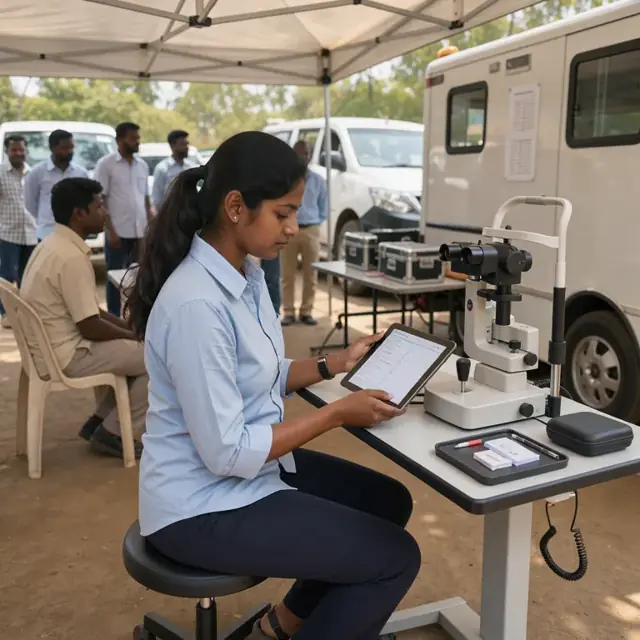
Pre-Visit Intake Verifier
Ensure every patient arrives with completed history, consents and verified benefits.
Works in: Ambitious Docs, Ambitious Tasks, Email Buckets · Workflows: Pre-visit intake and verification
Automates
- Checks returned forms for missing fields
- Pulls and attaches prior records
- Flags insurance or medical alerts
- Sends final pre-visit instructions
Stops for a person
- Staff reviews any flagged medical history before the exam
- A person calls patients who have not returned their paperwork

Exam Day Flow Assistant
Guide each patient through the visit sequence and prepare accurate documentation for the optometrist.
Works in: Ambitious Tasks, Ambitious Docs, Process Optimizer · Workflows: Exam-day patient flow and documentation
Automates
- Marks arrival and routes to stations
- Populates the exam note with intake data
- Lists required tests and prior findings
- Pre-fills common billing codes for review
Stops for a person
- The optometrist personally reviews and signs all clinical documentation
- Staff confirms equipment calibration before use

Lens and Eyewear Order Specialist
Convert finalized prescriptions into accurate supplier orders and track their fulfillment.
Works in: Ambitious Sheets, Ambitious Tasks, Ambitious Docs · Workflows: Contact lens and eyewear ordering
Automates
- Extracts parameters from the signed prescription
- Checks in-stock inventory first
- Drafts purchase orders with all measurements
- Creates arrival follow-up tasks
Stops for a person
- The optometrist verifies specialty lens parameters before ordering
- Staff inspects and dispenses received lenses to the patient

Billing and Claims Coordinator
Compile charges, submit claims and post payments for every encounter.
Works in: Ambitious Sheets, Ambitious Docs, Ambitious Tasks · Workflows: Billing, claims and payment posting
Automates
- Assembles charges from exam documentation
- Generates claims with correct codes
- Posts insurance remittances and patient payments
- Flags overdue balances for statements
Stops for a person
- Office manager reviews all claims before submission
- A person handles patient billing questions and payment plans
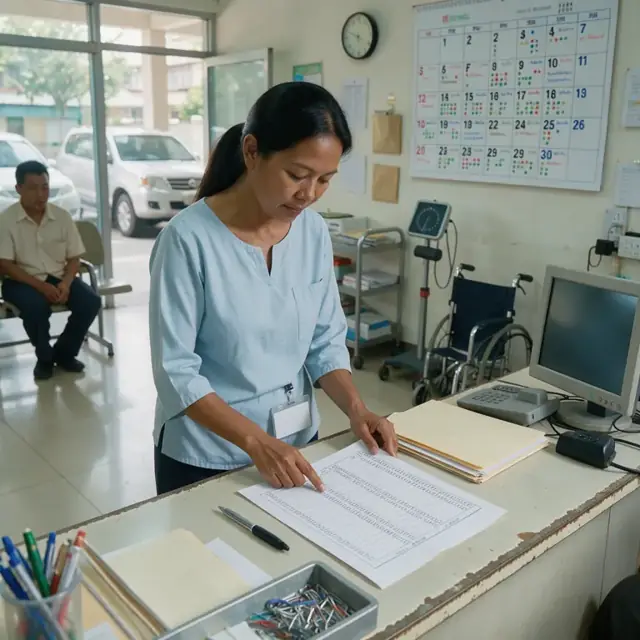
Recall and Patient Follow-up Manager
Identify due patients, draft personalized recall messages and book preventive appointments.
Works in: Ambitious Tasks, Email Buckets · Workflows: Patient recall and preventive scheduling
Automates
- Queries the schedule for patients due by risk and benefit cycle
- Drafts recall messages by preferred method
- Offers available slots and pre-fills forms
- Updates communication preferences based on responses
Stops for a person
- The optometrist reviews any high-risk recall list before messages are sent
- All outgoing messages are approved by staff before delivery

Optical Inventory Steward
Maintain accurate stock levels of contacts, frames, lenses and clinical supplies.
Works in: Ambitious Sheets, Ambitious Tasks, Ambitious Docs · Workflows: Optical and clinical inventory management
Automates
- Logs received and dispensed items
- Calculates reorder points from usage
- Drafts purchase orders for vendors
- Flags soon-to-expire trial lenses
Stops for a person
- Owner approves all purchase orders before spending
- Staff performs physical counts to reconcile records
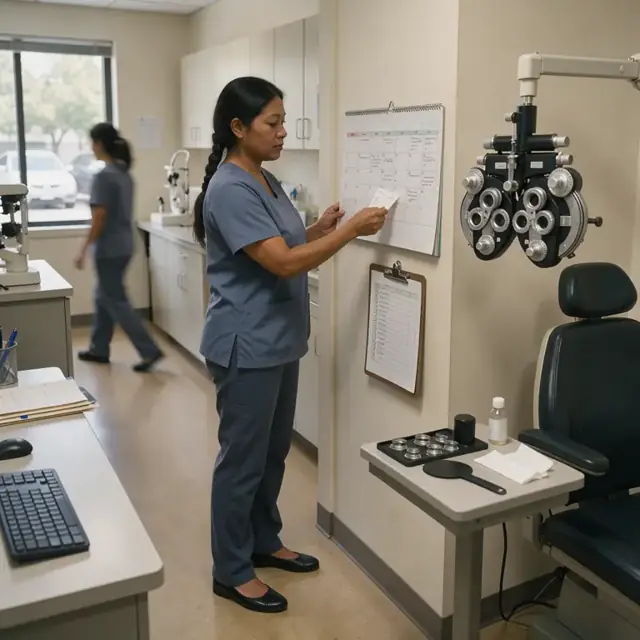
Compliance and Licensing Clerk
Track licenses, equipment maintenance and continuing education deadlines for the practice.
Works in: Ambitious Tasks, Ambitious Docs, Ambitious Sheets · Workflows: Licensing, equipment and record compliance
Automates
- Lists renewal dates for licenses and certifications
- Generates equipment maintenance checklists
- Compiles CE hours and training records
- Organizes documents for audits or inspections
Stops for a person
- The optometrist and office manager confirm which state and board requirements apply
- Only licensed personnel review and sign off on final compliance records
Workflows
Appointment request and scheduling
Starts when: A patient calls, texts, emails or submits a web form for an appointment
- Capture reason for visit, insurance details and preferred times
- Check availability against exam-room and doctor schedule
- Verify insurance eligibility and remaining benefits
- Send intake forms and consent documents for completion
- Confirm the slot and send a pre-visit reminder with arrival instructions
Watch for: Urgent red-eye or vision-loss calls must be offered a same-day slot when possible; Contact-lens training and dilation exams require longer slots and post-visit transportation notes
Pre-visit intake and verification
Starts when: 48 hours before each scheduled appointment
- Confirm receipt of completed medical history and consent forms
- Flag any incomplete fields or missing insurance cards
- Pull prior exam records and contact-lens history
- Prepare a patient-specific checklist for the doctor
- Send a final confirmation text with parking and check-in instructions
Watch for: All protected health information must be handled according to the requirements the owner confirms; Patients who have not completed forms are called directly
Exam-day patient flow and documentation
Starts when: Morning of each clinic day and when a patient checks in
- Mark patient as arrived and notify the technician
- Route the patient through pre-testing equipment stations
- Draft the exam note template from intake answers and prior records
- Flag any medical alerts or medication changes for the optometrist
- Prepare billing codes and lens-order fields for post-exam completion
Watch for: Equipment must be calibrated and maintenance logs current before use; The optometrist personally reviews and signs every clinical note
Contact lens and eyewear ordering
Starts when: After the optometrist finalizes a prescription or fitting
- Pull the exact parameters from the finalized prescription
- Check current inventory for trial lenses or in-stock frames
- Draft the lab or supplier order with measurements and add-ons
- Create a tracking task for arrival and patient notification
- Log cost and resale price for inventory records
Watch for: Custom toric, multifocal and specialty lenses have longer lead times; Frame warranties and lens coatings must be documented exactly as ordered
Billing, claims and payment posting
Starts when: End of each exam day and when insurance remittance arrives
- Compile exam, procedure and material charges from the encounter
- Generate and review the insurance claim for completeness
- Post patient copays and outstanding balances
- Track unpaid claims and draft follow-up statements
- Reconcile daily deposits against the schedule
Watch for: Each payer has specific coding and modifier rules the office must meet; All claims and statements are reviewed by staff before sending
Patient recall and preventive scheduling
Starts when: Weekly and on patient-specific anniversaries
- Identify patients due for exam based on last visit, risk factors and insurance cycle
- Draft personalized recall messages by preferred channel
- Offer convenient slots and pre-fill intake forms with prior data
- Track response rates and update patient communication preferences
- Flag high-risk patients for optometrist review before messaging
Watch for: Recall timing must respect the optometrist's clinical guidance; All patient messages require final approval before sending
Optical and clinical inventory management
Starts when: Daily for contacts, weekly for frames and monthly for supplies
- Scan received lenses and frames into inventory
- Subtract dispensed or expired items
- Generate reorder points for trial sets, diagnostic supplies and frames
- Draft purchase orders for vendors
- Track warranty returns and frame repairs
Watch for: Contact lenses have expiration dates that must be monitored; Frame and lens costs directly affect retail pricing
Licensing, equipment and record compliance
Starts when: On fixed calendar dates and equipment service intervals
- List upcoming license and state-board renewal dates
- Generate equipment calibration and maintenance checklists
- Compile continuing-education hours for the optometrist and staff
- Organize records for state inspections or payer audits
- Archive completed checklists and renewal proofs
Watch for: Each state maintains different requirements the owner confirms; Only the licensed optometrist and staff can confirm that records meet the requirements the owner confirms
Bot templates for this industry
- Offices of Optometrists (8 bots)
- Optometry Practices (3 bots)
Source: U.S. Small Business Administration, Office of Size Standards, Table of Small Business Size Standards Matched to North American Industry Classification System Codes, version March 2023 (effective 2023-03-17, NAICS 2022). Size standards are shown for reference only.