

HMO Medical Centers
HMO medical centers schedule patient appointments, coordinate referrals, manage prior authorizations, maintain clinical documentation, track inventory of medical supplies and vaccines, handle billing and claims, and ensure regulatory paperwork stays current. Specialists turn incoming appointment and referral requests into confirmed visits, route patients to in-network providers, generate visit documentation templates, build daily provider schedules, manage vaccine and supply reorders, prepare claims, and track renewal dates for licenses and accreditations. Clinical decisions, patient diagnoses, treatment plans and final billing approvals stay with the medical and administrative staff.
What makes this business different
- Patient appointments that must align with provider availability, insurance plan rules and medical necessity
- Prior authorization workflows for specialist referrals, procedures and imaging
- Maintenance of accurate patient records, encounter notes and continuity-of-care documentation
- Inventory tracking for vaccines, medications, medical supplies and equipment with expiration dates
- Daily provider schedules that balance routine visits, follow-ups, urgent care and administrative time
- Claims preparation and submission that matches contracted HMO rates and includes required documentation
- Regulatory paperwork including facility licenses, provider credentials, CLIA certificates and accreditation renewals
- Coordination with external labs, imaging centers and specialists within the HMO network
- Strict temperature logs, cold-chain records and lot tracking for vaccines and medications
- Referral and authorization timelines that differ for urgent versus routine care
Specialist bots

Appointment Coordinator
Convert patient requests and referrals into verified, confirmed appointments that fit provider availability and plan rules.
Works in: Ambitious Tasks, Email Buckets · Workflows: Appointment request and verification, Provider daily schedule building
Automates
- Reads incoming appointment messages and electronic referrals
- Verifies insurance eligibility and benefits against the plan
- Finds and books the next appropriate in-network provider slot
- Drafts confirmation messages with instructions and copay
- Creates visit tasks with pre-filled note templates
Stops for a person
- Clinical staff approve urgent or complex scheduling requests
- A person reviews and sends all patient communications
- The provider confirms any schedule overrides

Referral and Authorization Specialist
Process specialist referrals and prior authorization requests with complete clinical documentation.
Works in: Ambitious Tasks, Ambitious Docs, Contract Analyzer · Workflows: Referral and prior authorization
Automates
- Extracts diagnosis and service details from requests
- Checks HMO guidelines and network status
- Prepares authorization packets with required notes
- Submits requests and tracks responses
- Notifies stakeholders of outcomes
Stops for a person
- The ordering provider reviews and signs off on clinical information
- A person handles any peer-to-peer discussions with the health plan
- All outgoing authorization submissions are approved by staff
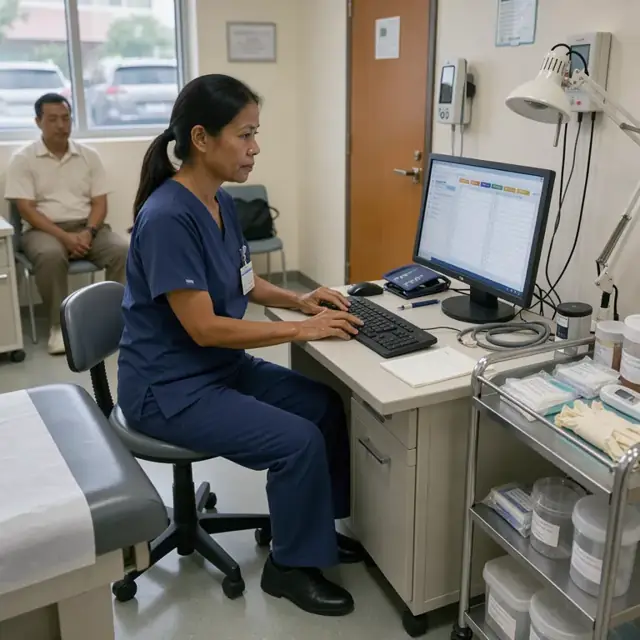
Clinical Documentation Assistant
Prepare, organize and route patient encounter notes for clinician review and signature.
Works in: Ambitious Docs, Ambitious Tasks, Ambitious Sheets · Workflows: Visit documentation and records management
Automates
- Populates note templates with patient history and visit reason
- Structures dictated content into standard formats
- Flags missing elements required for billing
- Routes completed notes for electronic signature
- Triggers linked orders and follow-up tasks
Stops for a person
- The clinician edits, approves and signs every note
- A person confirms that documentation supports coding before final filing

Medical Supply and Vaccine Manager
Track usage, maintain par levels and generate timely reorders for supplies, medications and vaccines.
Works in: Ambitious Sheets, Ambitious Tasks · Workflows: Medical supply and vaccine inventory
Automates
- Calculates consumption from visit records
- Monitors expiration and lot numbers
- Drafts purchase orders by supplier
- Logs temperature and cold-chain data
- Flags items for recall or removal
Stops for a person
- The clinic manager approves all purchase orders and spending
- Clinical staff verify vaccine and medication selections
- A person performs physical inventory counts and removes expired stock

Claims and Billing Preparer
Assemble clean claims from encounter data using contracted HMO rates and required attachments.
Works in: Ambitious Docs, Ambitious Sheets, Ambitious Tasks, Contract Analyzer · Workflows: Claims and billing preparation
Automates
- Pulls diagnosis and procedure codes from completed visits
- Applies HMO fee schedules and bundling rules the owner confirms
- Attaches supporting documentation
- Prepares claims for final review
- Tracks submission status and denials
Stops for a person
- Certified coders and the billing manager review every claim before submission
- A person handles all payer communications and appeals

Compliance and Credentialing Coordinator
Track license, accreditation and credentialing renewal dates and maintain required regulatory logs.
Works in: Ambitious Tasks, Ambitious Docs, Ambitious Sheets · Workflows: Licensing and accreditation tracking
Automates
- Lists all licenses and credentials with expiration dates
- Generates renewal checklists and reminders
- Compiles utilization and quality reports
- Maintains infection control and equipment logs
- Alerts before contract and accreditation deadlines
Stops for a person
- The medical director and administrator confirm which regulatory requirements apply
- All submissions, applications and corrective action plans are reviewed and filed by people
- The bot never certifies compliance
Workflows
Appointment request and verification
Starts when: A patient calls, messages, or an electronic referral arrives
- Capture patient details, reason for visit, insurance plan and urgency
- Check eligibility and benefits against the HMO plan using the contract analyzer
- Search for the next available slot with the appropriate in-network provider
- Draft a confirmation message with date, time, preparation instructions and copay
- Create a visit task with verified insurance and clinical notes template
Watch for: Urgent visits must be slotted within plan time guidelines; All insurance verification data must be captured exactly as provided by the payer
Referral and prior authorization
Starts when: A provider requests a referral or prior authorization
- Extract diagnosis, requested service, supporting clinical notes from the request
- Check against HMO guidelines, network status and medical necessity using the contract analyzer
- Draft and compile the authorization request with required documentation
- Submit the request and track status with follow-up reminders
- Notify the patient and referring provider once a decision is received
Watch for: Certain services require specific clinical documentation before submission; Timelines for urgent versus routine authorizations differ by payer
Provider daily schedule building
Starts when: Each afternoon for the next clinical day and weekly for template
- Pull confirmed appointments and add urgent or same-day slots
- Balance provider time between new patients, follow-ups, procedures and administrative time
- Insert buffer for same-day needs and travel between clinic sites
- Flag patients needing special accommodations, equipment or interpreter services
- Generate room assignments, staff support needs and equipment setup list
Watch for: Provider contract hours and specialty limit total daily slots; HMO patient panel size and no-show rates influence scheduling caps
Visit documentation and records management
Starts when: After each patient encounter or on a daily batch
- Pull the pre-populated note template with patient history, medications and reason for visit
- Organize dictated or entered findings into standard SOAP format
- Flag incomplete elements required for billing or quality metrics
- Route for clinician review, edit, electronic signature and filing
- Trigger any required follow-up tasks such as lab orders, referrals or imaging
Watch for: Notes must support billing and quality metrics the owner confirms; Protected health information handling follows owner-confirmed privacy requirements
Medical supply and vaccine inventory
Starts when: Daily low-stock alerts, weekly counts and seasonal vaccine campaigns
- Scan usage from visit records, procedure logs and expiration dates
- Calculate reorder quantities against par levels and upcoming clinic volumes
- Draft purchase orders for in-network suppliers and vaccines
- Track vaccine temperature logs, lot numbers and cold-chain documentation
- Flag recalls, expiring stock or temperature excursions for immediate removal
Watch for: Vaccines require strict cold-chain documentation and temperature logs; Certain supplies are tied to specific procedure kits and must match physician preference
Claims and billing preparation
Starts when: End of each clinic day and weekly batch
- Pull completed encounters with diagnosis and procedure codes from signed notes
- Cross-check against HMO fee schedule, bundling rules and documentation requirements using the contract analyzer
- Draft clean claims with required modifiers and attachments
- Route for final coding review and billing approval
- Track submission status, denials and appeals for rework
Watch for: HMO contracts specify exact bundling and timing rules the owner confirms; Supporting clinical notes must be attached for certain services
Licensing and accreditation tracking
Starts when: Monthly review and on renewal dates
- List all facility, provider, lab and equipment licenses with expiration dates
- Generate renewal checklists, continuing education reminders and inspection prep lists
- Compile quality, utilization and infection-control reports for submission
- Maintain CLIA logs, temperature records, vaccine logs and equipment maintenance files
- Alert before any credentialing, contract or accreditation deadlines
Watch for: Different states and payers maintain distinct renewal cycles; The medical director confirms which requirements apply to the center
Bot templates for this industry
- HMO Medical Centers (6 bots)
Source: U.S. Small Business Administration, Office of Size Standards, Table of Small Business Size Standards Matched to North American Industry Classification System Codes, version March 2023 (effective 2023-03-17, NAICS 2022). Size standards are shown for reference only.