

Medical Laboratories
Medical laboratories receive test orders from physicians, collect specimens at draw sites or in-house, run batches on analyzers, and return verified results. For a lab handling routine blood and urine panels with daily physician orders and stat requests, the specialists turn incoming orders into scheduled draws and accessioned specimens, batch runs into analyzer schedules and quality-control checks, and verified results into reports routed back to ordering providers. Reference ranges, quality systems and chain-of-custody stay with the lab director and technologists.
What makes this business different
- Physician orders with specific tests, diagnosis codes, fasting status and clinical notes that must be captured exactly
- Stat and routine priorities with same-day or next-morning turnaround expectations
- Specimen collection at patient service centers or via mobile phlebotomy with proper labeling and transport
- Batch processing on automated analyzers with daily calibration, controls and proficiency testing
- Chain-of-custody for forensic or legal specimens and temperature-controlled transport
- Result reporting with reference ranges, critical-value alerts and direct delivery to electronic health records or provider portals
- Requisition and report retention, billing codes, medical-necessity checks and lab licenses tracked by compliance staff
Specialist bots

Order Intake Specialist
Convert every incoming physician order into an accessioned, barcoded test record with verified medical necessity.
Works in: Ambitious Tasks, Ambitious Docs, Contract Analyzer · Workflows: Order intake and accessioning
Automates
- Reads orders from fax, email and EHR interfaces
- Extracts tests, diagnosis codes and collection requirements
- Checks medical necessity against payer rules
- Generates accession number and barcoded labels
- Creates the accession task
Stops for a person
- A technologist or supervisor reviews incomplete or ambiguous orders
- The lab director approves any exceptions to medical-necessity checks
- A person contacts the ordering provider for missing information

Phlebotomy and Collection Scheduler
Turn test orders into assigned draw times, routes and collection kits for phlebotomy teams.
Works in: Ambitious Tasks, Ambitious Sheets · Workflows: Specimen collection scheduling
Automates
- Assigns draw times within fasting or timed windows
- Builds daily phlebotomy routes for patient service centers and mobile visits
- Prepares collection kit lists by patient
- Logs collection details and transport conditions
Stops for a person
- Phlebotomy team lead adjusts routes for urgent adds or traffic
- A person verifies patient identity and completes the draw
- The supervisor reviews any rejected or redraw requests
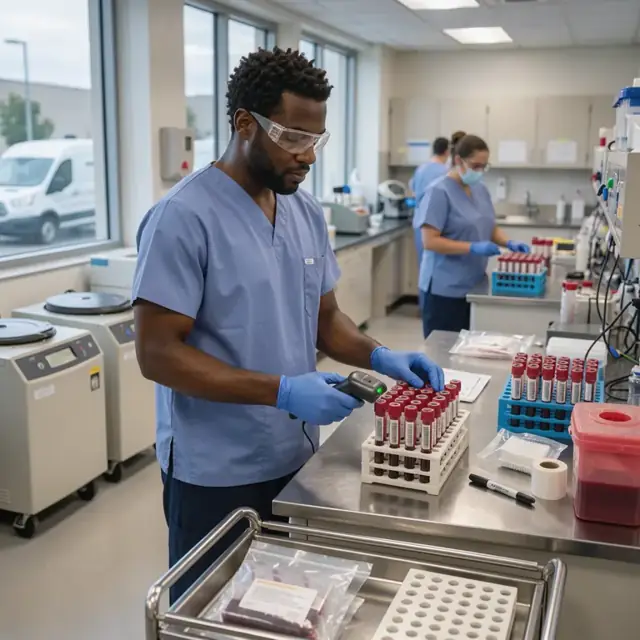
Accessioning and Processing Technician
Match arriving specimens to orders, process them for analysis and route stat samples immediately.
Works in: Ambitious Tasks, Ambitious Docs, Ambitious Sheets · Workflows: Accessioning and processing
Automates
- Scans barcodes to match specimens to accession records
- Checks specimen integrity against acceptance criteria
- Creates aliquots and secondary labels
- Logs receipt time and routes to correct analyzer queue
Stops for a person
- A qualified technologist reviews any specimens flagged for rejection
- The supervisor approves exceptions to standard processing protocols
- A person performs the actual centrifugation and aliquoting
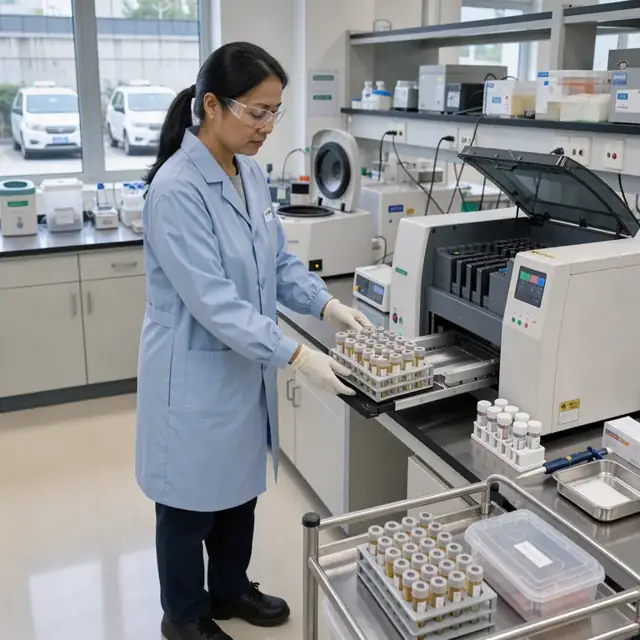
Analyzer Batch Coordinator
Build daily run schedules for each analyzer that incorporate controls, calibration and reflex testing.
Works in: Ambitious Tasks, Process Optimizer, Ambitious Sheets · Workflows: Daily analyzer batch scheduling
Automates
- Groups pending tests by analyzer and priority
- Inserts required control and calibration slots
- Calculates estimated run completion times
- Flags reflex tests that depend on initial results
Stops for a person
- The medical technologist reviews and releases the final run list
- A person loads specimens and starts the analyzer
- The lab director approves any schedule changes that affect turnaround

Result Verification Specialist
Review analyzer output against reference ranges, flag critical values and prepare verified reports for delivery.
Works in: Ambitious Tasks, Ambitious Docs, Ambitious Sheets · Workflows: Result review and verification
Automates
- Compares each result to age- and sex-specific reference ranges
- Highlights critical values and delta checks
- Checks quality-control data for the run
- Drafts the formatted report with interpretive notes
Stops for a person
- A board-certified pathologist or qualified technologist releases all results
- Critical-value notifications are made and documented by a person
- The lab director reviews any corrected reports
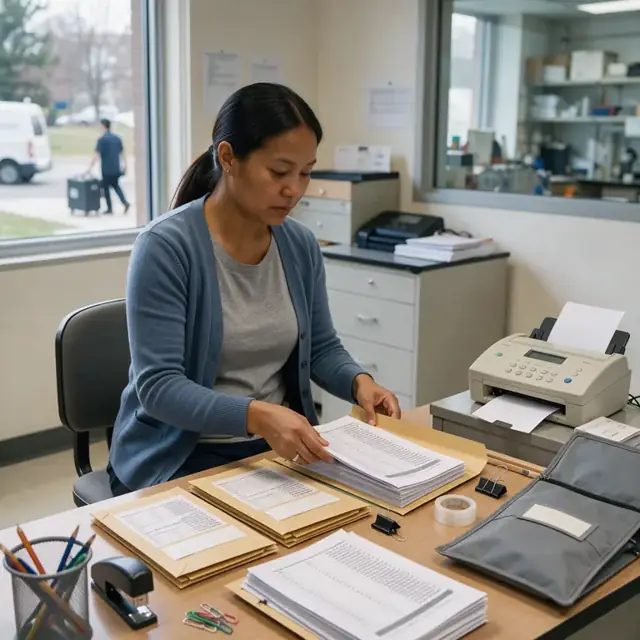
Billing and Report Delivery Clerk
Match verified tests to billing codes, transmit reports to providers and maintain required record retention.
Works in: Ambitious Tasks, Ambitious Docs, Email Buckets · Workflows: Billing and report delivery
Automates
- Attaches appropriate CPT and diagnosis codes
- Prepares claims and supporting documentation
- Transmits reports via interface or secure portal
- Confirms delivery and logs any addenda
Stops for a person
- A certified coder reviews complex or high-dollar claims
- The billing supervisor approves any manual adjustments
- A person handles physician requests for amended reports

Quality and Compliance Coordinator
Maintain daily quality-control logs, track instrument maintenance and monitor license and proficiency renewal dates.
Works in: Ambitious Tasks, Ambitious Sheets, Ambitious Docs · Workflows: Quality control and compliance tracking
Automates
- Generates analyzer-specific quality-control checklists
- Tracks calibration and maintenance due dates
- Logs refrigerator, freezer and transport temperatures
- Alerts before licenses, certificates or insurance renewals
Stops for a person
- The lab director or technical supervisor reviews and signs off on all quality records
- Corrective actions and proficiency testing are performed and documented by qualified personnel
- The laboratory owner confirms which regulatory requirements apply to the test menu
Workflows
Order intake and accessioning
Starts when: A physician order arrives by fax, EHR interface, email or portal
- Capture ordered tests, diagnosis codes, fasting notes, collection time and clinical history
- Verify medical necessity and insurance information against payer requirements
- Assign unique accession number and print barcoded labels
- Flag stat orders for immediate routing
- Create an accession task with specimen requirements
Watch for: Diagnosis codes must match ordered tests to meet billing rules; Incomplete orders require outreach to the ordering provider before processing
Specimen collection scheduling
Starts when: After order intake or on a standing draw schedule
- Schedule draw time at patient service center or mobile phlebotomy
- Assign phlebotomist and route for same-day collections
- Prepare collection kits and barcoded tubes
- Record patient identification and collection details
- Log transport conditions for each specimen
Watch for: Fasting and timed draws must occur within narrow windows; Pediatric and homebound patients require specialized handling
Accessioning and processing
Starts when: When specimens arrive at the lab
- Match physical specimen to accession record using barcode scan
- Centrifuge, aliquot and label for each analyzer
- Check for hemolysis, clotting or insufficient volume
- Enter receipt time and processor initials
- Route stat specimens immediately to the analyzer area
Watch for: Specimens must be processed within strict time limits from collection; Rejection criteria are documented and the ordering provider is notified
Daily analyzer batch scheduling
Starts when: Each morning and after stat arrivals
- Group accessioned specimens by test and analyzer
- Build run schedule accounting for calibration and quality-control slots
- Insert proficiency and control samples at required frequencies
- Flag reflex tests that will be triggered by initial results
- Print or display the run list for technologists
Watch for: Analyzer throughput and maintenance windows limit daily volume; Controls must pass before patient results are released
Result review and verification
Starts when: After analyzer run completes
- Compare results against reference ranges and previous values
- Flag critical values for immediate notification
- Check quality-control trends and instrument flags
- Draft verified report with technologist review notes
- Route final report to ordering provider and patient portal
Watch for: Abnormal and critical results require documented physician notification; All results are reviewed by qualified personnel before release
Billing and report delivery
Starts when: After results are verified and on a daily cadence
- Match completed tests to billing codes and payer contracts
- Draft claims with required documentation
- Transmit reports via EHR interface, fax or secure portal
- Log delivery confirmation and any addenda
- Archive requisitions and reports per retention rules
Watch for: Medical-necessity documentation must accompany certain tests; Reports containing protected health information follow strict transmission protocols
Quality control and compliance tracking
Starts when: Daily, weekly and on renewal or audit dates
- Generate daily quality-control checklists for each analyzer
- Track calibration, maintenance and proficiency testing schedules
- Monitor temperature logs for refrigerators, freezers and transport coolers
- Flag upcoming license, certificate and insurance renewals
- Maintain audit-ready logs of all reviewed controls and corrective actions
Watch for: Local, state and federal laboratory regulations differ by test menu; The lab director confirms which quality-system requirements apply
Bot templates for this industry
- Medical Laboratories (7 bots)
Source: U.S. Small Business Administration, Office of Size Standards, Table of Small Business Size Standards Matched to North American Industry Classification System Codes, version March 2023 (effective 2023-03-17, NAICS 2022). Size standards are shown for reference only.