

Diagnostic Imaging Centers
Diagnostic imaging centers receive physician referrals, schedule patients for MRI, CT, X-ray, ultrasound and other scans, prepare patients according to protocol, perform the imaging studies, route images for radiologist interpretation, deliver signed reports to referring physicians, and manage contrast inventory, equipment maintenance, safety logs and billing. Specialists turn referrals into verified orders ready for scheduling, verified orders into scanner bookings with prep instructions, completed scans into routed reading queues and finalized reports, while tracking inventory, maintenance and regulatory paperwork that the center's staff review and approve.
What makes this business different
- Referring physician orders that must be verified for medical necessity before scheduling
- Patient-specific safety and prep instructions such as NPO status, contrast allergies, implanted devices and pregnancy that must be captured exactly
- Scanner-specific protocols, daily room turnover, radiologist subspecialty matching and urgent same-day add-ons
- Insurance verification, prior authorization and accurate coding for each modality performed
- Contrast inventory with short shelf life, equipment calibration, radiation safety logs and state licensing records that require regular documentation
- Report delivery to referring physicians using methods the center's staff confirm meet their requirements
- Daily safety screenings, dose tracking and quality control that the technologists and medical director oversee
Specialist bots

Referral Coordinator
Convert every incoming referral into a verified imaging order with complete patient and safety details.
Works in: Ambitious Tasks, Ambitious Docs, Email Buckets · Workflows: Referral and order intake
Automates
- Reads orders from fax, portal, email and messages
- Extracts demographics, modality, indication, allergies and device status
- Flags incomplete orders and drafts requests for missing information
- Creates the master order task with attachments
- Sends receipt confirmation
Stops for a person
- Clinical staff review medical necessity flags
- A person contacts referring offices for clarifications
- Staff confirm all order requirements are met before scheduling
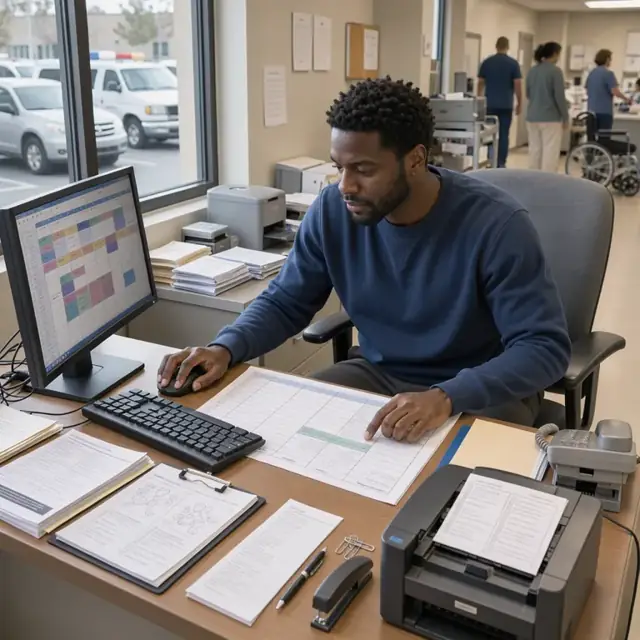
Imaging Scheduler
Match verified orders to scanner availability, create patient prep instructions and confirm appointments.
Works in: Ambitious Tasks, Ambitious Docs · Workflows: Patient scheduling and preparation
Automates
- Finds matching scanner slots and radiologist availability
- Generates modality-specific prep instructions
- Sends appointment confirmations with all details
- Records authorization numbers once received
- Slots urgent cases according to priority
Stops for a person
- Scheduling staff approve complex scheduling changes
- A person makes phone calls to patients with questions
- Radiologist reviews protocol selections for difficult cases
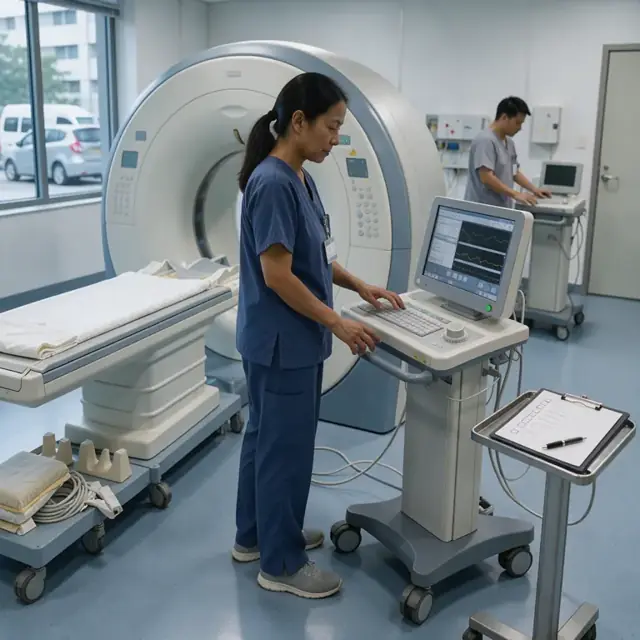
Scan Technologist Assistant
Build daily technologist checklists, track patient flow through each exam and log safety and contrast data.
Works in: Ambitious Tasks, Ambitious Sheets, Ambitious Docs · Workflows: Daily scan operations and technologist workflow
Automates
- Creates the daily checklist with protocols and safety items
- Records arrival, screening, scan times and contrast use
- Logs any reactions and radiation dose information
- Routes completed studies to PACS
- Updates schedule for add-ons, no-shows and room turnover
Stops for a person
- The technologist performs all patient safety screenings and confirms pregnancy status
- A person verifies final contrast and dose entries
- Radiologic technologists review and approve the completed checklist before the next patient

Radiology Workflow Manager
Route completed studies to the correct radiologist, track reading priority and manage report delivery.
Works in: Ambitious Tasks, Process Optimizer, Ambitious Docs · Workflows: Radiologist reading and report workflow
Automates
- Assigns studies by subspecialty and urgency
- Monitors queue and turnaround times
- Populates draft report templates with prior comparisons
- Flags critical findings for notification
- Routes signed reports to referring physicians
Stops for a person
- The radiologist reviews, edits and signs every report
- A person makes any urgent verbal notifications to referring physicians
- Staff confirm that report delivery methods meet their requirements

Contrast and Equipment Steward
Project daily contrast and supply needs, maintain par levels and track equipment maintenance and quality tests.
Works in: Ambitious Sheets, Ambitious Tasks, Ambitious Docs · Workflows: Contrast, supplies and equipment maintenance
Automates
- Projects usage from the daily schedule
- Calculates reorder quantities and tracks current stock
- Lists upcoming maintenance, calibration and survey dates
- Logs completed quality control and physicist results
- Alerts when stock approaches minimum levels
Stops for a person
- Staff physically receive and verify all incoming shipments
- The medical director or physicist reviews and signs maintenance records
- A person places all purchase orders and spends money

Authorization and Billing Specialist
Manage insurance pre-authorizations, generate accurate charge tickets and prepare claims with supporting documentation.
Works in: Ambitious Tasks, Ambitious Docs, Contract Analyzer · Workflows: Insurance authorization and billing
Automates
- Prepares authorization requests with clinical notes
- Tracks approval status and records numbers
- Builds charge tickets with correct CPT and diagnosis codes
- Assembles claims and flags those needing review
- Organizes documentation for denials and appeals
Stops for a person
- Billing staff review and submit all claims
- A person follows up on denials and appeals
- Staff confirm that all coding and authorization requirements are met
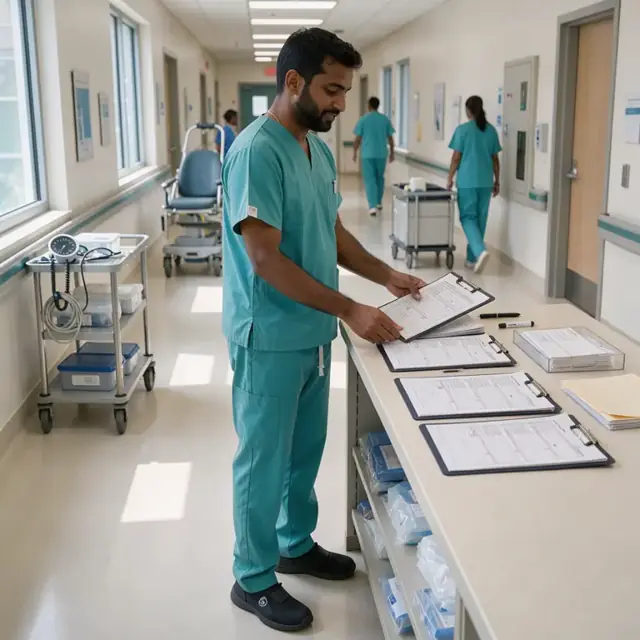
Compliance and Safety Coordinator
Maintain safety logs, track license and accreditation renewals and compile required quality reports for review.
Works in: Ambitious Tasks, Ambitious Sheets, Ambitious Docs · Workflows: Regulatory and safety documentation
Automates
- Compiles daily radiation dose and contrast reaction logs
- Tracks renewal dates for licenses and accreditations
- Assembles monthly quality metrics and training records
- Prepares draft renewal applications
- Organizes all logs and reports for review
Stops for a person
- The radiation safety officer or medical director reviews and signs every log and report
- Center staff confirm which state and accrediting rules apply
- A person files all official documents and handles inspections
Workflows
Referral and order intake
Starts when: A referring physician sends an imaging order by fax, portal, email or direct message
- Capture patient demographics, ordered modality, body part, clinical indication, allergies and implanted device status
- Check order against basic medical necessity indicators and flag for further review
- Draft a request for any missing diagnosis codes, prior imaging or clinical notes
- Create a master order task with all attached documents
- Send receipt confirmation to the referring office for approval
Watch for: Incomplete orders must be clarified before scheduling; Allergies and device information must be captured word for word
Patient scheduling and preparation
Starts when: Order is verified with complete information
- Match the exam to available scanner slot, required protocol and appropriate radiologist subspecialty
- Generate patient-specific prep instructions based on modality and contrast use
- Send appointment confirmation including arrival time, prep details, what to bring and estimated responsibility
- Record any authorization number once obtained
- Prioritize and slot urgent or stat cases into the schedule
Watch for: Scanner availability shifts with maintenance or emergency add-ons; Prep instructions vary by scanner type and contrast requirements
Daily scan operations and technologist workflow
Starts when: Start of each business day and as each patient arrives
- Generate the day's technologist checklist including patient order, protocol, safety questions and contrast needs
- Track patient arrival, completion of safety screening, IV start if required, scan start and end times
- Log contrast volume administered, any reactions and radiation dose
- Mark study complete, route images to the PACS system and update the daily schedule
- Document room cleaning and turnover between patients
Watch for: Pregnancy status and radiation dose must be recorded before every exam; Contrast reaction kits must be verified present each day
Radiologist reading and report workflow
Starts when: Imaging study is completed and available in the reading queue
- Route the study to the radiologist with matching subspecialty for the body part and protocol
- Track priority for stat, urgent and routine cases in the queue
- Populate a draft report template with measurements, prior study comparisons and key images
- Flag any critical findings for immediate notification
- Route the finalized signed report to the referring physician
Watch for: Critical results require immediate communication by the radiologist; Comparison with prior imaging must be noted when available
Contrast, supplies and equipment maintenance
Starts when: Daily for contrast and weekly for supplies and maintenance
- Project contrast and supply usage based on the day's scheduled exams
- Subtract current inventory and draft reorder lists by supplier
- List upcoming scanner maintenance, calibration and physicist survey dates
- Log completed preventive maintenance, quality control tests and radiation badge data
- Alert when any item nears minimum stock level
Watch for: Contrast agents require temperature-controlled storage and have limited shelf life; Regulatory testing intervals must be followed exactly
Insurance authorization and billing
Starts when: After order verification and after report finalization
- Prepare and submit pre-authorization requests with required clinical documentation
- Track authorization status and record approval details when received
- Generate charge ticket using modality-specific CPT and diagnosis codes
- Assemble claims for submission and flag any requiring additional documentation
- Organize supporting notes for any denials or appeals
Watch for: Certain modalities require prior authorization from many payers; Coding must match the exact protocol and body part imaged
Regulatory and safety documentation
Starts when: Daily for logs and on fixed calendar dates for renewals
- Compile daily radiation dose logs, contrast reaction reports and safety screenings
- Track license, accreditation and physicist survey due dates
- Assemble monthly quality metrics and personnel training records
- Prepare draft renewal applications with current equipment and staff information
- Maintain organized files of all logs for review
Watch for: Each state and accrediting organization has distinct documentation expectations that the center's staff confirm; All logs and reports are reviewed and signed by the radiation safety officer or medical director
Bot templates for this industry
- Diagnostic Imaging Centers (7 bots)
Source: U.S. Small Business Administration, Office of Size Standards, Table of Small Business Size Standards Matched to North American Industry Classification System Codes, version March 2023 (effective 2023-03-17, NAICS 2022). Size standards are shown for reference only.