

Community Food Services
Community food services collect, store and distribute donated and purchased food through pantries, mobile distributions and meal programs. Donations, client requests and inventory must be matched to household needs, dietary restrictions and distribution schedules. Specialists turn incoming donations and requests into inventory updates, build distribution day plans with perishables packed last, route mobile sites or delivery loads, track temperature and safety logs, and prompt volunteers for next shifts while the program manager confirms eligibility rules and local health requirements.
What makes this business different
- Handling of donated food with variable quality, quantities and expiration dates that must be inspected and logged on arrival
- Client intake with household size, dietary needs, allergies and eligibility verification that changes per distribution
- Perishable and non-perishable separation with strict first-in-first-out rotation and temperature monitoring
- Mobile or fixed-site distributions on set weekly or monthly schedules with advance signup caps
- USDA, state and local food-bank partnership reporting, temperature logs, sanitation records and grant paperwork
- Volunteer coordination for sorting, packing and distribution days with last-minute availability changes
- Repeat clients who receive regular boxes and special holiday or emergency distributions
Specialist bots
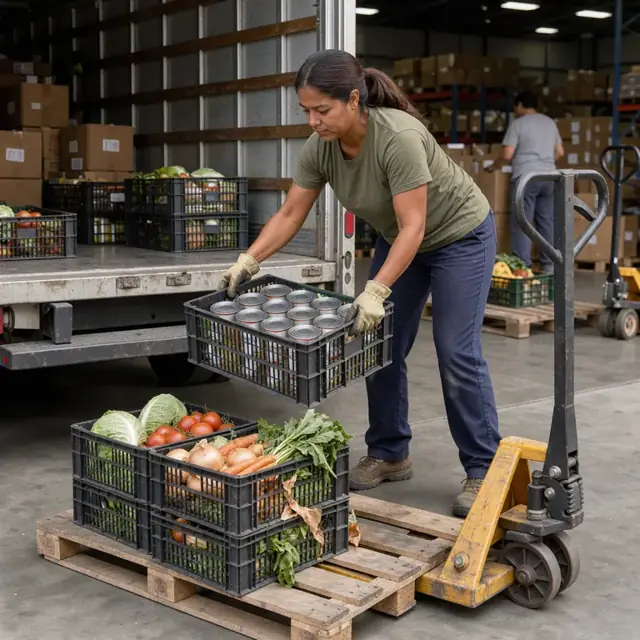
Donation Receiver
Log and inspect every incoming food donation and update inventory immediately.
Works in: Ambitious Tasks, Ambitious Sheets, Ambitious Docs · Workflows: Donation intake and inspection
Automates
- Reads donation notices and forms
- Creates inspection and logging tasks
- Assigns expiration and storage categories
- Drafts donor thank-you receipts
- Updates real-time inventory sheets
Stops for a person
- Program staff inspect questionable donations
- The manager approves large or unusual donor receipts
- A person decides on disposal of unusable food

Client Intake Specialist
Capture client needs and eligibility then add them to the correct distribution list.
Works in: Ambitious Tasks, Ambitious Docs, Email Buckets · Workflows: Client intake and eligibility
Automates
- Processes intake forms and messages
- Checks history and assigns distribution day
- Records dietary restrictions and household size
- Drafts confirmation messages
Stops for a person
- The program manager confirms eligibility each cycle
- Complex dietary or allergy cases are reviewed by staff
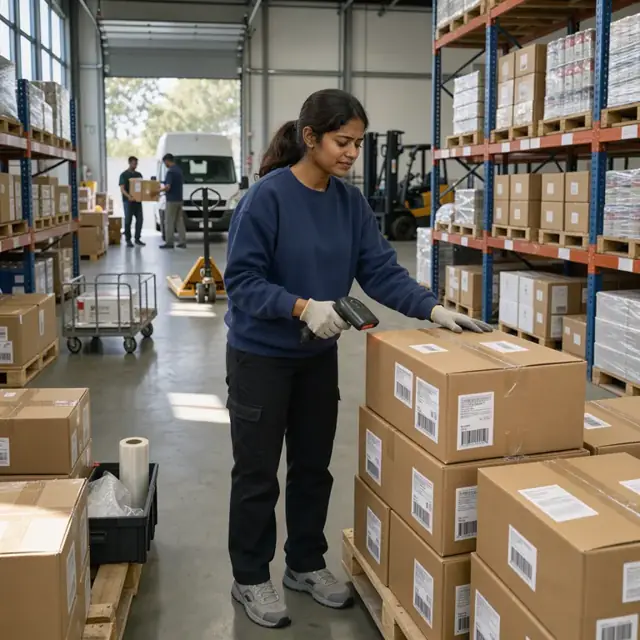
Inventory Tracker
Maintain accurate stock levels with rotation rules and generate reorder requests.
Works in: Ambitious Sheets, Ambitious Tasks, Process Optimizer · Workflows: Inventory rotation and ordering
Automates
- Applies first-in-first-out logic
- Calculates quantities needed for upcoming distributions
- Flags low stock and nearing-expiration items
- Prepares partner order requests
Stops for a person
- Staff physically count and verify high-value items
- The manager places all food orders and signs off on waste logs
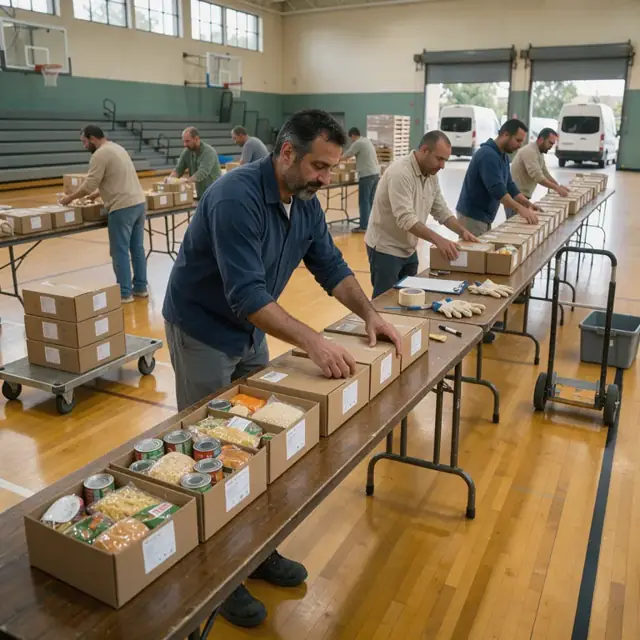
Distribution Planner
Build each distribution day's client-specific packing lists and volunteer schedule.
Works in: Ambitious Tasks, Ambitious Sheets, Process Optimizer · Workflows: Distribution day planning
Automates
- Groups clients by dietary needs and household size
- Creates per-client packing lists from current inventory
- Assigns volunteer roles and builds a timed agenda
- Calculates total food quantities required
Stops for a person
- Program manager reviews and adjusts client caps
- Final packing instructions are confirmed by staff before the event
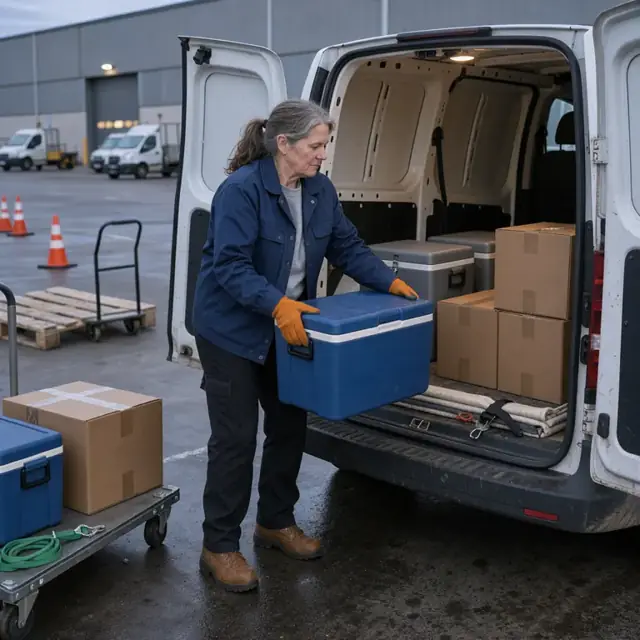
Mobile Route Dispatcher
Plan vehicle loads and mobile distribution routes while tracking real-time adjustments.
Works in: Ambitious Tasks, Ambitious Docs · Workflows: Mobile distribution routing
Automates
- Sequences stops by location and client volume
- Generates load order prioritizing cold items
- Creates volunteer check-in tasks
- Logs distribution outcomes and remaining stock
Stops for a person
- Drivers make final decisions on route changes due to weather or traffic
- All client-facing messages are approved before sending

Volunteer Coordinator
Schedule volunteers for shifts, send instructions and collect post-event feedback.
Works in: Ambitious Tasks, Email Buckets, Ambitious Docs · Workflows: Volunteer scheduling and follow-up
Automates
- Matches volunteers to needed roles
- Sends shift confirmations and reminders
- Tracks hours and training status
- Drafts recruitment messages for future events
Stops for a person
- The manager approves all messages sent to volunteers
- Staff verify background checks and training records

Compliance and Reporting Clerk
Maintain safety logs, compile distribution reports and track renewal deadlines.
Works in: Ambitious Docs, Ambitious Sheets, Ambitious Tasks · Workflows: Food safety and reporting paperwork
Automates
- Generates daily temperature and sanitation checklists
- Compiles monthly distribution and inventory reports
- Tracks license and partnership renewal dates
- Organizes records for required submissions
Stops for a person
- Program staff review and sign every log and report
- The manager confirms which local requirements apply each period
- People handle all submissions and inspections
Workflows
Donation intake and inspection
Starts when: A donor arrives with food, a scheduled pickup occurs or an online donation notice is received
- Log donor details, item types, quantities and condition
- Inspect for damage, pests or expiration and sort into usable categories
- Enter into inventory by storage type with expiration dates
- Create temperature log entry for cold or frozen items
- Draft thank-you receipt for the donor
Watch for: Perishables must be moved to refrigeration immediately; Unusable items are logged for waste tracking and disposal
Client intake and eligibility
Starts when: A new or returning client contacts the service by form, phone or in person
- Capture household size, dietary restrictions, allergies and special needs
- Check against current eligibility guidelines and prior visit history
- Assign a client ID and preferred distribution site or day
- Draft a confirmation with next available distribution date
- Add to the upcoming distribution list
Watch for: Dietary and allergy information must be captured exactly and never assumed; Eligibility rules are confirmed by the program manager each cycle
Inventory rotation and ordering
Starts when: Daily at close of business and before each distribution
- Scan incoming donations against current stock
- Apply first-in-first-out logic prioritizing items nearing expiration
- Generate a reorder or request list for staples and gaps
- Flag low-stock alerts for protein, produce and baby items
- Update sheets with waste, donations and distributions
Watch for: Temperature-sensitive items cannot exceed safe storage windows; Partner food bank orders must align with scheduled deliveries
Distribution day planning
Starts when: One week before each scheduled distribution
- Pull client list for the day and group by dietary needs
- Build packing lists that match household size and restrictions
- Calculate total quantities needed from inventory
- Assign volunteer roles for sorting, packing and loading
- Create a timed schedule for setup, distribution and cleanup
Watch for: Perishables are packed last and kept cold until handover; Special-diet boxes require separate clearly marked lines
Mobile distribution routing
Starts when: Morning of each mobile or delivery distribution day
- Load vehicles according to route order with cold items last
- Generate stop sequence with time windows and client counts
- Draft volunteer check-in messages and safety reminders
- Track actual distribution numbers and remaining stock
- Log any client no-shows or special notes
Watch for: Cold chain must be maintained with onboard refrigeration or ice; Routes adjust for traffic, weather or site access changes
Volunteer scheduling and follow-up
Starts when: Weekly and after each distribution
- Match upcoming shifts to available volunteers by role
- Send confirmations and role-specific instructions
- Collect post-shift feedback and hours logged
- Track repeat volunteers and training status
- Draft recruitment messages for new sorting or packing help
Watch for: Background checks or food-handler training status must be current; All volunteer communications require program manager approval before sending
Food safety and reporting paperwork
Starts when: Every distribution day and on monthly or grant deadlines
- Generate daily sanitation and temperature checklists
- Compile distribution numbers, client demographics and inventory movement
- Track renewal dates for licenses, insurance and partnership agreements
- Organize records for partner food bank reports
- Maintain allergen and safe-handling posters current
Watch for: Local health department rules vary by site and must be confirmed; All logs and reports are reviewed and signed by program staff
Bot templates for this industry
- Community Food Services (7 bots)
Source: U.S. Small Business Administration, Office of Size Standards, Table of Small Business Size Standards Matched to North American Industry Classification System Codes, version March 2023 (effective 2023-03-17, NAICS 2022). Size standards are shown for reference only.